

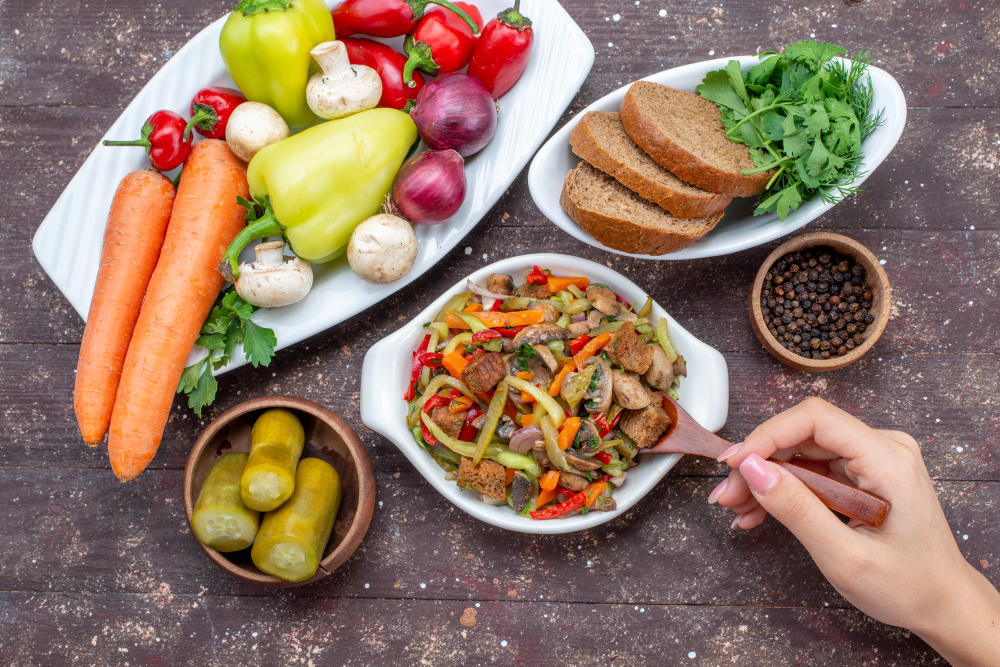

The memory is still vivid: my grandmother, a formidable woman who always said a pinch of salt made everything better, grappling with a new high blood pressure diagnosis. Her doctor’s stern advice? Drastically cut down on sodium. For a woman whose culinary legacy was built on seasoning, this felt like a betrayal of her heritage. It sparked a quest in our family, and for me personally, to discover that low sodium recipes for high blood pressure don’t have to be bland or boring. In fact, they can be vibrant, deeply satisfying, and genuinely delicious, proving that health and flavor can absolutely coexist on the same plate. It’s a journey I’ve since dedicated myself to exploring, helping countless others navigate this crucial dietary shift.
Understanding Sodium’s Impact on Blood Pressure
Many of us grew up believing salt was simply a flavor enhancer, an innocuous white crystal that brightened dishes. However, for a significant portion of the population, particularly those predisposed to hypertension, sodium is a silent culprit. When you consume too much sodium, your body retains extra water to dilute it. This increases both the fluid around your cells and the volume of blood in your bloodstream, forcing your heart to work harder and putting greater pressure on your blood vessels. Over time, this sustained pressure can damage arteries, leading to serious health issues beyond just high blood pressure, including heart disease and stroke.
- The Guide to Swapping Refined Carbs for High-Fiber Alternatives for Better Energy
- 7 Best Nutrient-Dense Smoothie Recipes for Sustained Midday Energy
- The Guide to Incorporating Fermented Foods for Optimal Gut Health
- Balanced Macro Meal Prep: Easy Recipes for Clean Eating Beginners
- Gut-Friendly Probiotic Recipes: Homemade Solutions for Better Digestion
The good news is that reducing sodium intake is one of the most effective, immediate, and often underestimated strategies for managing high blood pressure. It’s not about eliminating every trace of salt, which is practically impossible and unnecessary, but rather about being mindful of your intake and making deliberate choices. This shift can often lead to noticeable improvements in blood pressure readings within weeks, and certainly by 2026, a sustained low-sodium approach will be widely recognized as a cornerstone of cardiovascular health. It’s about retraining your palate and embracing a world of flavor that doesn’t rely on a heavy hand with the salt shaker.
Beyond the Salt Shaker: Hidden Sodium Sources
When most people think of reducing sodium, they immediately picture putting away the salt shaker. While that’s a good first step, it barely scratches the surface of the problem. A staggering 70% or more of the sodium we consume comes from processed and restaurant foods, not from what we add at the table or during cooking. Think about it: canned soups, frozen meals, deli meats, cheeses, breads, condiments like ketchup and soy sauce, and even seemingly innocent items like salad dressings and breakfast cereals are often loaded with sodium. This hidden sodium is the true challenge for anyone trying to manage high blood pressure through diet.
Becoming a savvy label reader is paramount. Look for terms like “sodium-free,” “very low sodium,” “low sodium,” or “reduced sodium.” Pay close attention to the milligrams (mg) per serving; ideally, aim for foods with 140 mg or less of sodium per serving. Don’t be fooled by “sea salt” or “Himalayan pink salt” – they are still sodium chloride and have virtually the same effect on blood pressure as regular table salt. The key is to shift your diet towards fresh, unprocessed ingredients, giving you complete control over what goes into your meals and making it easier to create truly low sodium recipes for high blood pressure.
Flavor Without the Salt: Culinary Strategies
The biggest fear people express when starting a low-sodium diet is that their food will taste bland. This couldn’t be further from the truth! It’s a common misconception, but a low-sodium diet is an invitation to explore a vibrant spectrum of flavors you might have overlooked. The secret lies in understanding how to build depth and excitement using natural ingredients. Think about the bright tang of citrus (lemon, lime, orange zest), the pungent kick of garlic and onions, the warmth of ginger, the sweetness of roasted vegetables, and the rich umami of mushrooms or sun-dried tomatoes. These elements can transform a dish, making salt almost an afterthought.
Embrace fresh herbs like cilantro, parsley, basil, dill, and mint, which offer refreshing bursts of flavor. Dried herbs such as oregano, thyme, rosemary, and sage provide a more concentrated, earthy punch. Spices, from cumin and coriander to paprika and chili powder, open up a world of global cuisines. Vinegars (balsamic, apple cider, red wine) add a crucial acidic balance that mimics the way salt enhances flavor. Don’t be afraid to experiment with different combinations; you’ll be surprised at how quickly your palate adapts and begins to appreciate these nuanced tastes, making healthy eating a truly enjoyable experience.
Mastering Herb and Spice Blends
Creating your own no-salt herb and spice blends is a game-changer. Instead of relying on store-bought mixes often laden with sodium, you can tailor your seasonings to your exact preferences. For example, a Mediterranean blend might include dried oregano, thyme, marjoram, garlic powder, and a touch of black pepper. An Indian-inspired blend could feature cumin, coriander, turmeric, ginger powder, and a pinch of cayenne. A Mexican blend might combine chili powder, smoked paprika, cumin, and onion powder. Store these in airtight containers, and they’ll be ready to transform simple ingredients into extraordinary low sodium recipes for high blood pressure.
Essential Low-Sodium Kitchen Staples
Stocking your pantry and refrigerator with the right ingredients is half the battle when preparing delicious low sodium recipes for high blood pressure. Think fresh and whole foods as your foundation. Always have a good variety of fresh vegetables on hand – leafy greens, bell peppers, onions, carrots, broccoli, and sweet potatoes are versatile and packed with nutrients. For fruits, apples, berries, bananas, and citrus are excellent choices. Lean proteins like chicken breast, turkey, fish, and eggs are naturally low in sodium. Legumes such as dried beans and lentils are fantastic, but if using canned, opt for “no-salt-added” versions and rinse them thoroughly to remove residual sodium.
Beyond the fresh produce, ensure you have a robust collection of herbs and spices, both fresh and dried. Keep a variety of vinegars and healthy oils (olive oil, avocado oil). Whole grains like brown rice, quinoa, and oats are excellent low-sodium bases for meals. And don’t forget low-sodium broths or homemade stock, which are invaluable for soups, stews, and sauces. With these staples, you’ll find it incredibly easy to whip up quick, flavorful, and heart-healthy meals without reaching for the salt shaker, making your commitment to a healthier lifestyle in 2026 much more achievable.
Sample Low-Sodium Meal Ideas & Prep
Embracing low-sodium cooking doesn’t mean spending hours in the kitchen. With a little planning, you can enjoy fantastic meals every day. For breakfast, consider overnight oats made with unsweetened almond milk, topped with fresh berries, sliced almonds, and a sprinkle of cinnamon. Another option is a scramble of eggs with sautéed bell peppers, spinach, and mushrooms, seasoned with garlic powder and black pepper. Ditch the processed breakfast meats and instead opt for a lean protein source like a small piece of grilled chicken or a handful of unsalted nuts for sustained energy without the sodium overload.
Lunch can be a vibrant salad with mixed greens, grilled chicken or chickpeas, cucumber, tomatoes, and a homemade vinaigrette (olive oil, apple cider vinegar, Dijon mustard, and herbs). Or try a hearty lentil soup made with low-sodium broth and plenty of vegetables, seasoned with cumin and coriander. For dinner, a baked salmon fillet seasoned with lemon and dill, served alongside roasted asparagus and quinoa, is a quick and elegant option. Another favorite is a chicken stir-fry packed with colorful vegetables, a low-sodium soy sauce alternative, and fresh ginger, proving that low sodium recipes for high blood pressure are anything but dull.
Key Takeaways
- Hidden Sodium is the Main Culprit: Over 70% of dietary sodium comes from processed and restaurant foods, not the salt shaker. Prioritize fresh, whole ingredients and become a meticulous label reader to identify and avoid high-sodium items.
- Flavor Without Salt is Achievable: Embrace a diverse palette of herbs, spices, citrus, vinegars, garlic, and onions to build deep, satisfying flavors. Experiment with homemade spice blends to customize your culinary experience and avoid sodium-laden commercial mixes.
- Strategic Pantry Stocking is Essential: Keep your kitchen stocked with fresh vegetables, fruits, lean proteins, dried beans, whole grains, low-sodium broths, and an array of herbs and spices. This foundation empowers you to create healthy meals effortlessly.
- Small Changes Yield Big Results: Gradual reduction in sodium intake can lead to significant improvements in blood pressure. Focus on sustainable dietary shifts rather than drastic, temporary changes, making low-sodium eating a lifelong, enjoyable habit.
Frequently Asked Questions
Is all salt bad for high blood pressure?
While the sodium in all types of salt (table salt, sea salt, Himalayan pink salt) contributes to high blood pressure, the primary concern is excessive sodium intake from any source. Natural sodium found in whole foods is generally not an issue, but added salt and the hidden sodium in processed foods are the main culprits. The goal is to reduce overall sodium, not to eliminate natural dietary sodium entirely.
How quickly can I see results from a low-sodium diet?
Many individuals report seeing a noticeable difference in their blood pressure readings within a few weeks of significantly reducing their sodium intake. For some, the effects can be even quicker. Consistency is key, and while individual results vary, a sustained low-sodium diet by 2026 can lead to long-term improvements in blood pressure management and overall cardiovascular health.
What if my family doesn’t want to eat low sodium?
This is a common challenge. One strategy is to cook meals low in sodium but offer salt at the table for those who desire it. Often, family members will naturally adjust to less salty food over time. Another approach is to prepare components separately, such as seasoning individual portions of protein or adding salt to pasta water only for those who prefer it. Gradually introducing flavorful, low-sodium dishes can also help everyone adapt.
Are low-sodium processed foods truly healthy?
While “low-sodium” processed foods are a better choice than their high-sodium counterparts, they are not always inherently healthy. They may still contain unhealthy fats, added sugars, or artificial ingredients. It’s crucial to read the entire nutrition label and ingredient list. Prioritizing fresh, whole, unprocessed foods remains the gold standard for a heart-healthy diet, even when seeking low sodium options.
Conclusion
Embracing a low-sodium lifestyle for high blood pressure isn’t about deprivation; it’s about liberation – freedom from the hidden dangers of excessive salt and the joy of discovering truly delicious, wholesome food. It’s a journey that requires mindfulness, a willingness to experiment, and a commitment to your long-term health. By focusing on fresh ingredients, mastering herbs and spices, and understanding where sodium hides, you can transform your plate and significantly impact your well-being. Here’s to a future where healthy eating is synonymous with incredible flavor, paving the way for a vibrant and active life in 2026 and beyond.