

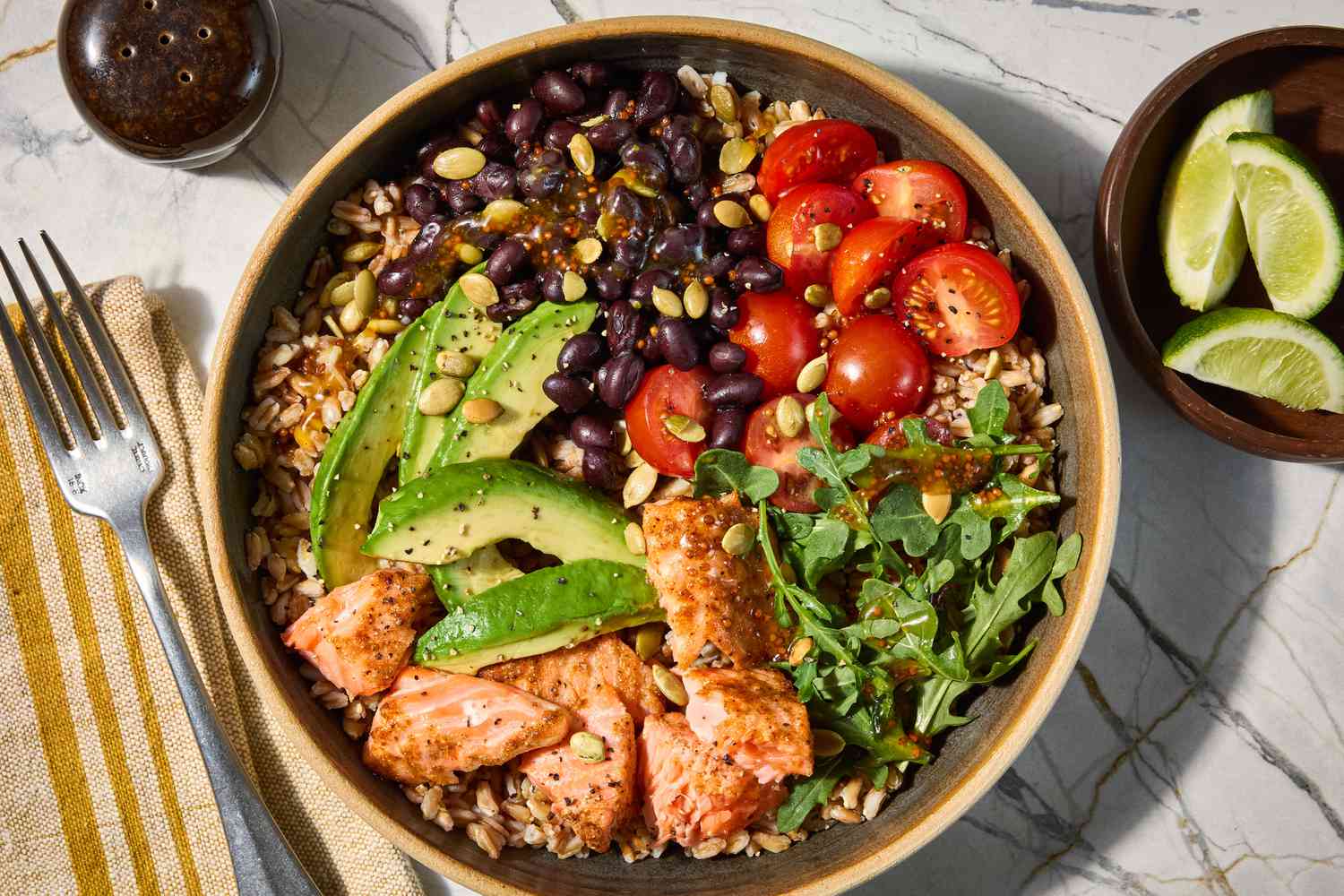

Mastering the art of building versatile, customizable vegetarian grain bowls is the ultimate strategy for efficient, nutrient-dense meal prep in 2026. These bowls serve as a foundational culinary framework, allowing home cooks to transform humble pantry staples into sophisticated, flavorful meals that cater to diverse dietary preferences and seasonal availability. By understanding the structural balance between complex carbohydrates, plant-based proteins, colorful vegetables, and textural fats, you can eliminate decision fatigue while ensuring your nutritional needs are met. Whether you are a busy professional seeking quick lunch solutions or a culinary enthusiast experimenting with global flavor profiles, this guide provides the expert methodology required to construct professional-grade grain bowls. We will explore how to harmonize textures and flavors to ensure every bite is as satisfying as it is healthy.
The Foundation of Perfect Grains
The success of any grain bowl begins with the proper preparation of your base, which provides the chewy, nutty foundation for your toppings. In 2026, the focus has shifted toward ancient grains that offer superior fiber content and unique flavor profiles compared to standard white rice. Quinoa remains a powerhouse due to its complete protein profile, while farro and barley provide a satisfying, toothsome texture that holds up well under heavy dressings. For those seeking gluten-free alternatives, millet or black forbidden rice offer vibrant colors and distinct earthy notes. The secret to professional-grade grains lies in seasoning the cooking water with aromatics like bay leaves, garlic cloves, or vegetable bouillon, ensuring the base is flavorful rather than bland.
Cooking your grains in large batches is a cornerstone of efficient meal planning, but proper cooling is essential to prevent mushiness. After cooking, spread your grains on a baking sheet to cool completely before transferring them to airtight containers. This prevents excess steam from trapped moisture, which can degrade the quality of your base over several days. When reheating, a quick splash of water or broth in the pan or microwave will restore the desired texture without compromising the integrity of the grain. By treating your base as a blank canvas rather than an afterthought, you establish a high-quality platform that elevates every other ingredient added to the bowl.
Selecting High-Quality Proteins
Integrating diverse plant-based proteins is critical for creating a balanced vegetarian meal that maintains satiety throughout the day. In 2026, the market for artisanal tofu, tempeh, and legume-based products has expanded significantly, offering more variety for the discerning cook. Crispy pan-seared tofu, marinated in tamari and ginger, provides a savory punch, while roasted chickpeas or spiced lentils offer a earthy crunch. For a more traditional approach, incorporating fermented soy products like miso-glazed tempeh introduces probiotic benefits alongside deep umami notes. These proteins should be seasoned aggressively, as their natural flavors are relatively mild and benefit from the addition of spices, citrus zests, or fresh herbs during the cooking process.
Optimal Protein Preparation Methods
To achieve the best results, consider the physical texture of your protein relative to your chosen grain. For bowls with soft grains like quinoa, opt for proteins that offer a significant crunch, such as air-fried edamame or roasted spiced almonds. Conversely, if your base is a hearty, chewy grain like farro, softer proteins like silken tofu or slow-cooked black beans provide a pleasant contrast. Always ensure your proteins are prepared to be “bowl-ready,” meaning they are cut into uniform, bite-sized pieces that allow for a perfect ratio of ingredients in every forkful. This deliberate approach to protein selection ensures that your vegetarian grain bowls are not just nutritionally sound, but also a complex, enjoyable sensory experience.
Vegetables and Seasonal Variety
Incorporating a wide array of vegetables is the most effective way to ensure your grain bowls remain fresh and exciting throughout the changing seasons of 2026. Professional chefs often utilize the “three-way” vegetable rule: include something raw for crunch, something roasted for sweetness, and something pickled for acidity. Raw ingredients like thinly sliced radishes, shredded carrots, or cucumber ribbons provide a cooling element that balances heavier components. Roasted root vegetables, such as sweet potatoes, beets, or parsnips, bring out natural sugars through caramelization, adding a rich depth to the overall flavor profile of the bowl. Do not overlook the power of quick-pickled onions or cabbage, which provide a bright, acidic counterpoint to richer ingredients like avocado or tahini-based dressings.
The visual appeal of your bowl is directly tied to the variety of colors present, which often correlates with a diverse range of phytonutrients. Aim to include at least three different colors in every bowl to ensure you are consuming a wide spectrum of vitamins and minerals. In the height of summer, lean toward tomatoes, bell peppers, and fresh corn, while the cooler months of 2026 call for hearty greens like kale, roasted brussels sprouts, and cauliflower. By following the natural calendar of produce, you not only ensure better flavor but also support sustainable agricultural practices. This seasonal adaptability prevents meal fatigue and keeps your home kitchen aligned with the rhythmic diversity of fresh, local vegetation.
The Art of Finishing Touches
Finishing touches are the final layer of your grain bowl construction and are often what differentiate a homemade meal from a professional restaurant dish. This layer typically consists of healthy fats, fresh herbs, and a final textural garnish. Fats, such as avocado slices, toasted seeds, or a drizzle of high-quality extra virgin olive oil, act as a bridge between the various components, creating a cohesive mouthfeel. Fresh herbs like cilantro, parsley, mint, or basil provide a burst of aromatic brightness that cuts through the starchiness of the grains. Finally, a sprinkle of toasted sunflower seeds, hemp hearts, or crushed nuts provides a necessary crunch that keeps the eating experience dynamic and engaging from the first bite to the last.
The dressing is arguably the most important element of the final assembly, serving as the unifying factor for all ingredients in the bowl. A well-balanced dressing should harmonize the earthiness of the grains, the sweetness of the vegetables, and the savoriness of the protein. In 2026, the trend has moved toward creamy tahini-lemon emulsifications, vibrant green herb-based vinaigrettes, and spicy chili-garlic oils. Always dress your greens separately before adding them to the bowl to prevent wilting, or serve the dressing on the side if you are prepping for multiple days. By mastering the balance of salt, acid, and fat in your dressings, you can dramatically alter the theme of your grain bowl with minimal effort.
Reddit & Expert Community Consensus
Many users on r/MealPrepSunday emphasize that the key to avoiding soggy grain bowls is keeping the dressing separate until the absolute last second. One top-rated contributor notes, “I focus on the ‘texture bridge’—if my base is soft, I need a crunchy element like pepitas or toasted walnuts to keep the bowl from feeling like mush. The experts agree that storing components in separate glass containers and assembling them fresh each morning is the secret to a bowl that tastes just as good on Friday as it did on Monday.” Another expert nutritionist suggests, “Prioritize a mix of cruciferous vegetables to maximize fiber intake, which is essential for maintaining consistent energy levels throughout the work week.”
Cost & Pricing Breakdown
| Component Category | Budget Tier | Premium Tier |
|---|---|---|
| Grains | Bulk brown rice or oats | Organic quinoa or farro |
| Proteins | Dried beans or lentils | Artisanal tofu or tempeh |
| Produce | Seasonal root vegetables | Microgreens or avocados |
| Dressings | Homemade vinegar blends | Cold-pressed oils or tahini |
| Toppings | Sunflower seeds or peanuts | Toasted pine nuts or hemp |
Managing costs for versatile, customizable vegetarian grain bowls in 2026 is highly achievable by leveraging bulk purchasing and seasonal availability. By focusing on pantry staples like dried legumes and bulk grains, you can maintain a very low cost per serving, often under two dollars. Investing in higher-quality ingredients like specialized nut oils, organic produce, or artisanal tofu will naturally increase the price per bowl, but these additions offer significant returns in terms of flavor and nutritional density. The best strategy is to balance your weekly shopping by mixing inexpensive staples with one or two premium items. This approach ensures your meals remain both budget-friendly and sophisticated without requiring a significant increase in your weekly grocery expenditure.
Frequently Asked Questions
How long can I store assembled grain bowls in the fridge?
Generally, you can store assembled components for up to four days in the refrigerator. To ensure maximum freshness, keep your dressings separate and add crunchy toppings only when you are ready to eat.
Are grain bowls suitable for low-carb diets?
Yes, you can easily adapt the grain bowl concept by replacing traditional grains with cauliflower rice, zoodles, or a base of hearty, fibrous greens like kale or Swiss chard.
What is the best way to keep avocado fresh in a bowl?
To prevent oxidation, toss avocado slices in a small amount of lime or lemon juice before adding them to your bowl. Alternatively, keep the avocado whole and slice it fresh just before consuming.
Can I serve grain bowls warm and cold?
Absolutely, grain bowls are incredibly versatile. Many people prefer a warm grain base topped with cool, crisp vegetables and a room-temperature dressing, creating a pleasant contrast in temperatures.
How do I prevent my greens from wilting?
The best method is to keep your greens in a separate container and mix them into the grain bowl right before serving. If you must pre-mix, use a sturdier green like kale, which holds up much longer than delicate lettuces.
Conclusion
Building versatile, customizable vegetarian grain bowls is a foundational skill that empowers you to take full control of your nutritional intake in 2026. By systematically layering textures, flavors, and high-quality ingredients, you create a sustainable meal prep system that is as enjoyable as it is convenient. Whether you are experimenting with global spices or simply cleaning out the crisper drawer, these bowls offer endless opportunities for culinary creativity. Embrace the process of mixing and matching your favorite components, and you will find that a well-constructed bowl is the perfect solution for a busy, health-conscious lifestyle. Start your journey today and experience the satisfaction of a perfectly balanced, homemade meal.