

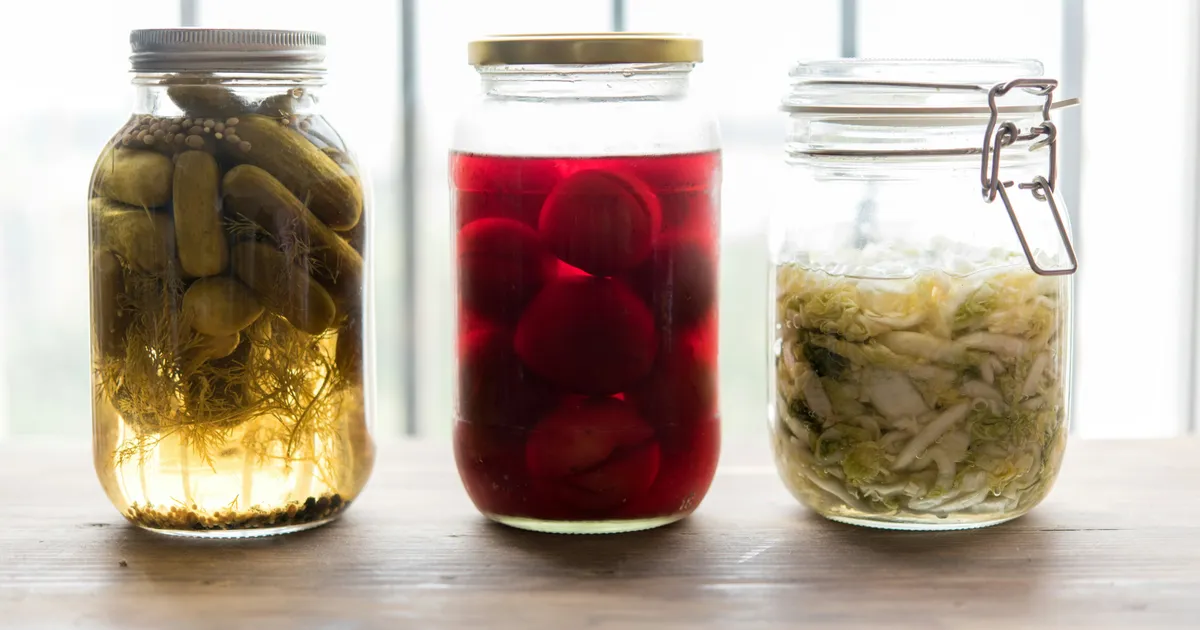

Maintaining a healthy gut is vital for overall well-being, and incorporating probiotic-rich foods into the daily diet can significantly enhance digestive health. Probiotics, live microorganisms that confer health benefits, play a key role in balancing gut flora. Fermented foods are a natural source of these beneficial bacteria, and creating homemade versions allows for control over ingredients and probiotic strains. This exploration delves into simple and effective homemade recipes teeming with probiotics, designed to improve digestion and overall health in 2026. These recipes provide practical ways to integrate gut-friendly options into your routine, promoting a healthier and more balanced digestive system.
Understanding the Importance of Gut Health
The gut microbiome, a complex community of microorganisms residing in the digestive tract, influences numerous aspects of health, including immunity, nutrient absorption, and mental well-being. A balanced gut microbiome supports efficient digestion, reduces inflammation, and strengthens the body’s defense against pathogens. Incorporating probiotic-rich foods helps to diversify and enrich this microbial community, leading to improved gut health and enhanced overall wellness. Scientific studies, such as those published in the Journal of Clinical Gastroenterology, underscore the importance of maintaining a diverse gut flora for optimal health.
- The Guide to Swapping Refined Carbs for High-Fiber Alternatives for Better Energy
- 7 Best Nutrient-Dense Smoothie Recipes for Sustained Midday Energy
- The Guide to Incorporating Fermented Foods for Optimal Gut Health
- Balanced Macro Meal Prep: Easy Recipes for Clean Eating Beginners
- Anti-Inflammatory Meal Prep for Beginners: Daily Recipes for Natural Healing
An imbalance in the gut microbiome, often caused by factors such as poor diet, stress, and antibiotic use, can lead to digestive issues like bloating, gas, and irritable bowel syndrome (IBS). Addressing this imbalance through dietary interventions, particularly the regular consumption of probiotic-rich foods, can help restore microbial balance and alleviate these symptoms. Home-prepared probiotic foods offer a cost-effective and customizable way to support gut health, ensuring a steady supply of beneficial bacteria. For further insights on the gut microbiome, resources from the National Institutes of Health provide valuable information.
Homemade Yogurt: A Probiotic Powerhouse

Yogurt is a well-known source of probiotics and can be easily made at home. The process involves fermenting milk with specific strains of bacteria, such as Lactobacillus and Streptococcus thermophilus. Homemade yogurt allows for control over the ingredients, avoiding added sugars and artificial flavors found in many commercial varieties. Consuming yogurt regularly can improve digestion, enhance nutrient absorption, and boost the immune system. Numerous studies have highlighted yogurt’s benefits, including its role in managing lactose intolerance and reducing the risk of certain infections.
To make yogurt at home, heat milk to 180°F (82°C) to kill any undesirable bacteria, then cool it down to 110°F (43°C). Add a yogurt starter culture or a few tablespoons of plain yogurt containing live and active cultures. Maintain this temperature for several hours using a yogurt maker, an insulated container, or an oven with a pilot light. The fermentation process typically takes 6-8 hours, after which the yogurt can be refrigerated. A detailed guide on yogurt making can be found on reputable food blogs and culinary websites.
Kefir: A Versatile Probiotic Drink
Kefir is a fermented milk drink similar to yogurt but with a thinner consistency and a more tart flavor. It is made using kefir grains, which are a symbiotic culture of bacteria and yeasts. Kefir contains a wider range of probiotic strains than yogurt, making it an excellent choice for diversifying the gut microbiome. Regular consumption of kefir can improve digestion, boost immunity, and even enhance bone health. Research published in the Journal of the American College of Nutrition supports kefir’s health benefits.
Preparing kefir involves adding kefir grains to milk and allowing it to ferment at room temperature for 24 hours. The grains are then strained out and can be reused to make another batch. Kefir can also be made with water instead of milk, resulting in a non-dairy probiotic beverage. Flavoring options include adding fruits, honey, or vanilla extract after fermentation. Health resources like the Mayo Clinic offer insights into the nutritional benefits and preparation methods of kefir.
Water Kefir Recipe
Water kefir is a refreshing and probiotic-rich alternative for those avoiding dairy. It’s made by fermenting sugar water with water kefir grains, resulting in a slightly sweet and bubbly drink. The fermentation process consumes the sugar, leaving behind beneficial bacteria and acids that support gut health. Water kefir can be flavored with fruits, herbs, or natural juice concentrates to create a variety of delicious and healthy beverages, perfect for enhancing digestion in 2026.
To make water kefir, dissolve sugar in water and add water kefir grains. Let the mixture ferment at room temperature for 24-48 hours. Strain the grains and flavor the kefir if desired. Experiment with different fruits or herbs to create unique and delicious variations. The water kefir grains can be reused indefinitely, making it a sustainable and cost-effective way to enjoy probiotic benefits. Additional tips and recipes are available in various online health and wellness publications.
Sauerkraut: Fermented Cabbage Delight
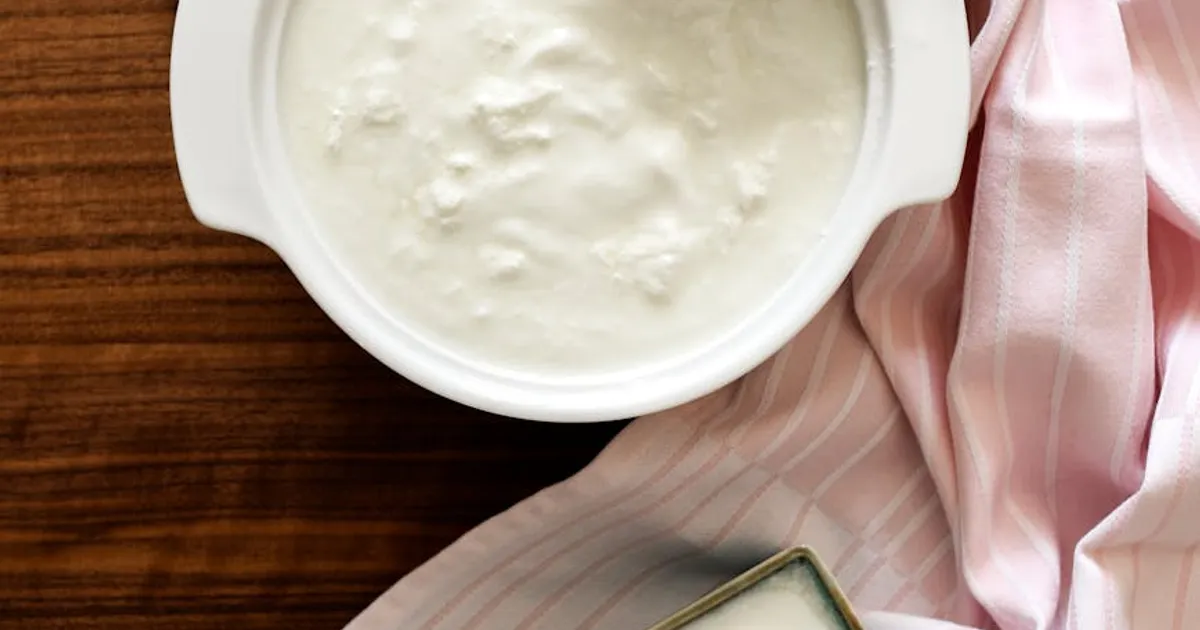
Sauerkraut is fermented cabbage, a traditional food known for its probiotic content and tangy flavor. The fermentation process involves lactic acid bacteria, which convert the sugars in cabbage into lactic acid, preserving the vegetable and creating a probiotic-rich environment. Homemade sauerkraut is a simple and affordable way to add probiotics to the diet, supporting gut health and boosting the immune system. Studies have shown that sauerkraut consumption can improve digestion and reduce inflammation.
To make sauerkraut, shred cabbage and massage it with salt to draw out the juices. Pack the cabbage tightly into a jar, ensuring it is submerged in its own brine. Ferment at room temperature for 1-4 weeks, depending on desired sourness, burping the jar daily to release gases. Once fermented, store in the refrigerator. Various resources, including fermentation blogs and culinary websites, offer detailed instructions and tips for making perfect sauerkraut.
Kimchi: A Spicy Probiotic Boost
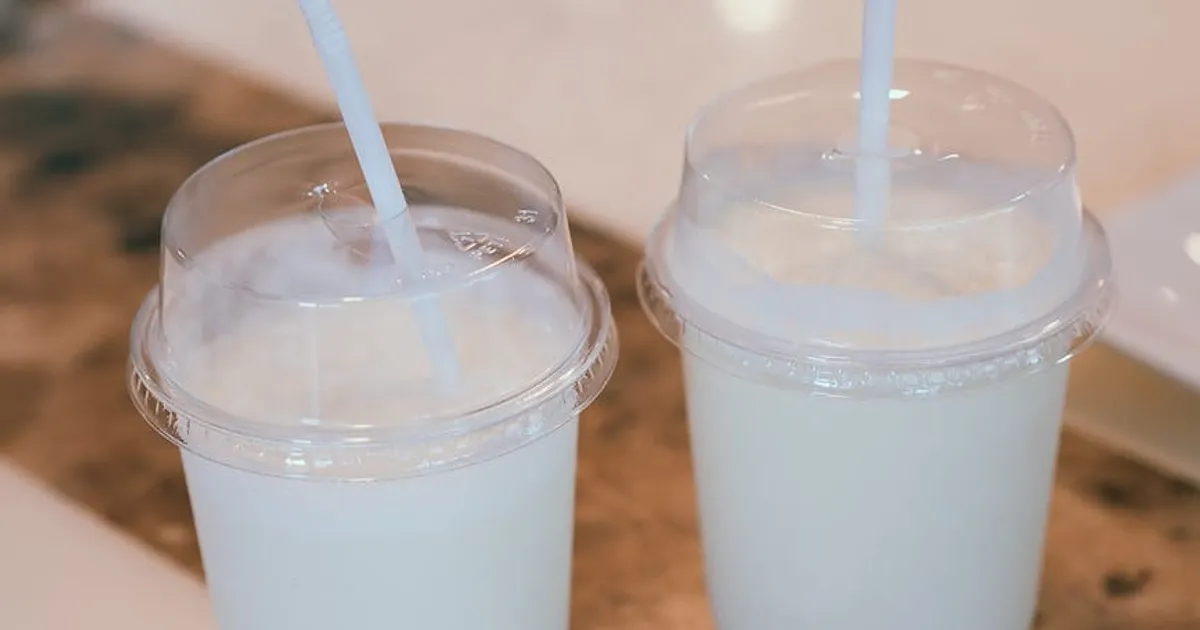
Kimchi is a traditional Korean fermented dish made from vegetables, primarily cabbage and Korean radish, along with various seasonings. The fermentation process results in a complex flavor profile and a wealth of probiotics, including Lactobacillus kimchi. Kimchi is known for its health benefits, including improved digestion, enhanced immunity, and potential anti-cancer properties. Research published in Food Science and Biotechnology highlights the probiotic potential of different kimchi varieties.
Making kimchi involves preparing a paste of garlic, ginger, chili powder, fish sauce, and other seasonings. This paste is then mixed with salted and rinsed vegetables, such as cabbage and radish. The mixture is packed into a jar and allowed to ferment at room temperature for a few days before being refrigerated. Adjusting the fermentation time and ingredients allows for customization of flavor and spiciness. Numerous Korean cooking websites and online culinary resources provide detailed kimchi recipes.
Kombucha: The Fermented Tea Sensation
Kombucha is a fermented tea beverage made by adding a symbiotic culture of bacteria and yeast (SCOBY) to sweetened tea. The fermentation process results in a slightly acidic, effervescent drink rich in probiotics and antioxidants. Kombucha has gained popularity for its purported health benefits, including improved digestion, detoxification, and energy enhancement. While more research is needed, anecdotal evidence and preliminary studies suggest kombucha’s potential health-promoting effects.
To brew kombucha, start with sweetened tea and add a SCOBY along with a starter liquid from a previous batch. Ferment at room temperature for 7-30 days, depending on desired tartness. Once fermented, the kombucha can be flavored with fruits, herbs, or juices. It’s important to follow safe brewing practices to avoid contamination. Many online resources and kombucha-specific websites provide detailed brewing instructions and safety guidelines. As we move further into 2026, kombucha remains a popular choice for gut health.
Comparison of Homemade Probiotic Foods
| Food | Probiotic Strains | Ease of Preparation | Flavor Profile | Health Benefits |
|---|---|---|---|---|
| Yogurt | Lactobacillus, Streptococcus thermophilus | Moderate | Creamy, Tangy | Improved digestion, enhanced nutrient absorption |
| Kefir | Various bacteria and yeasts | Easy | Tart, Effervescent | Diverse probiotics, boosted immunity |
| Sauerkraut | Lactic acid bacteria | Easy | Tangy, Sour | Improved digestion, reduced inflammation |
| Kimchi | Lactobacillus kimchi | Moderate | Spicy, Tangy | Enhanced immunity, potential anti-cancer properties |
| Kombucha | Various bacteria and yeasts | Moderate | Tart, Effervescent | Improved digestion, detoxification |
Key Takeaways
- Probiotic-rich foods support a healthy gut microbiome, vital for overall health.
- Homemade yogurt and kefir are excellent sources of beneficial bacteria.
- Fermented vegetables like sauerkraut and kimchi improve digestion and immunity.
- Kombucha offers a refreshing and probiotic-packed alternative beverage.
- Controlling ingredients in homemade recipes ensures purity and avoids additives.
- Incorporating diverse probiotic foods enhances gut microbiome diversity.
Frequently Asked Questions
What are probiotics and why are they important?
Probiotics are live microorganisms that, when administered in adequate amounts, confer a health benefit on the host. They are important because they help to maintain a balanced gut microbiome, which supports digestion, immunity, and overall health.
How often should I consume probiotic-rich foods?
The frequency of consumption depends on individual needs and tolerance. However, incorporating probiotic-rich foods into your diet several times a week can provide significant benefits. Start with small amounts and gradually increase as tolerated.
Are there any risks associated with consuming homemade fermented foods?
While homemade fermented foods are generally safe, it’s crucial to follow proper hygiene and fermentation techniques to prevent contamination. Using clean equipment and monitoring the fermentation process can minimize risks. Discard any batches that show signs of mold or unusual odors.
Can I take probiotic supplements instead of eating probiotic-rich foods?
Probiotic supplements can be a convenient way to increase your probiotic intake. However, fermented foods offer a wider variety of probiotic strains and additional nutrients. Incorporating both supplements and probiotic-rich foods can provide a comprehensive approach to gut health.
How do I store homemade probiotic foods?
Homemade probiotic foods should be stored in the refrigerator to slow down fermentation and maintain their quality. Properly stored, these foods can last for several weeks to months, depending on the type of food and fermentation process.
Conclusion
Incorporating gut-friendly probiotic-rich homemade recipes into your daily routine is a proactive step towards better digestion and overall well-being. From creamy homemade yogurt to tangy sauerkraut and refreshing kombucha, these recipes offer diverse and delicious ways to nourish your gut microbiome. By taking control of ingredients and preparation methods, you can ensure the purity and potency of these probiotic sources. As we look ahead to 2026, embracing these time-tested methods remains a powerful way to enhance your health and vitality through the simple act of preparing and enjoying these beneficial foods.