

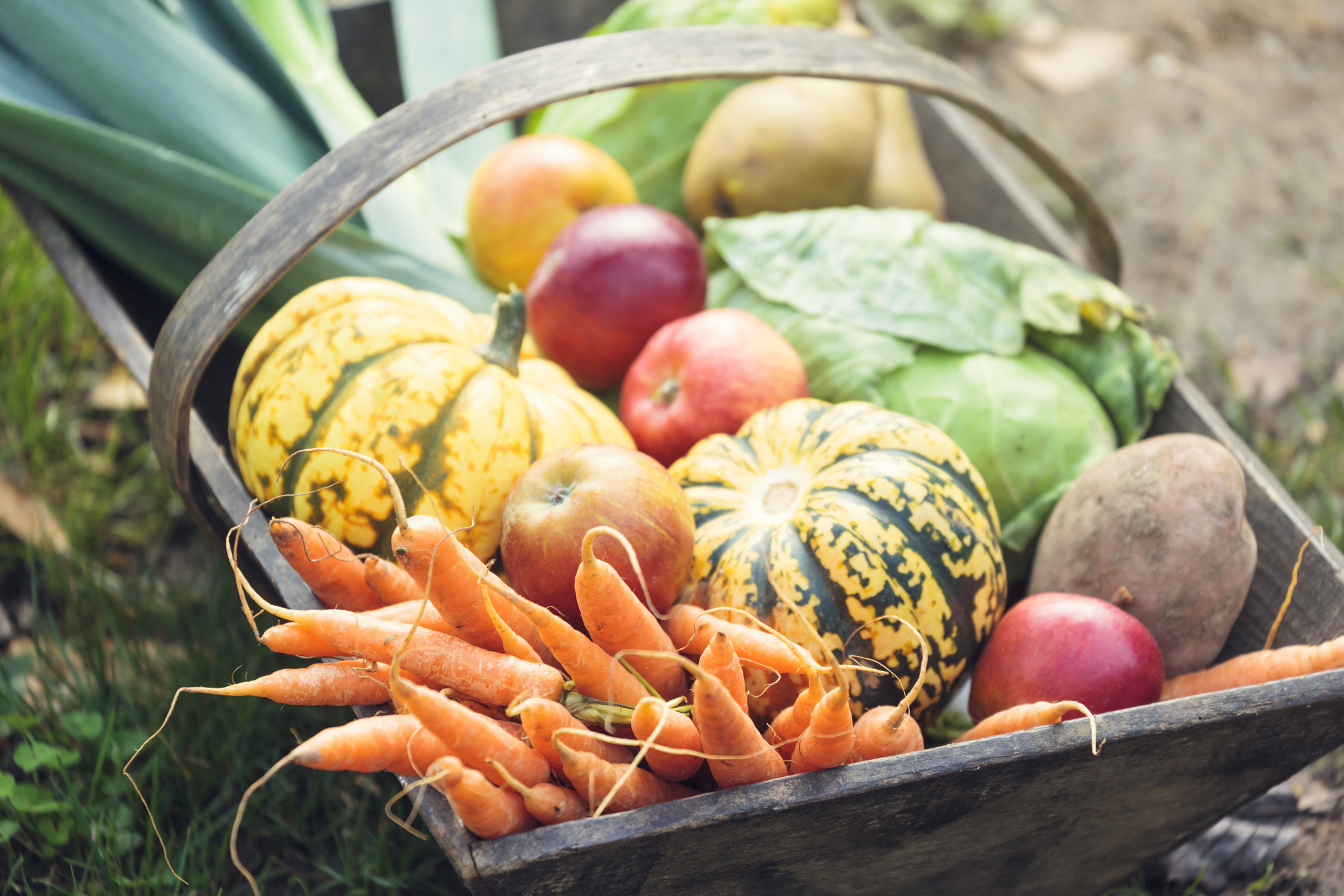

Mastering the art of purchasing seasonal produce in bulk for cost-effective healthy cooking is a cornerstone of modern, sustainable living in 2026. By aligning your grocery strategy with the natural harvest cycles of your region, you can significantly reduce your household food expenditure while simultaneously boosting the nutritional quality of your daily meals. Seasonal fruits and vegetables are harvested at the peak of their maturity, ensuring that you receive the highest concentrations of vitamins, minerals, and antioxidants available. Transitioning to a bulk-buying model requires a blend of logistical planning, storage knowledge, and culinary creativity, but the long-term rewards for your health and wallet are substantial. This guide provides the professional blueprint you need to navigate the markets efficiently and maximize the value of every harvest season.
Understanding Seasonal Harvest Cycles
The primary advantage of buying seasonal produce is the inherent alignment with local agricultural production, which dictates both availability and pricing. During the spring, focus your bulk purchasing on delicate greens, asparagus, and early root vegetables, which are often priced at their lowest point due to high supply. As we move into the summer months, the market shifts toward berries, stone fruits, and nightshades like tomatoes and peppers. Understanding these cycles allows you to plan your kitchen inventory months in advance, ensuring you are never caught paying premium prices for out-of-season imports. Leveraging resources from the USDA Agricultural Marketing Service can provide hyper-local insights into specific regional crop yields for the current year.
- 10 Genius Ways to Transform Leftovers Into Budget-Friendly Lunches
- How to Master Monthly Freezer Meal Planning: Save Time and Cut Grocery Costs
- Batch Cooking Like a Pro: Freeze & Reheat Meals Without Losing Flavor
- Extreme Budget Meal Planning: Full Week Guide Under Tight Income
- Zero Waste Meal Prep: Creative Leftover Recipes for a Sustainable Week
Once you have identified the seasonal windows for your favorite crops, the next step involves finding reliable sources for bulk procurement. Farmers’ markets remain the gold standard for freshness, but wholesale distributors or produce cooperatives often offer better pricing for large-scale purchases. In 2026, many local growers have expanded their digital storefronts, allowing consumers to pre-order harvest boxes at wholesale rates. Building a direct relationship with these producers not only secures you the freshest inventory but also supports the regional economy. When buying in bulk, always inspect the produce for signs of bruising or premature decay, as these will significantly impact the shelf life of your entire batch once brought into your home storage environment.
Quick Facts & Statistical Insights
Recent 2026 agricultural data indicates that consumers who purchase produce in season can save upwards of 35 percent on their annual grocery budget. Studies from the Food and Agriculture Organization suggest that nutrient density in store-bought produce can decline by 20 percent within just 72 hours of harvest if stored improperly. Expert nutritionists emphasize that seasonal eating promotes microbiome diversity, as the body is exposed to a broader spectrum of phytochemicals throughout the year. Furthermore, bulk purchasing reduces individual packaging waste by an average of 45 percent per household, significantly lowering the environmental impact of your culinary operations.
Strategic Storage and Preservation
Acquiring large quantities of produce is only half the battle; the true expertise lies in your ability to preserve that quality until consumption. Proper storage is a science that requires controlling temperature, humidity, and airflow for different vegetable families. Root vegetables, such as carrots and beets, thrive in cool, dark, and slightly humid environments, often lasting months if stored in sand or specialized ventilated bins. Leafy greens, conversely, require immediate processing, such as blanching or freezing, to retain their structural integrity and vitamin content. Investing in high-quality glass containers and vacuum-sealing equipment is essential for maintaining the freshness of your bulk hauls throughout the calendar year.
Effective Preservation Techniques
For those looking to extend the shelf life of summer harvests into the winter, fermentation and dehydration are invaluable tools. Fermenting vegetables like cabbage, radishes, and cucumbers preserves their probiotic content while creating unique flavor profiles that enhance healthy dishes. Dehydration is another space-saving method that concentrates the natural sweetness of fruits and herbs, making them perfect for quick snacks or seasoning bases. By mastering these preservation techniques, you effectively create a private, long-term pantry that shields your household from the volatile price spikes often seen in traditional retail environments during the off-season months of 2026.
Comparison of Procurement Methods
| Feature | Farmers Market | Wholesale Co-op | Grocery Chain |
|---|---|---|---|
| Price point | Moderate | Low | High |
| Freshness level | Highest | High | Variable |
| Bulk availability | Limited | High | Moderate |
| Local sourcing | Excellent | Good | Poor |
| Storage effort | Low | High | Minimal |
| Sustainability | High | High | Low |
Managing Your Kitchen Workflow
Integrating bulk produce into your routine requires a shift in how you organize your meal preparation. Instead of shopping for specific recipes, allow your bulk inventory to dictate your menu, a technique often referred to as cooking by harvest. This practice encourages the development of versatile base recipes, such as roasted vegetable medleys, nutrient-dense soups, or large-batch pestos that can be adapted for various meals throughout the week. By dedicating a few hours each weekend to processing your bulk produce, you eliminate the daily friction of chopping and prepping, making healthy eating the most convenient option in your kitchen. This proactive approach is a hallmark of efficient, professional culinary management.
Tracking your inventory is the final piece of the puzzle for a successful bulk-buying strategy. Utilizing simple spreadsheets or digital inventory management apps allows you to monitor what you have on hand and what needs to be consumed first to avoid spoilage. Following the first-in, first-out (FIFO) principle ensures that older stock is utilized before newer arrivals, maintaining optimal quality across your pantry. In 2026, many home chefs are utilizing smart pantry systems that sync with their grocery planning apps to prevent over-buying. When you manage your produce with this level of precision, you not only save money but also cultivate a deep, expert-level connection to the food you put on your table.
Nutritional Impact of Seasonal Eating
Eating in accordance with the seasons allows your body to receive the specific nutrients it requires throughout the year. For instance, winter produce is often rich in beta-carotene and vitamin C, which are crucial for immune support during the colder months. Summer produce, by contrast, is often high in water content and electrolytes, helping to keep the body hydrated during periods of intense heat. By diversifying your intake based on what is naturally available, you ensure a broad spectrum of micronutrients that are often lacking in the standard processed diet. This alignment with nature’s rhythm is one of the most effective ways to optimize your physical performance and overall vitality.
Furthermore, seasonal produce is often harvested at the peak of ripeness, which means it has had more time to develop complex flavors and beneficial plant compounds. When you purchase in bulk, you are essentially buying these nutrients at their maximum potency. Many health professionals cite the Nutrition.gov portal as a vital resource for understanding how these seasonal variations impact specific health goals. By prioritizing freshness and seasonality, you move away from reliance on highly processed, shelf-stable foods and toward a whole-food lifestyle that is both cost-effective and profoundly nourishing. This shift is not merely about savings; it is about reclaiming the nutritional integrity of your diet through intelligent and proactive procurement.
Key Takeaways
- Prioritize seasonal harvest calendars to ensure the lowest prices and highest nutrient density.
- Build direct relationships with local farmers to secure bulk pricing and superior quality.
- Implement proper storage solutions like vacuum sealing and root cellaring for longevity.
- Master preservation techniques such as fermentation and dehydration to extend your pantry.
- Adopt a first-in, first-out inventory system to minimize waste and maximize freshness.
- Align your menu planning with your current bulk inventory to simplify healthy cooking.
Frequently Asked Questions
What is the best way to start buying in bulk?
Begin by identifying two or three versatile seasonal vegetables you use frequently. Research local wholesale farms or community co-ops to compare their bulk pricing against your local grocery store, then invest in basic storage supplies to handle the volume.
How do I prevent bulk produce from spoiling?
The key is proper preparation immediately upon arrival. Wash, dry, and portion your produce correctly, using appropriate storage techniques like breathable bags for greens and dark, cool areas for root vegetables. Always process excess quantities into frozen or preserved states.
Are organic options worth the extra cost in bulk?
When purchasing in bulk, the per-unit cost of organic produce drops significantly. If your budget allows, prioritizing organic for items on the “Dirty Dozen” list can reduce your chemical exposure while still keeping your overall food costs lower than purchasing conventional produce in small, retail-priced amounts.
How can I store bulk greens for more than a week?
Leafy greens should be washed, spun completely dry, and stored in an airtight container lined with paper towels to absorb excess moisture. For longer storage, blanching and freezing is the most effective way to retain their nutritional value for months.
Does frozen produce count as seasonal?
Yes, frozen produce is often flash-frozen at the peak of the season, locking in nutrients. Purchasing frozen bulk bags is an excellent way to maintain a seasonal diet even when specific crops are out of season, providing consistency and cost-savings throughout the year.
Conclusion
Purchasing seasonal produce in bulk is a transformative strategy that elevates your kitchen from a site of daily chores to a hub of sustainable, high-quality nutrition. By embracing the rhythms of the 2026 agricultural calendar, you position yourself to thrive economically and physically. While the initial investment in storage and planning requires effort, the long-term benefits of reduced waste, lower expenses, and superior meal quality are unparalleled. Start small, refine your storage methods, and watch as your pantry becomes a testament to the power of seasonal eating. Empower your health by making the harvest your primary grocery source.