

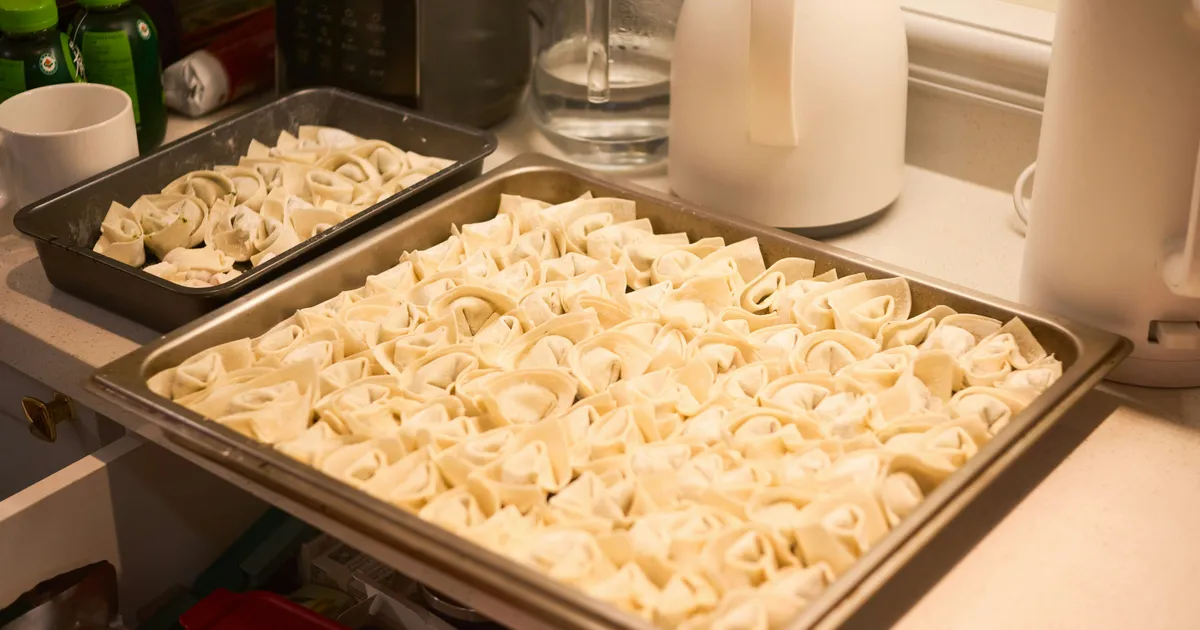

Batch cooking for the freezer is a game-changer for busy individuals and families looking to save time and money. Imagine having delicious, home-cooked meals readily available, even on the busiest weeknights. The key to successful batch cooking lies in understanding how to prepare, freeze, and reheat meals properly, preventing quality loss along the way. This article will offer expert tips and strategies to optimize your freezer meals, ensuring they taste just as good as the day they were cooked. With a little planning and the right techniques, you can transform your approach to meal preparation and enjoy the convenience of homemade frozen meals without sacrificing flavor or texture. By 2026, frozen meals will be even more convenient thanks to these simple tips.
Planning Your Batch Cooking Session
Effective planning is the foundation of successful batch cooking. Start by identifying your favorite recipes that freeze and reheat well. Casseroles, soups, stews, and chili are excellent choices. Consider the seasonality of ingredients when choosing your recipes. In the winter, hearty stews with root vegetables are a fantastic option, while summer might be better for lighter soups and grilled dishes that can be easily incorporated into diverse meals. Be realistic about how much time you have available for cooking and cleaning. Break down the recipes into manageable tasks and spread them out over a weekend if necessary. This prevents overwhelm and ensures that you can maintain attention to detail in each step.
- The Guide to Bulk Seasonal Produce: Save Money and Eat Healthier This Year
- 10 Genius Ways to Transform Leftovers Into Budget-Friendly Lunches
- How to Master Monthly Freezer Meal Planning: Save Time and Cut Grocery Costs
- Extreme Budget Meal Planning: Full Week Guide Under Tight Income
- Zero Waste Meal Prep: Creative Leftover Recipes for a Sustainable Week
After determining your meal plan, create a detailed shopping list. This will prevent multiple trips to the grocery store and ensure you have all the necessary ingredients on hand. Organize your kitchen and gather all your equipment before you begin cooking. Having everything ready will save you valuable time and effort. Consider investing in quality freezer-safe containers and labels. They are crucial for proper storage and organization. Don’t forget to clearly label each container with the name of the dish, the date it was prepared, and any special instructions, like reheating directions. A well-organized approach sets the stage for efficient and enjoyable batch cooking sessions.
Choosing Recipes and Ingredients Wisely
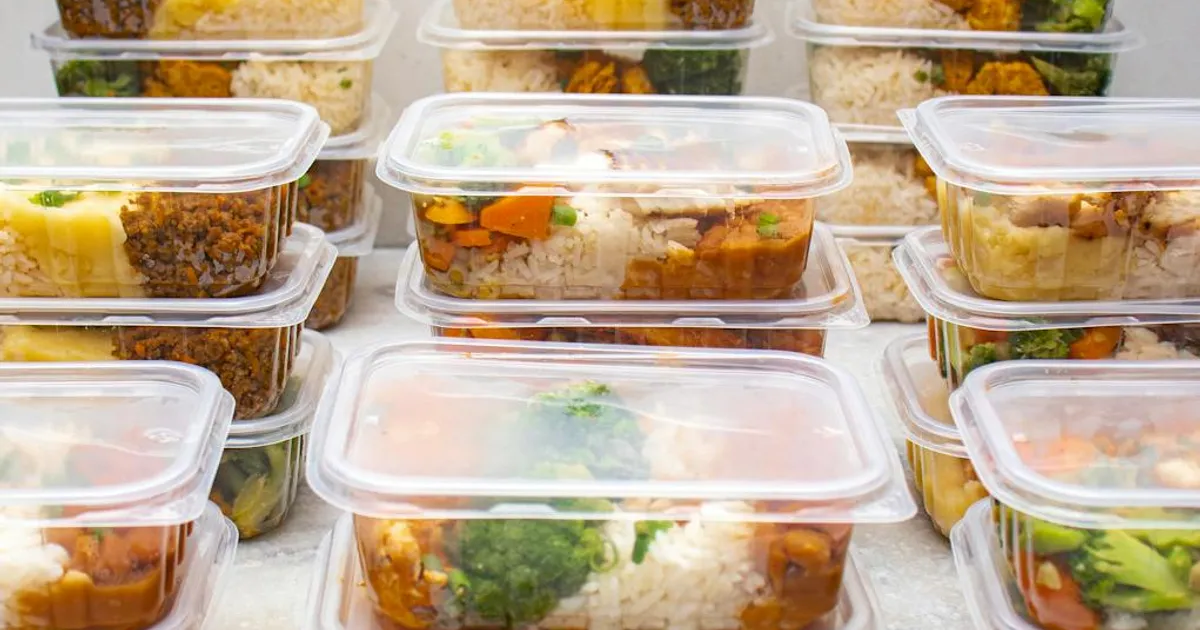
Not all recipes are created equal when it comes to freezer compatibility. Opt for recipes that are naturally moist and flavorful. These tend to hold up better during the freezing and reheating process as they are less prone to drying out. Avoid using dairy-based sauces and creams, as they can sometimes separate or curdle upon thawing and reheating. If a recipe calls for dairy, consider adding it after reheating. Starches, such as pasta or rice, can also become mushy when frozen and reheated. To mitigate this, undercook pasta or rice slightly before freezing, then finish cooking it during the reheating process; another option is to cook rice separately when serving the meal.
When selecting ingredients, freshness is key. Use high-quality ingredients that are at their peak ripeness. This will ensure that your meals taste their best when you eventually reheat them. Vegetables like bell peppers, onions, and carrots freeze particularly well and can add depth of flavor to your dishes. Meats should be lean and trimmed of excess fat to prevent freezer burn. When incorporating spices and herbs, consider that flavors can intensify during freezing. Use them sparingly at first and adjust to taste after reheating and consider adding fresh herbs just before serving to revitalize the flavor.
Cooling and Packaging Techniques
Proper cooling and packaging are paramount to maintaining the quality of your frozen meals. Allow your cooked food to cool completely before packaging it for the freezer. This step is crucial to prevent condensation from forming, which can lead to ice crystals and freezer burn. Cooling foods at room temperature for too long can be unsafe bacteria-wise; accelerate the cooling process by using a large bowl of ice water. Place the pot or container of cooked food inside the ice water bath, stirring occasionally to dissipate heat. Once the food has cooled in a safe amount of time, package it in freezer-safe containers.
Choose containers that are appropriate for the portion sizes you intend to reheat. Consider using portion-sized glass or plastic containers, freezer bags, or even silicon freezing molds. Ensure that the containers are airtight to prevent freezer burn and maintain optimal freshness. When using freezer bags, press out as much air as possible before sealing them. This can be done manually or with a vacuum sealer for even better results. Label each container carefully with the name of the dish, the date it was prepared, and any specific reheating instructions. Clear labeling helps with organization and ensures that you use the oldest meals first, minimizing food waste.
Freezing Methods and Storage
The speed at which food freezes affects its quality. The faster it freezes, the smaller the ice crystals that form, which minimizes damage to the food’s texture. Use a blast chiller or freezer that has a “quick freeze” setting for optimal results. If you don’t have these options, spread the food out in a single layer on a baking sheet before transferring it to containers. This allows the food to freeze more quickly and evenly. Once the food is fully frozen, stack the containers neatly in the freezer.
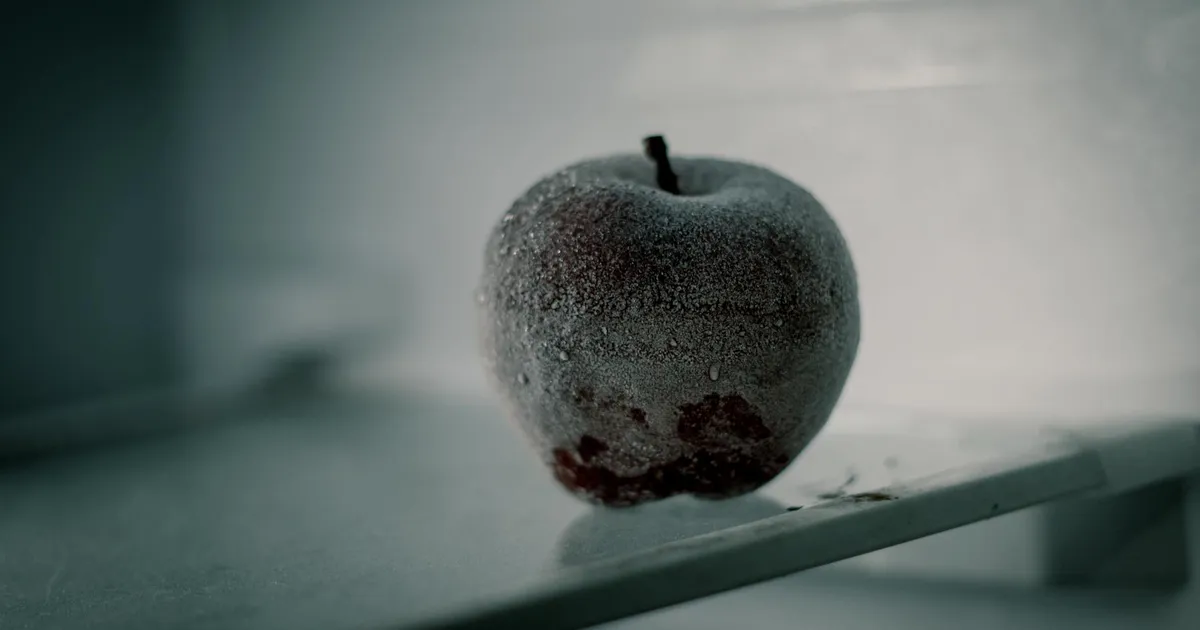
Proper storage is essential to prevent freezer burn and maintain food quality. Keep your freezer organized and avoid overcrowding, which can impede airflow and affect freezing efficiency. Aim to consume frozen meals within 2-3 months for the best quality. Over time, frozen foods can develop off-flavors and textures, even if they are still safe to eat. Regularly check your freezer and rotate older meals to ensure they are used before they lose their optimal quality. A well-maintained freezer is key to reaping the benefits of batch cooking and enjoying delicious, home-cooked meals whenever you need them. As of 2026 people will find even more ways to properly store their freezer meals.
Reheating Techniques to Preserve Quality
The key to reheating frozen meals without losing quality is to thaw them properly. The best method is to thaw the food in the refrigerator overnight. This allows for a gradual thawing process, which helps maintain the food’s texture and flavor. If you’re short on time, you can thaw the food in a cold water bath, changing the water every 30 minutes to keep it cold. Avoid thawing food at room temperature, as this can promote bacterial growth.
When reheating, use the appropriate method for the type of dish. Soups and stews can be gently reheated on the stovetop or in a slow cooker. Casseroles and baked dishes are best reheated in the oven at a low temperature. Add a little moisture, such as water or broth, to help prevent drying out. If using a microwave, reheat in short intervals, stirring frequently to ensure even heating. Be careful not to overcook the food, as this can lead to dryness and a loss of flavor. For best results, consider adding touches of freshness, such as fresh herbs or a squeeze of lemon juice, just before serving to brighten up the flavors.
Dealing with Specific Food Types
Some foods require special attention during reheating. Pasta dishes can sometimes become mushy, so it’s best to reheat them gently and avoid overcooking. Fried foods will lose their crispness when frozen and reheated. Reheating them in an air fryer or oven can help restore some of the texture. For proteins, ensure that they are heated to the proper internal temperature to ensure safety and maximize flavor. Use a food thermometer to check the temperature before serving. Keep these guidelines in mind for successful meal reheating.
Adapting Recipes and Troubleshooting
Sometimes, recipes need to be adapted to be more freezer-friendly. Consider adjusting the amount of liquid in a recipe to account for moisture loss during freezing and reheating. You might also want to add a small amount of lemon juice or vinegar to help preserve the color of vegetables. If a dish becomes too thick during reheating, add a little water or broth to thin it out. Freezing can change the texture of foods. Thawed vegetables can sometimes be watery, so consider using frozen vegetables in your recipes – they are already blanched and sometimes easier to deal with!
Troubleshooting is a part of the process. If your meals are turning out bland, try adding a bit more seasoning or spices after reheating. If they are drying out, add a small amount of liquid and cover the dish while reheating. If you notice freezer burn, trim away the affected areas before reheating. Don’t be afraid to adjust your techniques and recipes as you gain experience. With practice, you’ll become a batch-cooking pro, creating delicious and convenient freezer meals that you can enjoy any time.
Key Takeaways
- Plan your batch cooking sessions in advance with a list of freezer-friendly recipes.
- Choose recipes with moist ingredients and avoid excessive dairy or starches.
- Cool food completely before packaging to prevent condensation and ice crystal formation.
- Freeze meals quickly and store them properly to prevent freezer burn.
- Thaw meals in the fridge overnight or in a cold water bath for best results.
- Reheat meals gently and consider adding fresh herbs or seasonings to enhance flavor.
Frequently Asked Questions
Can I freeze meals that contain mayonnaise?
Mayonnaise tends to separate and become watery when frozen, so it’s generally not recommended to freeze meals containing it. Consider adding mayonnaise after thawing.
How long can I store frozen meals in the freezer?
For optimal quality, aim to consume frozen meals within 2-3 months. They will technically remain safe to eat longer, but the taste and texture may degrade.
Can I refreeze thawed food?
It’s generally not recommended to refreeze thawed food, as this can increase the risk of bacterial growth and compromise food safety. Only refreeze if the food was thawed in the refrigerator and has not been held at room temperature for more than two hours.
What is freezer burn, and how can I prevent it?
Freezer burn is caused by dehydration on the surface of frozen food. It can be prevented by packaging food properly in airtight containers or freezer bags, removing as much air as possible before sealing.
How can I tell if a frozen meal has gone bad?
Signs that a frozen meal has gone bad include an off-flavor or odor, a change in color or texture, or the presence of large ice crystals. When in doubt, it’s best to discard the food.
Conclusion
Batch cooking and freezing meals are powerful techniques for streamlining your meal preparation process and saving valuable time. By carefully selecting recipes, following proper cooling and packaging methods, and using appropriate reheating strategies, you can enjoy the convenience of readily available, homemade meals without compromising quality. Embrace the principles outlined in this guide, and you’ll soon find yourself mastering the art of freezer-friendly cooking. With these tips, your freezer will transform into a valuable resource for delicious and nutritious meals on demand, simplifying your busy lifestyle.