

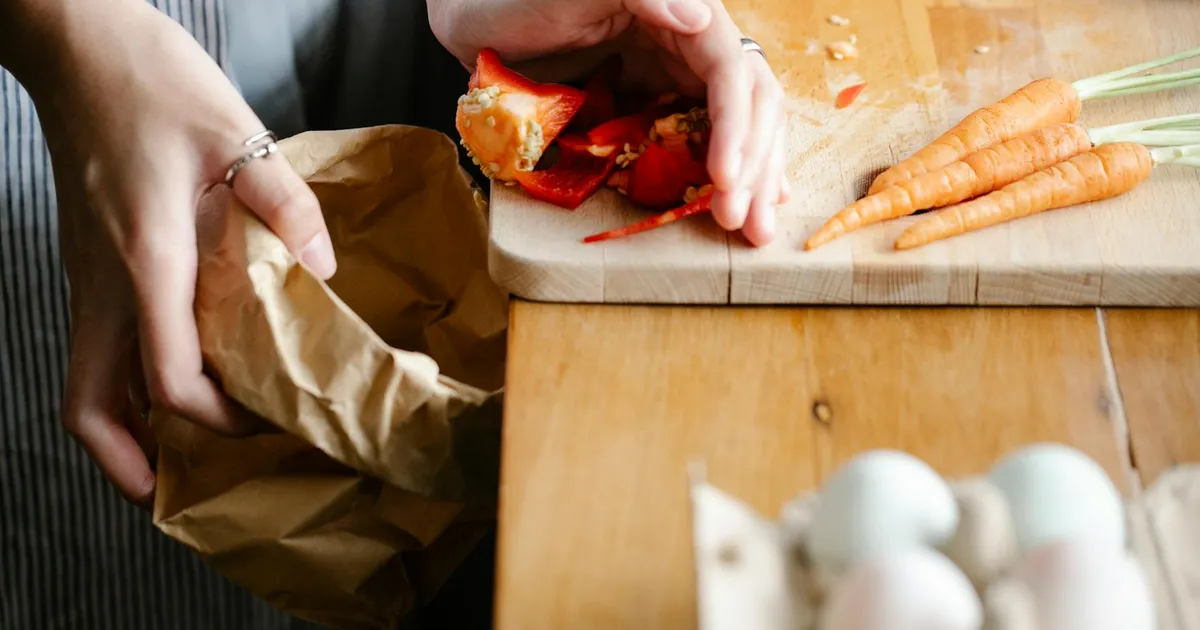

Zero waste meal prep is not just a trend; it’s a sustainable lifestyle choice that minimizes food waste and promotes mindful consumption. In 2026, as environmental awareness continues to grow, more people are embracing strategies to reduce their ecological footprint. Weekly meal prepping using leftover ingredients creatively can significantly contribute to this goal. This article explores practical and innovative ideas to transform your kitchen scraps into delicious and nutritious meals, saving you time, money, and reducing your environmental impact.
Embrace the Power of Vegetable Scraps
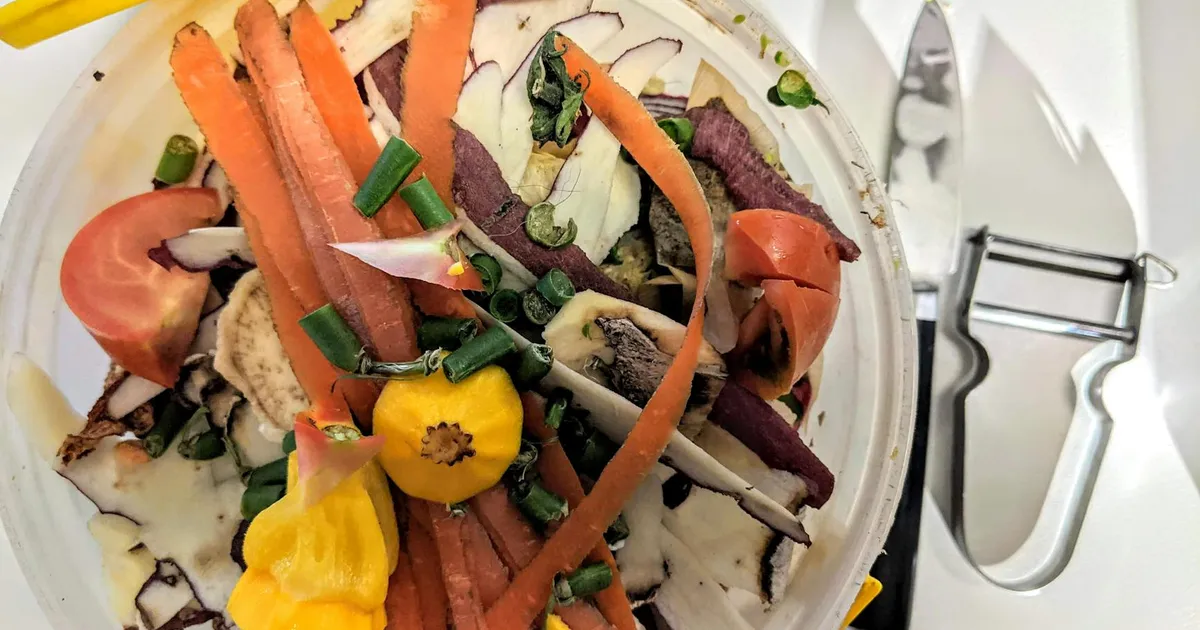
Vegetable scraps are a goldmine of nutrients and flavor that are often overlooked. Instead of tossing them, consider repurposing them into flavorful broths. Onion skins, carrot peels, celery ends, and herb stems can simmer in water to create a rich vegetable broth that can be used as a base for soups, stews, and sauces. Strain the broth and store it in the refrigerator or freezer for later use. This simple technique reduces waste and adds depth of flavor to your cooking. It’s also a great way to avoid buying pre-made, often sodium-laden, broths from the store. Embrace creative cooking!
- The Guide to Bulk Seasonal Produce: Save Money and Eat Healthier This Year
- 10 Genius Ways to Transform Leftovers Into Budget-Friendly Lunches
- How to Master Monthly Freezer Meal Planning: Save Time and Cut Grocery Costs
- Batch Cooking Like a Pro: Freeze & Reheat Meals Without Losing Flavor
- Extreme Budget Meal Planning: Full Week Guide Under Tight Income
Another fantastic use for vegetable scraps is making vegetable stock powder. Spread the cleaned and dried scraps on a baking sheet and roast them at a low temperature until completely dry. Grind the dried vegetables into a fine powder using a food processor or spice grinder. This homemade vegetable stock powder can replace bouillon cubes and other processed flavor enhancers. Store it in an airtight container and use it to season your meals. For more detailed instructions on how to make vegetable stock powder, check out resources like the EPA’s guidance on food waste reduction. This method preserves the nutrients and flavors of the vegetables while eliminating waste.
Transform Leftover Cooked Grains
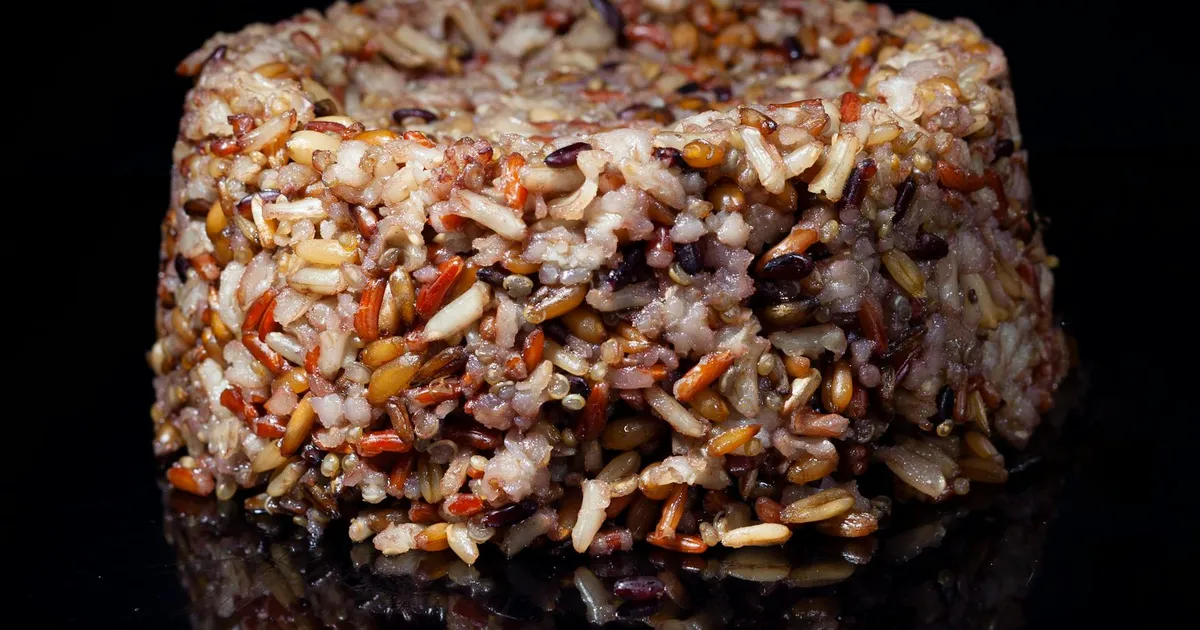
Cooked grains like rice, quinoa, and barley are incredibly versatile and can be transformed into a variety of dishes. Leftover rice can be used to make fried rice, rice bowls, or even rice pudding. Add some leftover cooked vegetables and protein to the fried rice for a complete and balanced meal. Rice bowls can be customized with various toppings, sauces, and dressings to suit your preferences. For a sweet treat, simmer leftover rice with milk, sugar, and spices to create a comforting rice pudding. The possibilities are endless and depend on your creativity!
Consider turning leftover grains into crispy fritters or patties. Mix the grains with some herbs, spices, an egg (or flax egg for a vegan option), and a binder like breadcrumbs or flour. Form the mixture into small patties and fry them in a pan until golden brown and crispy. These fritters can be served as a snack, appetizer, or side dish. Leftover quinoa, for instance, pairs well with black beans, corn, and cilantro for a Southwestern-inspired fritter. With a little imagination, leftover grains can become a star ingredient in your zero waste kitchen. This is especially important as the global population increases and we need to find sustainable ways to feed everyone.
Reimagine Leftover Roasted Chicken or Meat
Leftover roasted chicken or meat is a valuable resource that can be repurposed in numerous ways. Shred the meat and use it to make tacos, quesadillas, or enchiladas. Add some salsa, guacamole, and your favorite toppings for a flavorful and satisfying meal. Alternatively, use the shredded meat to make chicken or meat salad sandwiches. Mix the meat with mayonnaise, celery, onion, and seasonings for a classic sandwich filling. You can also add the shredded meat to soups, stews, and casseroles to enhance their protein content and flavor.
Furthermore, consider using the leftover bones and carcass to make homemade bone broth. Simmer the bones with vegetables scraps, herbs, and water for several hours to extract the nutrients and flavor. Bone broth is a nutrient-rich elixir that can be used as a base for soups, stews, and sauces. It’s also a great way to support your immune system and improve your gut health. Making your own bone broth from leftover bones is an excellent example of zero waste cooking and demonstrates how every part of an ingredient can be utilized. Check out websites like the USDA for food safety tips.
Utilizing Chicken Carcasses
Chicken carcasses are treasure troves of flavor and nutrients that should never be wasted. After enjoying a roast chicken, carefully remove any remaining meat and set aside. Then, place the carcass in a large pot or slow cooker. Add vegetable scraps such as onion skins, carrot peels, and celery ends, along with some herbs like parsley stems and bay leaves. Cover the ingredients with water and simmer for several hours or overnight. Strain the broth and discard the solids. The resulting bone broth is a flavorful and nutritious base for soups, stews, and sauces.
Give New Life to Stale Bread
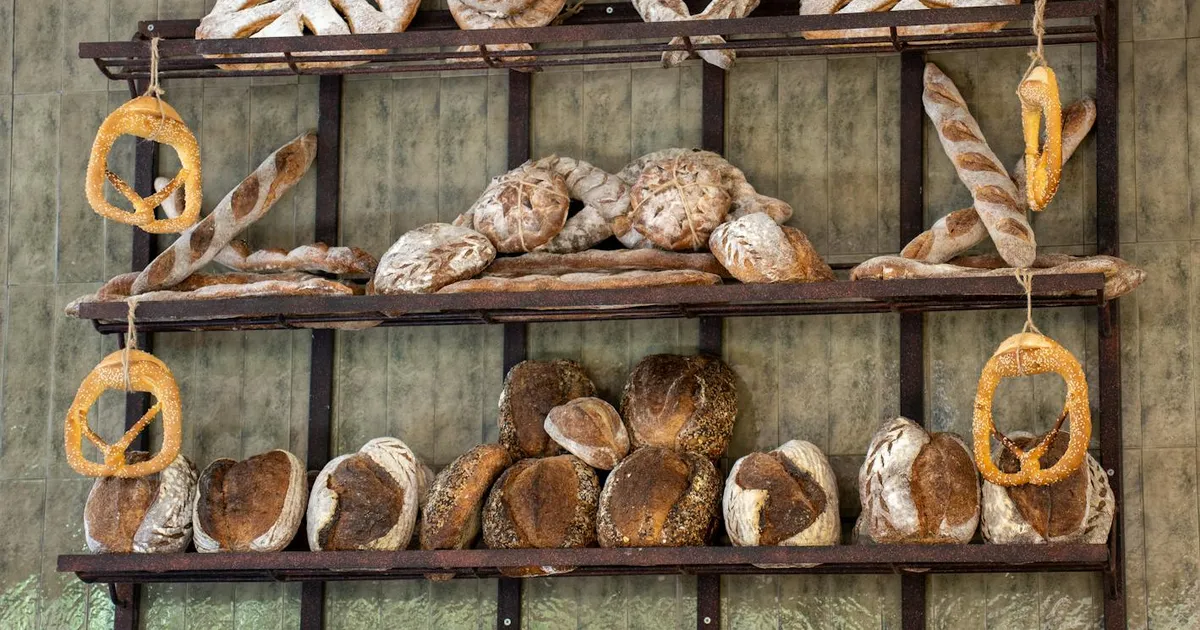
Stale bread doesn’t have to end up in the trash. It can be transformed into a variety of delicious dishes. Use it to make breadcrumbs by toasting the stale bread and grinding it in a food processor. Store the breadcrumbs in an airtight container and use them to coat chicken, fish, or vegetables before baking or frying. Alternatively, use stale bread to make croutons by cubing the bread, tossing it with olive oil and seasonings, and baking it until crispy. Croutons add a delightful crunch to salads and soups.
Another creative use for stale bread is making French toast casserole or bread pudding. Soak the stale bread in a mixture of eggs, milk, sugar, and spices, and bake it until golden brown and custardy. These dishes are perfect for brunch or dessert and can be customized with various fruits, nuts, and chocolate chips. Stale bread can also be used to make strata, a savory bread casserole with layers of cheese, vegetables, and meat. By repurposing stale bread, you can reduce food waste and enjoy delicious and comforting meals.
Revamp Leftover Coffee and Tea
Even leftover coffee and tea can be put to good use. Cold coffee can be used to make iced coffee, coffee smoothies, or even coffee-flavored desserts. Freeze leftover coffee into ice cubes and use them to chill your iced coffee without diluting the flavor. Add leftover coffee to chocolate cakes, brownies, or cookies to enhance their chocolatey flavor. Coffee grounds can be used as a natural fertilizer for your garden, adding nutrients to the soil and repelling pests. They can also be used as a natural exfoliant for your skin.
Similarly, leftover tea can be used in various ways. Use it to make iced tea, tea-infused cocktails, or even tea-based sauces. Add leftover tea to rice or quinoa while cooking to infuse them with subtle flavors. Tea bags can be used to soothe tired eyes or reduce puffiness. They can also be used to deodorize your refrigerator or freshen up your compost bin. By exploring the creative uses of leftover coffee and tea, you can minimize waste and discover new ways to appreciate these beverages.
Master the Art of Fridge Clean-Out Meals

One of the most effective ways to reduce food waste is to regularly create “fridge clean-out” meals. Take stock of the ingredients you have on hand, including leftover vegetables, cooked grains, beans, and proteins. Combine these ingredients in creative ways to create new and exciting dishes. For example, you can make a stir-fry with leftover vegetables, rice, and tofu or chicken. You can also make a frittata or quiche with leftover vegetables, eggs, and cheese. Frittatas and quiches are versatile dishes that can be customized with various ingredients.
Another great option is making a soup or stew using leftover ingredients. Soups and stews are forgiving dishes that can accommodate a wide range of vegetables, beans, and proteins. Add some broth or water, herbs, and spices to create a flavorful and nutritious meal. Embrace the challenge of using what you have on hand and let your creativity guide you. By mastering the art of fridge clean-out meals, you can reduce food waste, save money, and discover new culinary creations. In 2026, this skill is more valuable than ever as we strive for sustainable practices.
Key Takeaways
- Repurpose vegetable scraps into flavorful broths and stock powders.
- Transform leftover cooked grains into fried rice, fritters, or patties.
- Reimagine leftover roasted chicken or meat in tacos, salads, or bone broth.
- Give new life to stale bread by making breadcrumbs, croutons, or bread pudding.
- Revamp leftover coffee and tea into iced beverages or garden fertilizer.
- Master the art of fridge clean-out meals by combining leftover ingredients creatively.
Frequently Asked Questions
How do I store leftover vegetable broth properly?
Allow the broth to cool completely before transferring it to an airtight container. Store in the refrigerator for up to 5 days or freeze for up to 3 months. Label with the date for easy reference.
What if my stale bread is moldy?
If there’s any sign of mold, discard the entire loaf immediately. Mold can spread quickly and is not safe to consume.
Can I use coffee grounds on all types of plants?
Coffee grounds are acidic, so they are best suited for acid-loving plants such as blueberries, azaleas, and roses. Avoid using them on plants that prefer alkaline soil.
How can I make my fridge clean-out meals more exciting?
Experiment with different herbs, spices, and sauces to add flavor and variety to your meals. Don’t be afraid to try new combinations and get creative!
What are some resources for learning more about zero waste cooking?
Numerous books, websites, and blogs offer tips and recipes for zero waste cooking. Look for resources from reputable organizations like the NRDC or check out blogs dedicated to sustainable living.
Conclusion
Embracing weekly zero waste meal prep by using leftover ingredients creatively is a powerful way to reduce food waste and contribute to a more sustainable lifestyle. By repurposing vegetable scraps, transforming leftover grains and proteins, and giving new life to stale bread, coffee, and tea, you can create delicious and nutritious meals while minimizing your environmental impact. As we move further into 2026, adopting mindful consumption practices like these will become increasingly important for the health of our planet and future generations. Start small, be creative, and enjoy the journey towards a zero waste kitchen!