

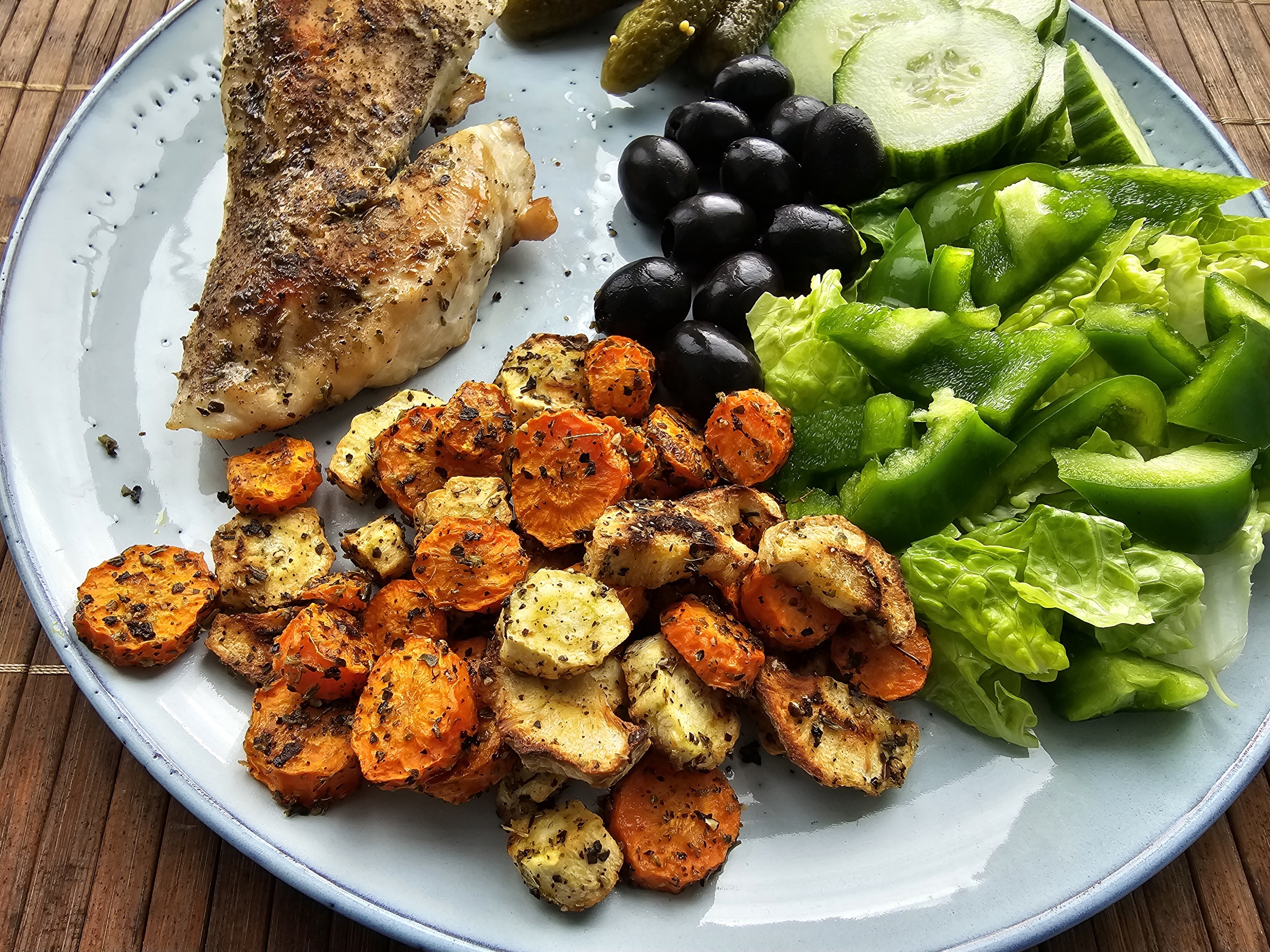

Learning how to perfectly air fry root vegetables is the ultimate culinary hack for achieving that elusive, restaurant-quality crunch without the excessive oil associated with deep frying. As we navigate 2026, home cooks are increasingly prioritizing efficiency and nutritional density, making the air fryer an indispensable appliance in any modern kitchen. Root vegetables like carrots, parsnips, sweet potatoes, and beets are packed with vitamins, fiber, and complex carbohydrates, but their dense cellular structure often makes them difficult to roast evenly. By utilizing the concentrated convection heat of an air fryer, you can transform these earthy staples into golden, caramelized bites that retain their internal moisture while developing a deeply satisfying exterior crisp. Mastering this technique requires an understanding of thermodynamics, vegetable chemistry, and the nuances of high-heat cooking.
Understanding Root Vegetable Chemistry
The secret to achieving the perfect texture lies in understanding the starch content and sugar composition of your chosen vegetables. When subjected to high temperatures, the starches within root vegetables undergo gelatinization, while the natural sugars participate in the Maillard reaction, which is responsible for that signature browning and complex flavor development. Unlike traditional oven roasting, which can take nearly an hour to achieve a decent char, the air fryer circulates superheated air at high velocities, accelerating these chemical processes significantly. This environment allows you to create a crisp crust that seals in the natural juices, preventing the rubbery or mushy consistency that often plagues slower cooking methods. For optimal results, treat each vegetable variety according to its unique moisture density.
- Easy Honey-Garlic Air Fryer Salmon: The Best Recipe for Succulent Fillets
- How to Convert Oven Recipes for Air Fryers: The Ultimate Guide to Perfect Results
- Air Fryer Recipes for Beginners: Easy Guide with Exact Time & Temp
- Crispy Air Fryer Snacks: Healthy, Breadcrumb-Free Recipes for Clean Eating
- Air Fryer Meal Prep: Healthy Recipes for a Full Week of Easy Eating
In 2026, culinary experts emphasize the importance of surface moisture management before cooking begins. Even if your vegetables appear dry, they contain significant internal water that can create steam inside the basket, effectively boiling the pieces rather than frying them. By patting your chopped vegetables dry with a clean kitchen towel and ensuring they are lightly coated in a high-smoke-point oil, you create a barrier that facilitates efficient heat transfer. This small step is the difference between a soggy mess and a professional-grade side dish. As you experiment with different root varieties, remember that consistency in size is paramount to ensure every piece hits the peak of crispness at the exact same moment during the cooking cycle.
The Science of Uniform Cutting
Uniformity is the cornerstone of professional cooking, and it is nowhere more critical than when preparing root vegetables for the air fryer. Because these vegetables have varying degrees of density, cutting them into pieces of identical size and shape ensures that heat penetrates the center of every piece simultaneously. A mandoline slicer or a high-quality chef knife is your best tool here; aim for uniform cubes or batons roughly one inch thick. This specific dimension provides the ideal ratio of surface area to volume, allowing the exterior to crisp up while the interior softens completely. If your pieces are too large, the outside may burn before the center is cooked; if they are too small, they may disintegrate under the intense airflow.
Recommended Preparation Techniques
When preparing hardy tubers like sweet potatoes or celeriac, consider the structural integrity of the vegetable. For example, sweet potatoes are prone to softening quickly, so cutting them slightly thicker than firmer vegetables like carrots can help them maintain their shape during the high-velocity cooking process. Always remove any woody ends or thick, fibrous skins that might detract from the final mouthfeel. Once cut, toss the vegetables in a large bowl with a tablespoon of avocado or grapeseed oil. These oils are preferred in 2026 for their high smoke points, which prevent the bitter flavors that can occur when using lower-quality oils at temperatures exceeding 400 degrees Fahrenheit. Seasoning should ideally happen after the oil coating to ensure spices adhere properly.
Comparison Table / Specifications Table
| Feature | Sweet Potato | Carrot | Beetroot |
|---|---|---|---|
| Cook Temperature | 380 Fahrenheit | 400 Fahrenheit | 375 Fahrenheit |
| Prep Time | 10 Minutes | 8 Minutes | 12 Minutes |
| Texture Outcome | Soft Interior | Firm Crisp | Deeply Caramelized |
| Oil Requirement | Light Coating | Moderate Coating | Heavy Coating |
| Ideal Seasoning | Smoked Paprika | Fresh Thyme | Coarse Salt |
Pros and Cons Analysis
The primary benefit of air frying root vegetables is the dramatic reduction in fat compared to deep frying, often saving hundreds of calories per serving. Furthermore, the speed and efficiency of modern air fryers allow for a nutritious, vegetable-forward side dish to be prepared in under twenty minutes, which is essential for busy weeknight meals. The high-heat environment also concentrates the natural sugars, resulting in a flavor profile that is far more intense than boiling or steaming. This method is exceptionally versatile, accommodating a wide range of root vegetables and spice blends to keep your menu interesting throughout the changing seasons.
However, there are potential drawbacks to consider when using this appliance for root vegetables. The most common issue is overcrowding the basket, which restricts airflow and prevents the vegetables from achieving a uniform crispness. You must cook in batches if you have a smaller unit, which can be time-consuming for larger families. Additionally, the high heat required for that perfect crunch can occasionally lead to uneven browning if the basket is not shaken frequently. Some users also find that certain root vegetables, particularly those high in sugar like beets or parsnips, can char rapidly if the timing is not monitored with precision, necessitating a watchful eye during the final stages of the cooking process.
Temperature and Timing Mastery
Mastering the thermostat is essential for success in 2026. While most air fryers have a default setting, you should adjust the temperature based on the specific sugar and starch profile of your vegetables. For denser vegetables like potatoes or rutabaga, a slightly lower temperature—around 375 degrees Fahrenheit—allows the heat to penetrate the center before the outside darkens. Conversely, lighter or thinner-skinned vegetables like carrots or radishes benefit from a higher setting of 400 degrees to achieve a rapid, aggressive sear. Always preheat your air fryer for at least three to five minutes; this ensures the cooking environment is at the target temperature the moment your vegetables hit the basket, preventing them from soaking up excess oil.
Throughout the cooking process, the “shake and toss” technique remains your most effective tool for quality control. Every five to seven minutes, pause the unit and vigorously shake the basket to redistribute the pieces. This ensures that every side of the vegetable is exposed to the superheated airflow, preventing any localized burning or soft spots. If you find your vegetables are not browning as quickly as you would like, resist the urge to increase the temperature, which can lead to charred exteriors and raw interiors. Instead, ensure the basket is not overloaded and verify that the vegetables are not touching each other too closely, as this airflow restriction is the leading cause of lackluster results.
Seasoning and Flavor Profiles
The final touch that elevates air-fried root vegetables from a simple side to a gourmet experience is the strategic application of seasoning. Because the air fryer intensifies flavors, you can be bolder with your spices than you might be with traditional roasting. In 2026, the trend is moving toward global flavor profiles, such as za’atar for carrots, rosemary and garlic salt for potatoes, or even a light dusting of nutritional yeast for a savory, umami-rich finish. Apply your dry spices after the oil coating but before the vegetables go into the basket. If you are using fresh herbs like parsley or cilantro, add them in the final two minutes of cooking to prevent them from burning and turning bitter.
Consider the role of acidity and sweetness to balance the earthy notes of root vegetables. A light drizzle of balsamic glaze or a squeeze of fresh lemon juice immediately after removing the vegetables from the air fryer can brighten the overall profile and cut through the richness of the oil. For those who enjoy a hint of heat, a dash of cayenne pepper or smoked paprika provides a warming depth that complements the natural sweetness of roasted beets or parsnips. By treating the air fryer as a flavor-concentrator rather than just a cooking tool, you can develop a signature style that makes your vegetable sides the highlight of every meal you prepare.
Key Takeaways
- Always pat your root vegetables dry to ensure maximum crispness during the air frying process.
- Maintain consistent sizes when chopping to ensure even cooking across all pieces in the basket.
- Preheat your air fryer for at least five minutes to guarantee immediate, efficient heat transfer.
- Avoid overcrowding the basket to allow proper air circulation, which is vital for a golden texture.
- Shake the basket every five to seven minutes to prevent uneven cooking and ensure uniform browning.
- Experiment with high-smoke-point oils like avocado or grapeseed to avoid bitter flavors at high heat.
Frequently Asked Questions
Should I peel my root vegetables before air frying?
Peeling is largely a matter of personal preference. Leaving the skins on, particularly for carrots and parsnips, adds fiber and a rustic texture, provided they are scrubbed thoroughly. For older or thicker-skinned tubers like potatoes, peeling is generally recommended for a more refined texture.
Can I use parchment paper in the air fryer?
Yes, you can use perforated parchment paper liners specifically designed for air fryers to make cleanup easier. However, ensure the paper is weighed down by the vegetables, or it may fly up into the heating element, which is a significant fire hazard.
How do I prevent my vegetables from becoming soggy?
Sogginess is usually the result of overcrowding the basket or excess surface moisture. Ensure your vegetables are dry before oiling, cook in a single layer if possible, and always shake the basket frequently to allow steam to escape during the cooking cycle.
What is the best oil for air frying root vegetables?
For high-heat cooking, always choose oils with high smoke points, such as avocado oil, grapeseed oil, or refined coconut oil. Avoid extra virgin olive oil for long cooking times, as it can break down and create a bitter taste at temperatures above 375 degrees Fahrenheit.
Can I reheat air-fried vegetables later?
You can certainly reheat them, though they may lose some of their initial crispness. The best way to restore their texture is to pop them back into the air fryer at 350 degrees Fahrenheit for three to four minutes until they are heated through and the exterior is re-crisped.
Conclusion
Perfecting the art of air frying root vegetables is a transformative skill that aligns perfectly with the health-conscious and efficiency-driven standards of 2026. By applying the principles of uniform cutting, proper surface moisture management, and strategic temperature control, you can consistently produce a side dish that rivals the output of professional kitchens. Whether you are preparing a quick weeknight dinner or an elaborate feast, these techniques ensure your vegetables remain both nutritious and delicious. Embrace the versatility of your air fryer, experiment with diverse seasonings, and enjoy the satisfying crunch that comes with mastering this essential modern culinary technique.