

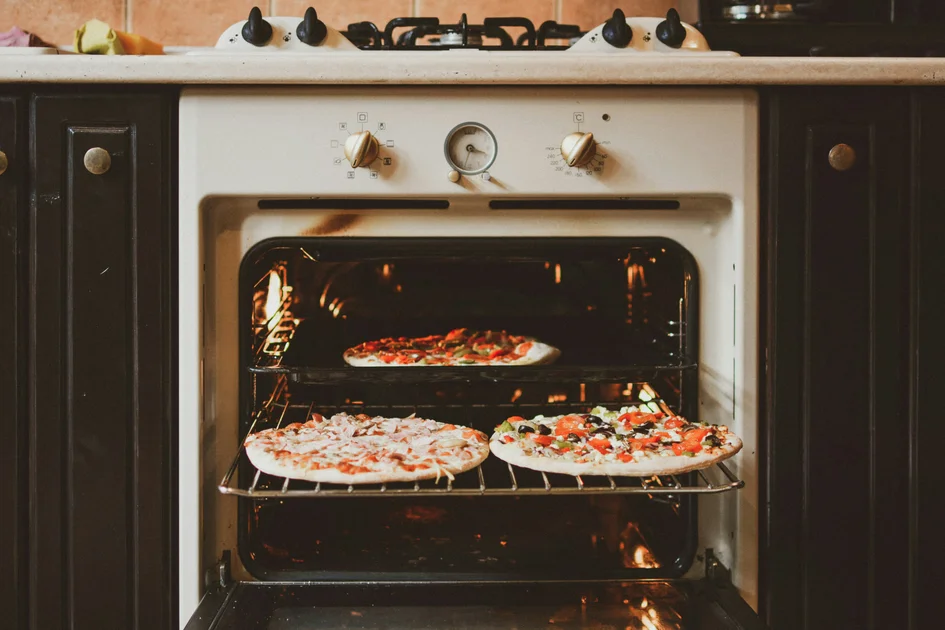

Mastering a guide to converting traditional oven-baked recipes for air fryer efficiency requires a fundamental understanding of thermodynamic principles and rapid convection technology. As we navigate the culinary landscape of 2026, the air fryer has evolved from a trendy countertop gadget into an essential kitchen powerhouse capable of replicating professional roasting, baking, and dehydrating results. By leveraging high-velocity air circulation, these appliances significantly reduce cooking times while enhancing the Maillard reaction, which creates that desirable golden-brown exterior on proteins and vegetables. Transitioning your favorite family recipes from a conventional oven to an air fryer is not merely about pressing a button; it involves strategic adjustments to time, temperature, and rack positioning. This comprehensive manual provides the expert insights necessary to optimize your kitchen workflow and achieve consistent, restaurant-quality results every single time you cook.
The Physics of Air Fryer Efficiency
At its core, an air fryer is a compact convection oven that utilizes a powerful fan to circulate hot air at high speeds around the food. Unlike a traditional oven, where heat radiates from stationary elements, the air fryer creates a concentrated vortex of thermal energy. This mechanism minimizes the distance heat must travel to penetrate the food surface, leading to significantly faster cooking times. When you adapt traditional recipes, you must account for this increased efficiency by lowering the temperature by approximately 25 degrees Fahrenheit and reducing the total cooking duration by roughly 20 percent. Understanding this baseline conversion formula is the first step toward preventing overcooked or dried-out meals while maximizing the energy-saving benefits of your modern appliance.
- Easy Honey-Garlic Air Fryer Salmon: The Best Recipe for Succulent Fillets
- The Ultimate Guide to Crispy Air Fried Root Vegetables: Best Healthy Side Dish
- Air Fryer Recipes for Beginners: Easy Guide with Exact Time & Temp
- Crispy Air Fryer Snacks: Healthy, Breadcrumb-Free Recipes for Clean Eating
- Air Fryer Meal Prep: Healthy Recipes for a Full Week of Easy Eating
Furthermore, the physical footprint of the cooking chamber plays a vital role in moisture retention and crisping. Because air fryers are smaller, they can become crowded quickly, which inhibits the airflow necessary for that signature crunch. For optimal results in 2026, always ensure your ingredients are arranged in a single layer with ample space between items to allow the convection current to reach every surface. If you are preparing large batches, it is far more efficient to cook in multiple cycles rather than overcrowding the basket, which would result in uneven steaming rather than the crisping you desire. Proper spatial management, combined with accurate temperature adjustments, ensures that your air-fried dishes maintain the structural integrity and flavor profiles of your original oven-baked favorites.
Temperature and Time Conversions
Converting recipes requires a disciplined approach to thermal management to avoid burning the exterior before the center reaches the desired internal temperature. As a general rule of thumb for 2026, start by setting your air fryer 25 degrees lower than what the original oven recipe dictates. If the recipe calls for 400 degrees Fahrenheit, utilize 375 degrees instead to compensate for the intense, direct heat exposure. This adjustment prevents the outer layer of your food from charring while allowing the internal heat to distribute evenly. Always rely on a digital meat thermometer to verify doneness, as air fryer models vary significantly in power output and airflow dynamics compared to standard residential ovens.
The Importance of Preheating
Many home cooks overlook the preheating stage, yet it remains critical for recipe conversion accuracy. Just like a professional oven, an air fryer needs to reach its target temperature before the food enters the chamber to ensure the cooking process begins immediately upon contact. While modern 2026 air fryer models reach full temperature in under three minutes, failing to preheat can lead to inconsistent textures and extended cooking times. By establishing a consistent thermal baseline, you provide your ingredients with the immediate shock of heat required to seal in juices and develop a crisp crust. Integrating this simple preheating habit into your routine will drastically increase the success rate of every conversion project you undertake.
Pros and Cons Analysis
Understanding the operational trade-offs is essential for any home chef looking to modernize their cooking techniques. While the benefits are substantial, there are specific limitations that users must navigate to maintain high culinary standards. The following breakdown highlights the primary considerations when deciding between traditional oven usage and air frying.
| Feature | Traditional Oven | Air Fryer |
|---|---|---|
| Cooking Speed | Slower heat distribution | Rapid convection circulation |
| Energy Efficiency | High consumption | Low consumption |
| Crispiness Factor | Requires added fats | Achieves crunch with minimal oil |
| Capacity | Large scale for batches | Limited to single layer cooking |
| Maintenance | Easy to clean flat surfaces | Requires basket and grate cleaning |
Cost and Pricing Breakdown
Evaluating the financial impact of your kitchen habits is a hallmark of an expert home cook. In 2026, the transition to air frying is widely recognized as a cost-effective strategy for household management. Below is an overview of the financial considerations related to appliance investment and operational efficiency.
- Entry-level air fryers: $60 to $100 for basic manual models.
- Mid-range multi-function units: $150 to $250 including convection and roasting features.
- Premium smart-connected fryers: $300 plus for advanced sensors and mobile app integration.
- Energy savings: Approximately 30 to 50 percent lower electricity costs compared to running a full-sized oven.
- Maintenance supplies: $10 to $20 for parchment liners or silicone mats to protect surfaces.
Optimizing Food Placement
The success of air frying heavily depends on how you arrange the ingredients within the basket or on the rack. Because the heating element is typically located at the top of the unit, the proximity of your food to this source dictates the rate of browning. If you are baking delicate items like pastries or cookies, position them lower in the basket or use a rack to prevent the tops from burning before the centers set. Conversely, for proteins requiring a deep sear, placing them on the top rack or closer to the heating element is beneficial. Experimenting with these spatial variables allows you to master the nuances of your specific appliance model.
Additionally, avoid using excessive oil or heavy batters that can drip and cause smoke. In 2026, the trend is toward using light, atomized oil sprays that provide just enough coating for the Maillard reaction without creating a mess. If you are using aluminum foil or parchment paper, ensure it is weighted down by the food; otherwise, the powerful fan will blow the lightweight material into the heating element, potentially causing a fire hazard or damaging the unit. By maintaining a clean and strategically organized cooking chamber, you ensure that the airflow remains unobstructed, which is the primary factor in achieving uniform cooking results across all your traditional recipe conversions.
Essential Accessories for Success
Investing in the right tools can bridge the gap between mediocre results and professional-grade culinary success. Silicone liners are a game-changer for 2026, as they prevent food from sticking to the perforated basket and make cleanup significantly faster. Furthermore, using a wire rack insert allows air to circulate underneath the food, which is particularly helpful when cooking thick proteins or breaded items that require crispness on both sides. Having a dedicated set of heat-resistant tongs and a digital infrared thermometer will also provide you with the precision needed to monitor progress without constantly opening the drawer, which causes heat loss and disrupts the convection cycle.
Another valuable addition is a set of small, oven-safe ramekins or cake pans that fit within the basket dimensions. These allow you to adapt traditional oven-baked desserts, such as soufflés or small quiches, into the air fryer. When using these accessories, remember that the material density affects heat absorption; metal pans will heat up faster than ceramic or glass, so you may need to reduce your cooking time even further. Always cross-reference your accessory choices with the manufacturer guidelines found at Consumer Reports to ensure safety and compatibility. By thoughtfully outfitting your air fryer station, you expand your culinary capabilities and make the transition from traditional oven methods both seamless and rewarding.
Key Takeaways
- Lower your recipe temperature by 25 degrees Fahrenheit to prevent charring.
- Reduce cooking time by approximately 20 percent compared to standard oven instructions.
- Always preheat your air fryer for 3 minutes to establish a stable cooking environment.
- Arrange food in a single layer to ensure maximum airflow and even crisping results.
- Use a digital thermometer to verify internal temperatures for food safety and perfection.
- Invest in quality accessories like silicone liners to simplify cleanup and protect your unit.
Frequently Asked Questions
Can I convert all oven recipes to an air fryer?
Most savory dishes, roasted vegetables, and proteins convert beautifully. However, delicate baked goods like cakes or soufflés may require specific bakeware and careful monitoring due to the intense fan speed.
Do I need to add oil to my food?
While you do not need as much oil as traditional frying, a light spray helps achieve a golden crust and prevents sticking. It is a matter of preference and recipe texture requirements.
What is the best way to clean the basket?
Soak the basket in warm, soapy water for ten minutes to loosen debris. Use a soft sponge rather than abrasive steel wool to preserve the non-stick coating for years of use.
Why is my food burning on top but raw inside?
The temperature is likely too high, or the food is placed too close to the heating element. Lower the temperature by 25 degrees and move the rack further away from the top.
Is air frying healthier than traditional oven baking?
Air frying often requires less added fat than oven roasting or deep frying, making it a lower-calorie alternative while maintaining the textures that health-conscious consumers in 2026 demand.
Conclusion
Adapting your kitchen repertoire for air fryer efficiency is an empowering skill that elevates both the quality of your meals and the productivity of your home cooking routine. By applying the principles of temperature reduction, precise spatial arrangement, and proper accessory selection, you can successfully translate any traditional oven-baked recipe into a faster, more efficient version. As we continue through 2026, the reliance on high-velocity convection technology remains a cornerstone of modern culinary practice. Embrace these techniques to save time, reduce energy consumption, and enjoy the crisp, delicious results that only an expertly managed air fryer can provide for your household.