

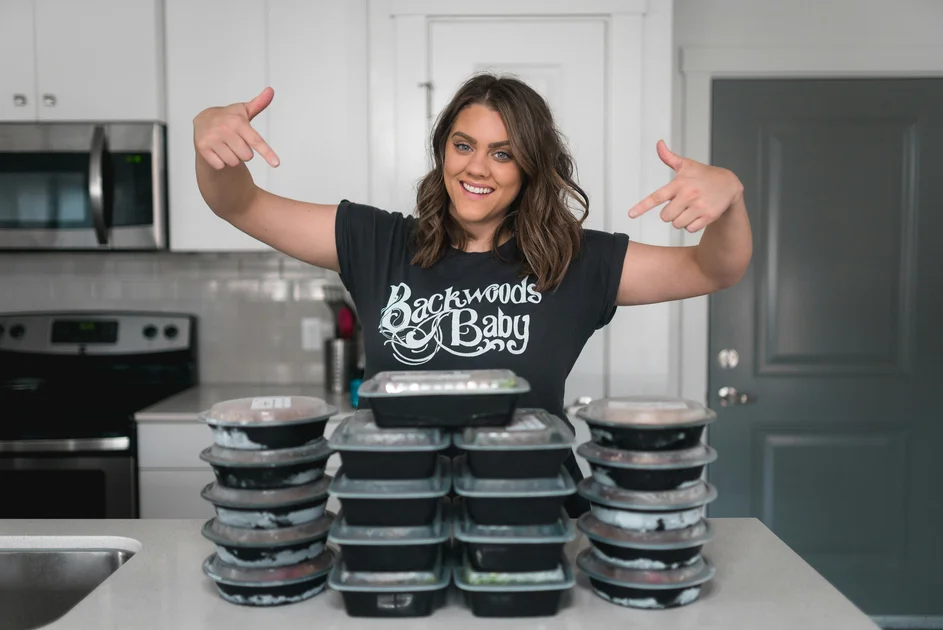

Mastering a monthly freezer-friendly meal plan is the most effective strategy for reclaiming your time and stabilizing your household budget in 2026. By shifting from reactive, daily cooking to a proactive, batch-oriented system, you eliminate the mental fatigue associated with the persistent question of what to eat. This authoritative guide details the precise methodology required to streamline your kitchen operations, minimize food waste, and leverage economies of scale. When you approach food preparation with a logistical mindset, you transform the kitchen from a source of daily stress into a high-efficiency hub that supports your health and financial goals. Implementing these professional techniques ensures that you always have nutritious, chef-quality meals ready to serve, regardless of how demanding your weekly schedule becomes.
Strategic Menu Planning
The foundation of any successful long-term food preservation strategy begins with meticulous menu selection. In 2026, the most effective approach involves choosing recipes that maintain structural integrity during the freezing and reheating processes, such as stews, casseroles, and hearty legume-based dishes. Focus your efforts on modular cooking where individual components, like shredded proteins or base sauces, serve as the building blocks for multiple distinct dinners. This versatility prevents flavor fatigue while significantly reducing your active time in the kitchen.
- The Guide to Bulk Seasonal Produce: Save Money and Eat Healthier This Year
- 10 Genius Ways to Transform Leftovers Into Budget-Friendly Lunches
- Batch Cooking Like a Pro: Freeze & Reheat Meals Without Losing Flavor
- Extreme Budget Meal Planning: Full Week Guide Under Tight Income
- Zero Waste Meal Prep: Creative Leftover Recipes for a Sustainable Week
Once you have selected your recipes, categorize them by cooking method to optimize your workflow. Grouping items that require similar oven temperatures or stovetop durations allows for parallel processing, which is a hallmark of professional catering. Consult resources like the USDA Food Safety and Inspection Service for updated guidelines on proper cooling and storage techniques to maintain peak quality throughout the month. By planning your menu around seasonal availability and bulk purchasing opportunities, you can further reduce your grocery expenditures while ensuring the highest nutritional density for every meal prepared.
Advanced Bulk Procurement
Efficiently organizing a monthly freezer-friendly meal plan requires a shift toward bulk procurement strategies. Rather than purchasing ingredients for individual recipes, analyze your master list to identify common denominators such as onions, garlic, aromatics, and proteins. Buying these staples in large quantities from wholesale distributors or local farmers markets drastically lowers the per-unit cost. In 2026, many households are utilizing shared neighborhood buying groups to access even deeper discounts on organic produce and ethically sourced meats, which elevates the quality of the ingredients without inflating the total budget.
Storage management is equally critical when dealing with large volumes of food. Invest in high-quality, reusable silicone bags or vacuum-sealing systems to prevent freezer burn, which is the primary enemy of food quality. Label every package with the date of preparation and a clear description of the contents to ensure a first-in, first-out rotation system. This organizational discipline prevents the accumulation of forgotten items at the back of your freezer, ensuring that your inventory remains fresh, accessible, and aligned with your nutritional objectives throughout the entire month.
Optimizing Freezing Logistics
Temperature Control and Safety
Understanding the thermodynamics of your freezer is essential for maintaining food safety and texture. Rapid cooling is the most critical phase; placing hot food directly into the freezer can raise the ambient temperature of the appliance, potentially compromising the safety of other stored items. Always allow cooked meals to reach room temperature before sealing them into portions, or use an ice bath to accelerate the cooling process. Ensuring that your freezer maintains a constant temperature of zero degrees Fahrenheit or below is vital for long-term storage, as this inhibits the growth of microorganisms and preserves vitamin content.
Maximize your spatial efficiency by freezing liquids in flat, uniform shapes that can be stacked like books. This method, often referred to as vertical storage, significantly increases the amount of food you can fit into a limited footprint while making individual portions much easier to retrieve. Avoid overstuffing the appliance, as adequate airflow is necessary for the freezer to function at peak efficiency. By maintaining a clean, well-organized, and properly ventilated environment, you extend the lifespan of your appliance and ensure that every meal you prepare retains its intended flavor profile and nutritional value.
Quick Facts & Statistical Insights
Research from 2026 indicates that households utilizing structured monthly meal prep reduce their weekly grocery spending by an average of 22 percent compared to those shopping without a plan. Industry data shows that properly frozen meals retain over 90 percent of their original micronutrient content for up to three months. Furthermore, consistent batch cooking reduces domestic food waste by approximately 15 pounds per month per household, contributing to both environmental sustainability and significant annual savings.
Comparison Table / Specifications Table
| Feature | Option A | Option B | Option C |
|---|---|---|---|
| Storage Method | Silicone Bags | Glass Containers | Vacuum Sealing |
| Space Efficiency | Excellent | Moderate | Superior |
| Cost Per Unit | Low | High | Medium |
| Durability Level | High | Moderate | Maximum |
| Stacking Ability | Perfect | Limited | Excellent |
| Reusable Nature | Yes | Yes | No |
Workflow Efficiency Tactics
Transitioning to a high-output kitchen requires adopting a professional mise-en-place philosophy. Before you begin your monthly prep session, ensure that every ingredient is chopped, measured, and ready for deployment. This preparation stage prevents the chaotic multitasking that often leads to errors or wasted time. By dedicating a single day to deep-prep, you create a rhythm that is far more efficient than cooking isolated meals throughout the week. Leveraging modern kitchen appliances, such as high-capacity pressure cookers or induction burners, can further accelerate the cooking phase and improve consistency across your batch-prepared dishes.
Incorporate a systematic cleanup process into your workflow to maintain order. Use a “clean as you go” approach, where tools are washed or placed in the dishwasher the moment they are no longer needed. This practice keeps your counter space clear, reduces the overwhelming pile of dishes at the end of the session, and maintains a sanitary environment. By the time the final container is sealed and labeled, your kitchen should be nearly as clean as when you started. This professional habit ensures that your meal-prep days remain sustainable and enjoyable rather than becoming an exhausting chore.
Key Takeaways
- Plan your monthly menu around versatile base ingredients to ensure flavor variety.
- Prioritize rapid cooling techniques to maintain food safety and structural integrity.
- Use vacuum sealing to eliminate air contact and prevent freezer burn effectively.
- Implement a first-in, first-out rotation system to maximize inventory freshness.
- Organize your freezer with vertical storage to improve accessibility and capacity.
- Adopt a mise-en-place workflow to streamline cooking and cleanup operations.
Frequently Asked Questions
How long can frozen meals stay fresh?
Most properly sealed cooked meals maintain optimal quality for three to four months in a standard freezer, though they remain safe to eat indefinitely if kept at zero degrees Fahrenheit.
What foods should I avoid freezing?
Avoid freezing high-water-content vegetables like raw lettuce or cucumbers, as well as dairy-heavy sauces that may separate or cream-based soups that can develop a grainy texture upon thawing.
How do I prevent freezer burn?
Freezer burn occurs when air reaches the surface of food; prevent this by removing as much air as possible using vacuum sealers or by pressing airtight bags flat before sealing.
Can I safely reheat frozen meals?
Yes, you can reheat directly from frozen in a microwave or oven, though thawing overnight in the refrigerator provides the most even heating results and superior texture for complex dishes.
Does batch cooking actually save money?
Yes, batch cooking saves money by allowing you to purchase ingredients in bulk, reducing the frequency of impulse supermarket visits, and significantly lowering the amount of food discarded due to spoilage.
Conclusion
Adopting a monthly freezer-friendly meal plan is a transformative step toward a more organized, economical, and healthy lifestyle in 2026. By dedicating time to strategic planning and professional-grade storage techniques, you remove the daily friction of decision fatigue and reactive cooking. This system not only safeguards your budget against rising food costs but also ensures that you have high-quality, home-cooked nourishment available at a moment’s notice. Embrace these expert methodologies to reclaim your time, master your kitchen, and enjoy the profound peace of mind that comes with being fully prepared for the month ahead.