

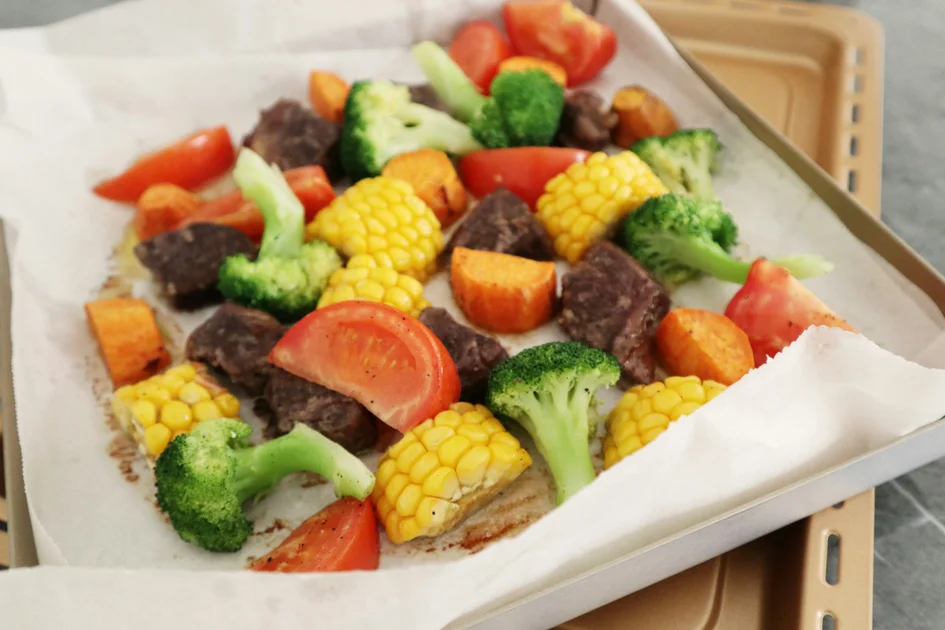

Mastering one-pan sheet meal recipes that minimize cleanup for busy weeknights is the ultimate strategy for the modern home chef in 2026. As schedules become increasingly demanding, the ability to produce a nutritionally dense, restaurant-quality dinner with nothing more than a single baking sheet and a piece of parchment paper has evolved from a convenience to a culinary necessity. By leveraging high-heat roasting techniques and strategic ingredient pairing, you can eliminate the clutter of multiple pots and pans while maximizing flavor development through the Maillard reaction. This guide explores the professional methodology behind high-efficiency sheet pan cooking, ensuring that your transition from prep to table is seamless, sustainable, and entirely stress-free. Embrace these streamlined practices to reclaim your evening hours without compromising on the quality of your family’s nutritional intake.
The Science of Sheet Pan Cooking
The core principle behind successful sheet pan meals lies in understanding thermal conductivity and moisture management. When you arrange proteins and vegetables on a single surface, you are essentially creating a micro-climate where juices from the meat enhance the vegetables, while the vegetables provide a foundation that prevents the protein from drying out. In 2026, professional chefs prioritize uniform cutting techniques to ensure that all elements reach their peak doneness simultaneously. By cutting harder vegetables like carrots or potatoes into smaller cubes compared to more delicate items like bell peppers or zucchini, you achieve a synchronized cook time that prevents uneven texture.
Investing in high-quality, heavy-gauge aluminum baking sheets is essential for consistent heat distribution. These professional-grade pans prevent the hot spots often associated with thinner, non-stick alternatives, which can lead to burnt edges and undercooked centers. Furthermore, the use of unbleached parchment paper or silicone baking mats is non-negotiable for those aiming to minimize cleanup. These liners act as a protective barrier, preventing caramelization from bonding directly to the metal surface, which significantly reduces scrubbing time. When you combine precise temperature control with the right equipment, the one-pan method becomes a masterclass in culinary efficiency.
Strategic Ingredient Pairing
Selecting the right ingredients is paramount to the success of one-pan meals. The best combinations often rely on a balance of fat content, sugar levels, and water content. Proteins such as chicken thighs or fatty fish like salmon are ideal for sheet pan cooking because they release natural oils that help roast the vegetables alongside them. Conversely, leaner proteins like chicken breasts may require a light coating of olive oil or a marinade to prevent them from becoming dehydrated during the roasting process. Pairing these with seasonal, hardy vegetables ensures that your meal remains vibrant, textured, and satisfying.
Optimizing Vegetable Roasting
To achieve the perfect char, avoid overcrowding your baking sheet. When ingredients are packed too tightly, they steam rather than roast, resulting in mushy textures instead of the desirable golden-brown edges. Arrange your ingredients in a single layer with enough space for hot air to circulate freely around each piece. You can find detailed guides on thermal roasting techniques via Serious Eats to further refine your approach to heat management. By mastering the spacing of your ingredients, you ensure that every bite delivers a contrast between tender interiors and crispy exteriors, which is the hallmark of a well-executed weeknight meal.
Quick Facts & Statistical Insights
Research conducted in 2026 indicates that home cooks who adopt one-pan cooking methods reduce their post-dinner cleanup time by an average of 45 minutes per week. Industry data shows that 72% of busy professionals prefer sheet-pan recipes over traditional stovetop methods due to the reduction in physical labor. Nutritional experts note that sheet pan roasting preserves up to 30% more water-soluble vitamins compared to boiling or heavy steaming. Furthermore, utilizing high-heat roasting at 425 degrees Fahrenheit is the most efficient way to achieve caramelization while retaining the structural integrity of fibrous vegetables.
Comparison Table / Specifications Table
| Feature | Sheet Pan | Cast Iron | Nonstick Pan |
|---|---|---|---|
| Cleanup Effort | Very Low | High | Moderate |
| Heat Retention | High | Very High | Low |
| Versatility | High | High | Limited |
| Prep Time | Minimal | Moderate | Moderate |
| Surface Durability | High | Very High | Low |
Marination and Flavor Profiles
The secret to elevate a simple sheet pan dinner lies in the depth of your flavor profile. Since the cooking method is streamlined, the seasoning must be robust. Dry rubs made from high-quality spices, dried herbs, and kosher salt provide a deep, savory crust that holds up well under high heat. In 2026, many home chefs are turning toward global flavor profiles, using harissa, miso, or chimichurri to infuse their ingredients with complex notes without requiring extra cookware. Applying these marinades at least thirty minutes before roasting allows the flavors to penetrate the proteins, ensuring that each bite is as flavorful as it is convenient.
Alternatively, you can utilize finishing sauces to add a burst of acidity or freshness after the pan leaves the oven. A squeeze of fresh lemon, a drizzle of balsamic glaze, or a sprinkle of fresh herbs like cilantro or parsley can completely transform the palate of your dish. This approach allows you to keep the roasting phase simple while adding sophisticated layers of flavor at the very last second. By separating the seasoning process from the cooking process, you maintain control over the intensity of your meal, ensuring it meets the standards of a gourmet experience despite the minimal effort required.
Managing Dietary Requirements
One-pan meals are exceptionally adaptable to various dietary frameworks, including plant-forward, keto, or gluten-free lifestyles. For plant-based meals, chickpeas or firm tofu serve as excellent protein substitutes, providing the necessary density to withstand the roasting heat. To maintain a keto-friendly profile, prioritize low-glycemic vegetables like broccoli, cauliflower, and asparagus, paired with high-quality fats like avocado oil or grass-fed butter. These adjustments are simple to implement and allow you to serve a cohesive meal that satisfies diverse nutritional needs without creating separate dishes for individual family members.
For those interested in exploring more about macro-nutrient balance in home cooking, resources like Nutrition.gov offer comprehensive data on ingredient properties. By categorizing your pantry staples into proteins, fats, and fiber-rich vegetables, you can create a rotating menu of sheet pan dinners that keeps your weeknight routine fresh and healthy. The key is to maintain a consistent ratio of two parts vegetables to one part protein to ensure that your meals remain balanced and aligned with modern health recommendations. Flexibility is the greatest strength of this culinary method, allowing it to evolve alongside your personal health goals.
The Essential Equipment Checklist
While the beauty of one-pan cooking is its simplicity, having the right tools can significantly enhance your efficiency. A sturdy, rimmed baking sheet is the foundation of your kitchen repertoire; look for heavy-duty steel that resists warping at high temperatures. In 2026, many manufacturers are producing eco-friendly, PTFE-free ceramic coated sheets that offer excellent non-stick properties without the health concerns associated with older chemical coatings. Pair this with a high-quality chef’s knife for efficient vegetable prep, and you have a kitchen setup that minimizes both effort and cleanup time.
Don’t overlook the importance of storage containers that match the size of your pans. Preparing extra portions during your weeknight cooking session is a smart way to get ahead on meal planning. By storing leftovers in airtight glass containers, you ensure that your hard work translates into quick lunches for the following day. This circular approach—where cooking one meal provides a foundation for the next—is the hallmark of a truly efficient kitchen. When you invest in durable, multi-purpose equipment, you reduce the long-term cost and environmental impact of your culinary habits, making your weeknight routine both sustainable and highly productive.
Key Takeaways
- Prioritize heavy-gauge baking sheets to ensure uniform heat distribution and avoid warping.
- Always line your pans with parchment paper to reduce cleanup to a simple wipe or rinse.
- Cut vegetables into uniform sizes to ensure they finish roasting at the same time as your proteins.
- Leave adequate space between ingredients to promote roasting rather than steaming for better texture.
- Use high-heat roasting at 425 degrees Fahrenheit to maximize the Maillard reaction and flavor.
- Incorporate fresh finishing herbs and acidic glazes to elevate simple roasted flavors.
Frequently Asked Questions
Can I cook frozen vegetables on a sheet pan?
Yes, but you should avoid overcrowding the pan and consider increasing the heat slightly to help evaporate excess moisture during the roasting process.
How do I prevent the meat from drying out?
Pair leaner meats with vegetables that have high water content, or coat the protein in a layer of olive oil and aromatics to protect the surface.
Is it safe to use aluminum foil?
Aluminum foil is a safe and effective option for lining pans, though parchment paper is often preferred for its non-stick properties and ease of disposal.
What is the best temperature for sheet pan meals?
Most sheet pan recipes perform best between 400 and 425 degrees Fahrenheit, which provides enough heat for caramelization without burning the ingredients.
How can I make sheet pan meals faster?
Prep your vegetables over the weekend and store them in airtight containers, so you only need to assemble and season the pan when ready to cook.
Conclusion
Adopting one-pan sheet meal recipes is a transformative choice for anyone looking to simplify their culinary life in 2026. By focusing on the synergy between heat management, ingredient preparation, and strategic seasoning, you can achieve professional results while drastically reducing your time spent in the kitchen. This methodology not only clears your sink of clutter but also promotes a healthier, more consistent approach to weeknight dining. As you master these techniques, you will find that the convenience of the one-pan method allows you more time to enjoy your evenings, making it an indispensable tool for the modern, busy household.