

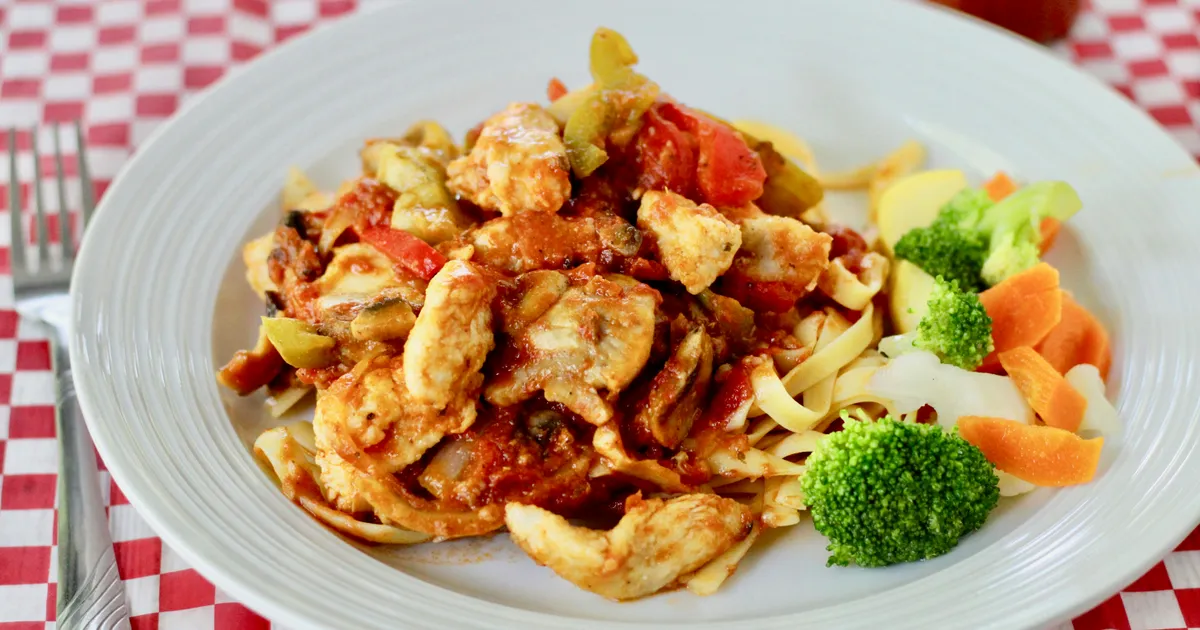

I remember a time, not so long ago, when staring into an almost empty fridge felt like a daily challenge, especially with two growing kids whose appetites seemed to double every week. The pressure to provide nutritious, delicious meals without breaking the bank was real, and it’s a struggle I know many families face. But what if I told you that feeding a family of four on a budget doesn’t have to mean sacrificing flavor, variety, or your sanity? Over the years, I’ve honed a treasure trove of cheap dinner recipes for family of 4 on a budget that not only please discerning palates but also keep your grocery bill delightfully low. It’s about smart planning, savvy shopping, and a dash of culinary creativity that I’m excited to share with you today.
Mastering the Art of Meal Planning
The single most impactful step you can take towards significantly reducing your food budget is embracing thoughtful meal planning. This isn’t just about listing meals; it’s about strategizing your week to minimize waste and maximize every ingredient. Start by reviewing your pantry and fridge to see what needs to be used up, then build meals around those items. Next, check weekly grocery flyers for sales on staples like chicken thighs, ground beef, or seasonal vegetables. By aligning your meal plan with current sales, you can easily shave dollars off your bill. I always aim for a plan that incorporates versatile ingredients across multiple meals, transforming leftover roasted chicken into tacos or soup, for instance.
- The Ultimate Guide to Building Versatile, Customizable Vegetarian Grain Bowls
- 30-Minute Mediterranean Chicken Dinner: The Ultimate Weeknight Recipe Guide
- 10 Easy One-Pan Sheet Meal Recipes for Stress-Free Weeknights
- Quick & Healthy One-Pan Chicken Dinner Recipes
- Quick & Easy Rice Dinners: Simple Recipes for Busy Nights
Beyond just saving money, effective meal planning also saves precious time and mental energy during busy weekdays. Imagine knowing exactly what’s for dinner each night, with ingredients already on hand. This eliminates those desperate, last-minute takeout orders that quickly derail any budget-conscious effort. Furthermore, it allows you to incorporate a wider variety of nutrients and flavors into your family’s diet, preventing mealtime monotony. For a family of four, planning for 5-7 dinners, plus accounting for lunch leftovers, can be a game-changer for both your wallet and your peace of mind, making healthy, affordable eating a sustainable habit for 2026 and beyond.
The Savvy Shopper’s Secret Weapon
Once your meal plan is solid, your next critical tool is a meticulously crafted grocery list. This isn’t merely a checklist; it’s your defense against impulse buys and forgotten necessities. Stick to your list religiously, and avoid shopping when hungry, which is a common pitfall leading to unnecessary purchases. Compare unit prices, especially on bulk items like rice, pasta, or beans, which often offer significant savings. Consider shopping at discount grocers or ethnic markets for spices and produce, where prices can be considerably lower. Remember, every little saving adds up, contributing to substantial overall budget cuts.
Embracing Pantry Powerhouses
Your pantry is a goldmine for budget-friendly meals, often overlooked in the quest for fresh ingredients. Staples like dried pasta, rice, lentils, canned beans, and frozen vegetables are incredibly versatile, cost-effective, and have a long shelf life. Learning to build meals around these items can dramatically reduce your grocery spending. Think about hearty lentil soups, black bean burgers, or pasta dishes bulked up with frozen peas and corn. These ingredients are not only cheap but also packed with nutrients, ensuring your family gets a well-rounded meal without the premium price tag. I always keep a well-stocked pantry as my emergency meal solution.
One of my favorite tricks is to transform humble pantry staples into something truly extraordinary. A simple can of crushed tomatoes, for instance, can become the base for a rich pasta sauce, a vibrant shakshuka, or even a component in a chili. The key is to see these items not just as ingredients, but as building blocks for endless culinary possibilities. Pairing them with a few fresh, inexpensive additions like onions, garlic, or carrots can elevate a basic meal into a flavorful feast. This approach allows you to create delicious and cheap dinner recipes for family of 4 on a budget, proving that gourmet doesn’t have to mean expensive.
Creative Uses for Budget Proteins
Protein is often the most expensive component of any meal, but there are plenty of wallet-friendly options that don’t skimp on nutrition or flavor. Chicken thighs, for example, are significantly cheaper than breasts and offer more flavor due to their higher fat content. Ground meats (beef, pork, turkey) are incredibly versatile for dishes like tacos, casseroles, and meatballs, and can often be stretched further with fillers like breadcrumbs or lentils. Don’t overlook eggs, either; they’re a protein powerhouse perfect for frittatas, scrambles, or even a quick dinner omelet, offering complete protein at a fraction of the cost of meat.
Beyond conventional meats, plant-based proteins are your best friends when budgeting. Lentils, chickpeas, and various beans are remarkably affordable, packed with fiber and protein, and can be used in countless ways. Think about hearty bean chilis, lentil curries, or chickpea salad sandwiches. Tofu and tempeh are also excellent, inexpensive sources of protein that absorb flavors beautifully, making them ideal for stir-fries or baked dishes. Integrating these budget proteins into your weekly rotation is a smart move not just for your wallet, but also for adding diverse nutrients and exciting new flavors to your family’s diet, keeping meals fresh for 2026.
Maximizing Vegetables and Seasonal Eating
Vegetables are essential for a healthy diet, and buying them strategically can save a significant amount. Always prioritize seasonal produce, as it’s typically more abundant, fresher, and therefore cheaper. Farmers’ markets can be excellent sources for seasonal bargains, especially towards the end of the day. Don’t shy away from frozen vegetables either; they are picked at their peak freshness and flash-frozen, locking in nutrients and often costing less than their fresh counterparts, especially out of season. Frozen broccoli, spinach, and mixed vegetables are staples in my freezer for quick additions to any meal.
Another smart strategy is to make vegetables the star of your meal rather than just a side dish. Hearty vegetable stews, robust minestrone soups, or vibrant stir-fries can be incredibly satisfying and cost-effective. Learning to utilize the entire vegetable, from root to leaf, also contributes to savings and reduces food waste. For example, broccoli stems can be peeled and chopped into stir-fries, and carrot tops can sometimes be used for pesto. This mindful approach to vegetables not only stretches your budget but also encourages creative cooking and a healthier diet, proving that eating well doesn’t require a lavish budget.
Batch Cooking and Smart Leftovers
The concept of cooking once and eating twice (or thrice!) is a cornerstone of budget-friendly family eating. Dedicate a few hours on a weekend to prepare larger quantities of staple components like cooked grains (rice, quinoa), roasted vegetables, or a big batch of chili or soup. These can then be easily repurposed throughout the week into different meals, saving time and energy on busy evenings. For instance, a large batch of shredded chicken can become fillings for tacos, a topping for salads, or mixed into pasta sauce, offering variety from a single cooking session.
Embracing leftovers isn’t just about reheating; it’s about reimagining. A leftover roast chicken can become chicken salad sandwiches the next day, or the bones can be simmered for a rich stock. Leftover rice can be transformed into fried rice or a base for a quick burrito bowl. This approach significantly reduces food waste, which is a huge drain on household budgets. By planning for intentional leftovers and getting creative with their transformation, you’ll find that feeding your family of four on a budget becomes much more manageable and delicious. For more budget-friendly ideas, I often browse sites like Budget Bytes for inspiration.
Key Takeaways
- Strategic Meal Planning is Paramount: Dedicate time each week to plan meals based on pantry inventory and sales flyers. This proactive step prevents impulse buys, minimizes food waste, and ensures you always have ingredients on hand for delicious, cheap dinner recipes.
- Leverage Pantry Staples and Budget Proteins: Incorporate affordable ingredients like rice, pasta, beans, lentils, chicken thighs, and eggs as the foundation of your meals. These provide excellent nutrition and versatility without a hefty price tag, making them essential for a family of four on a budget.
- Embrace Seasonal and Frozen Produce: Prioritize buying fruits and vegetables that are in season, and don’t underestimate the value of frozen options. Both are cost-effective ways to ensure your family receives vital nutrients without overspending.
- Master Batch Cooking and Creative Leftovers: Cook larger quantities of versatile ingredients and plan to repurpose leftovers into new dishes. This not only saves time during busy weekdays but also significantly reduces food waste, stretching your grocery dollars further. You can find many inspiring ideas on sites like Allrecipes.
Frequently Asked Questions
How can I make healthy meals on a budget without sacrificing flavor?
The secret lies in smart seasoning and cooking techniques. Utilize herbs, spices, and aromatics like garlic and onions generously to build deep flavors. Roasting vegetables brings out their natural sweetness, and slow cooking tougher, cheaper cuts of meat can make them incredibly tender and flavorful. Don’t be afraid to experiment with different cuisines that naturally use affordable ingredients, like Mexican, Indian, or Italian dishes.
What are some quick, cheap dinner recipes for family of 4 on a budget for busy weeknights?
Sheet pan dinners are a lifesaver; just chop vegetables, add a protein like sausage or chicken thighs, season, and roast. Pasta dishes with canned tomatoes and frozen veggies come together in minutes. Quesadillas or scrambled eggs with toast are also incredibly fast, cheap, and satisfying. The key is minimal prep and cooking time, often relying on pantry staples.
How can I reduce food waste to save more money?
Start by planning meals carefully to use up ingredients you already have. Store food properly to extend its shelf life, and get creative with leftovers instead of throwing them out. Freezing portions of meals or individual ingredients (like half an onion or extra herbs) can prevent spoilage. Composting scraps is also an excellent way to reduce waste while benefiting your garden, if you have one.
Is it really possible to feed a family of 4 on a tight budget without eating the same thing every day?
Absolutely! The key is variety within your budget. Focus on versatile base ingredients (rice, pasta, beans) and rotate different proteins, vegetables, and seasoning profiles. For example, chicken can be used in stir-fries, curries, roasted dishes, or tacos. By changing up the flavors and preparations, you can create a diverse menu that keeps meals exciting without breaking the bank.
Conclusion
Feeding a family of four on a budget is more than just a necessity; it’s an opportunity to cultivate creativity in the kitchen, reduce waste, and build healthier eating habits. By adopting strategies like meticulous meal planning, embracing pantry powerhouses, leveraging affordable proteins, and maximizing seasonal produce, you can create a wealth of delicious, cost-effective meals. Remember, every small change contributes to significant savings, proving that you don’t need a lavish budget to enjoy nourishing and flavorful dinners. Here’s to a more delicious and financially savvy 2026!