



Finding family friendly healthy dinner recipes that kids will actually enjoy can feel like a daunting task. Balancing nutritional needs with picky eaters requires creativity and a strategic approach. The key lies in incorporating kid-approved flavors and textures while sneaking in those essential nutrients, ensuring that dinner time is a success for everyone at the table. By focusing on simple, delicious meals, parents can create positive and healthy eating habits that will last a lifetime.
Embracing Nutrient-Packed Veggies in Disguise
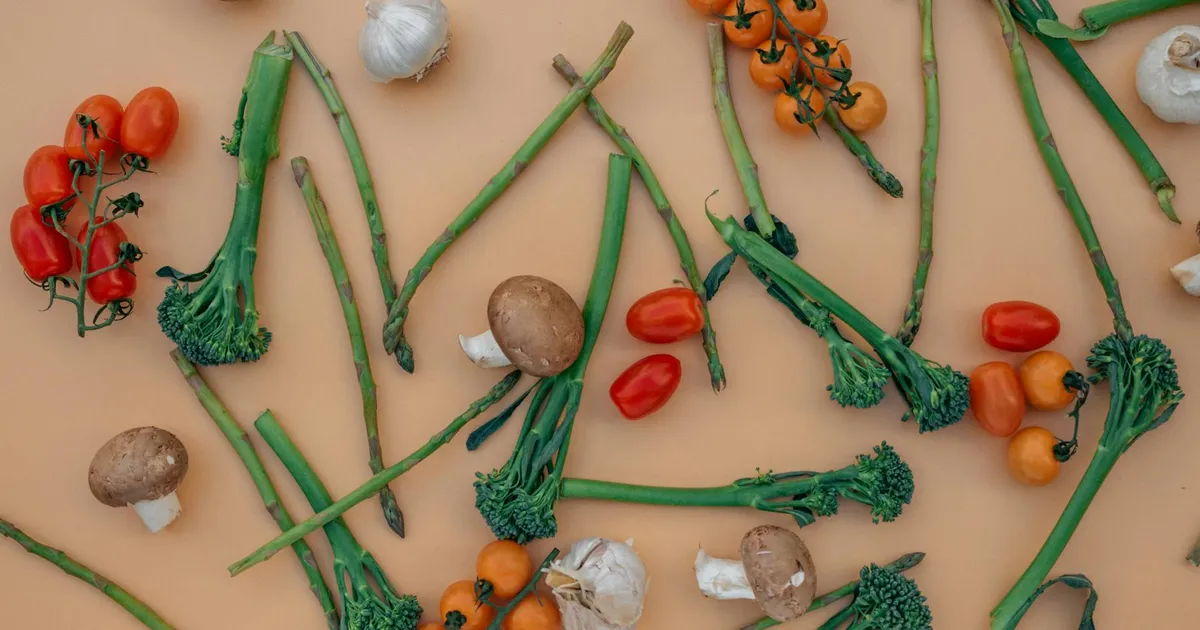
Getting children to eat their vegetables often involves a little bit of creativity. One effective strategy is to “hide” finely chopped or pureed vegetables in dishes they already love. For instance, adding pureed carrots or spinach to pasta sauce can boost the nutritional content without significantly altering the taste or texture. Similarly, zucchini can be grated into muffins or bread, providing added moisture and vitamins without being noticed by discerning young palates, according to research conducted by the Academy of Nutrition and Dietetics. This method allows for a subtle increase in vegetable intake, promoting a more balanced diet without the dinner table battles.
- Easy 3-Ingredient Almond Flour Peanut Butter Cookies: The Best Quick Recipe
- Easy Greek Yogurt Fruit Popsicles: A Refreshing Healthy Treat for Summer
- How to Bake a Decadent Flourless Dark Chocolate Cake: The Best Healthy Recipes
- Healthy Comfort Food: Easy Low-Calorie Dinner Recipes
- Lazy Night Dinners: Quick & Easy Recipes with Minimal Ingredients
Another clever approach involves transforming vegetables into fun and appealing shapes. Cutting vegetables into stars, hearts, or other playful forms can make them more enticing for children. Serving steamed broccoli florets with a light cheese sauce or a yogurt-based dip can also encourage kids to try them. By presenting vegetables in an enjoyable way, parents can overcome the common aversion to greens and foster a more positive relationship with healthy foods. Incorporating colorful vegetables like bell peppers, cherry tomatoes, and cucumbers into meals can also increase their visual appeal and make them more attractive to young diners, aligning with guidelines from the American Heart Association for healthy eating habits.
Sneaking Veggies into Familiar Favorites
Sometimes, the best way to get kids to eat vegetables is to incorporate them into foods they already enjoy. Adding shredded vegetables like carrots, zucchini, or spinach to meatloaf, burgers, or quesadillas can boost the nutritional content without drastically changing the flavor profile. These additions can often go unnoticed, especially if the vegetables are finely chopped or grated. This approach is particularly effective because it leverages existing preferences, making it easier to introduce new nutrients into a child’s diet without resistance. Studies have demonstrated that even small increases in hidden vegetable intake can have a significant impact on overall health and well-being.
Prioritizing Lean Protein Sources
Lean protein is essential for growing children, aiding in muscle development, immune function, and overall health. Chicken, turkey, fish, beans, and lentils are all excellent sources of lean protein that can be incorporated into a variety of family-friendly meals. Grilled chicken skewers with colorful vegetables, turkey meatballs in marinara sauce, or baked cod with a side of roasted sweet potatoes are all nutritious and appealing options. Offering a variety of protein sources ensures that children receive a wide range of essential amino acids necessary for healthy growth and development, emphasizing the importance of dietary diversity.
Including plant-based protein sources, such as black beans or chickpeas, can also add variety to a child’s diet. These can be added to soups, stews, or made into fun dips like hummus. Tofu, though sometimes met with skepticism, can be transformed into tasty dishes when prepared correctly. Firm tofu can be baked, stir-fried, or even blended into smoothies for a protein boost. Choosing lean protein sources and incorporating them creatively into meals helps to ensure that children are getting the nutrients they need to support their active lifestyles, aligning with nutritional recommendations from leading health organizations.
Opting for Whole Grains Over Refined Carbs

Choosing whole grains over refined carbohydrates is a simple yet effective way to boost the nutritional value of family meals. Whole grains, such as brown rice, quinoa, whole wheat pasta, and oats, are rich in fiber, vitamins, and minerals, providing sustained energy and supporting healthy digestion. Swapping white bread for whole wheat bread in sandwiches, using brown rice instead of white rice in stir-fries, or choosing whole grain pasta for spaghetti night can make a significant difference in a child’s overall nutrient intake, according to the Dietary Guidelines for Americans.
Experimenting with different whole grains can also help to introduce new flavors and textures into a child’s diet. Quinoa, for example, is a versatile grain that can be served as a side dish, added to salads, or used as a base for grain bowls. Farro is another nutrient-rich grain that has a slightly nutty flavor and chewy texture, making it a great addition to soups or stews. By incorporating a variety of whole grains into meals, parents can ensure that their children are receiving the essential nutrients they need for growth and development, while also expanding their culinary horizons, setting the stage for healthier eating habits in 2026.
Making Meal Prep a Family Affair
Involving children in meal preparation can be a fun and educational way to encourage them to try new foods and develop healthy eating habits. Even young children can participate in simple tasks, such as washing vegetables, stirring ingredients, or setting the table. Older children can take on more responsibility, such as measuring ingredients, chopping vegetables (with supervision), or following a recipe. This active involvement fosters a sense of ownership and pride in the meal, making children more likely to try what they have helped create.
Planning meals together as a family can also be a great way to ensure that everyone’s preferences are taken into account. This could involve brainstorming meal ideas, creating a shopping list, or even visiting a local farmers market to select fresh produce. By involving children in the planning process, parents can teach them about healthy eating and help them make informed choices about the foods they consume. Moreover, cooking together provides valuable bonding time and can create positive associations with food and family, enhancing the overall dining experience.
Crafting Kid-Friendly Versions of Adult Meals
One strategy for introducing children to a wider variety of foods is to adapt adult recipes into kid-friendly versions. This approach involves simplifying complex dishes, reducing spice levels, and focusing on flavors and textures that appeal to children. For example, a spicy chili can be transformed into a milder, kid-friendly version by omitting the chili peppers and adding a touch of sweetness with a spoonful of brown sugar. A sophisticated salad can be adapted by offering a selection of toppings that children can choose from, allowing them to customize their own meal. As detailed by the Mayo Clinic, customized meals can greatly enhance a child’s acceptance of different foods.
Another effective technique is to deconstruct meals, allowing children to assemble their own plates. A deconstructed taco night, for instance, could involve offering a variety of fillings, such as seasoned ground beef, shredded chicken, black beans, cheese, lettuce, tomatoes, and sour cream, allowing children to create their own customized tacos. This approach not only gives children a sense of control over their meals but also encourages them to try new ingredients and combinations. By adapting adult recipes to suit children’s tastes and preferences, parents can expose them to a wider range of flavors and textures, fostering a more adventurous and diverse palate.
Sweet Treats with a Healthy Twist
Desserts can be part of a healthy diet when prepared with nutritious ingredients and served in moderation. Instead of relying on processed sweets filled with refined sugar and unhealthy fats, consider making homemade treats using whole grains, fruits, and natural sweeteners like honey or maple syrup. Baked apples with cinnamon, fruit smoothies with yogurt, or homemade granola bars with oats, nuts, and dried fruit are all delicious and nutritious options. These treats provide essential vitamins, minerals, and fiber, while satisfying a child’s sweet tooth without compromising their health.
Incorporating fruits and vegetables into desserts is also a great way to boost their nutritional value. For example, zucchini bread, carrot cake, or banana muffins are all classic desserts that can be made healthier by using whole wheat flour, reducing the amount of added sugar, and incorporating healthy fats like coconut oil or avocado. Freezing fruit such as bananas, berries, or mangoes can also create delicious and refreshing frozen treats. By experimenting with healthy ingredients and creative recipes, parents can provide their children with satisfying desserts that contribute to their overall health and well-being, proving that it is possible to enjoy treats without compromising nutritional goals, even in 2026.
Key Takeaways

- Sneak vegetables into familiar dishes like pasta sauce and meatloaf.
- Offer a variety of lean protein sources, including chicken, fish, and beans.
- Choose whole grains over refined carbohydrates for added fiber and nutrients.
- Involve children in meal preparation to encourage healthy eating habits.
- Adapt adult recipes into kid-friendly versions with simpler flavors and textures.
- Make homemade desserts with whole grains, fruits, and natural sweeteners.
Frequently Asked Questions

How can I get my picky eater to try new foods?
Introduce new foods gradually, alongside familiar favorites. Offer small portions and avoid pressuring them to finish everything on their plate. Repeated exposure often leads to acceptance, and involving them in meal preparation can also help.
What are some healthy snack options for kids?
Healthy snack options include fruits, vegetables with hummus, yogurt, cheese sticks, whole-grain crackers, nuts, and seeds. These provide essential nutrients and keep kids feeling full and energized between meals.
How can I make dinnertime less stressful?
Plan meals in advance, involve children in the process, and create a positive and relaxed atmosphere at the table. Focus on enjoying each other’s company rather than policing every bite, as recommended by child nutrition experts.
How do I handle dessert?
Offer healthy desserts in moderation, such as fruit, yogurt parfaits, or homemade baked goods made with whole grains and natural sweeteners. Avoid using dessert as a reward or punishment, as this can create unhealthy associations with food.
What if my child refuses to eat anything I make?
It’s normal for children to go through phases of picky eating. Continue offering a variety of healthy foods, even if they refuse them at first. Focus on creating a positive and supportive mealtime environment, and consult with a pediatrician or registered dietitian if you have concerns about their nutritional intake.
Conclusion
Creating healthy and family-friendly dinners doesn’t have to be an overwhelming task. By incorporating simple strategies such as hiding vegetables, prioritizing lean protein, opting for whole grains, involving children in meal preparation, and crafting kid-friendly versions of adult meals, parents can create positive eating habits that will last a lifetime. Remember to be patient, persistent, and to focus on creating a relaxed and enjoyable dining experience for the whole family, ensuring that every meal is a nourishing and connecting experience for everyone involved.