



Embarking on a clean eating lifestyle can be an exciting journey, especially when you focus on balanced macronutrient meals. Understanding the right proportions of proteins, carbohydrates, and fats is crucial for achieving optimal health, weight management, and sustained energy levels. This approach not only supports physical well-being but also promotes a deeper connection with the food you consume. By adopting simple, healthy recipes, beginners can seamlessly integrate clean eating into their daily routines, making it a sustainable and enjoyable practice. This guide will help you navigate the essentials of balanced macronutrient meal planning for a clean eating lifestyle.
Basics of Macronutrients
Macronutrients are the building blocks of our diet, providing the energy needed for various bodily functions. There are three primary macronutrients: proteins, carbohydrates, and fats. Each plays a distinct role in maintaining overall health and well-being. Protein is essential for building and repairing tissues, carbohydrates serve as the primary energy source, and fats are crucial for hormone production and nutrient absorption. Achieving the right balance of these macronutrients in each meal is key to optimizing energy, supporting muscle growth, and promoting overall health. A balanced intake helps regulate blood sugar levels, prevent cravings, and support long-term wellness, according to the Dietary Guidelines for Americans.
- The Guide to Swapping Refined Carbs for High-Fiber Alternatives for Better Energy
- 7 Best Nutrient-Dense Smoothie Recipes for Sustained Midday Energy
- The Guide to Incorporating Fermented Foods for Optimal Gut Health
- Gut-Friendly Probiotic Recipes: Homemade Solutions for Better Digestion
- Anti-Inflammatory Meal Prep for Beginners: Daily Recipes for Natural Healing
Understanding the specific roles of each macronutrient enables individuals to make informed food choices that align with their health goals. For example, athletes may require a higher protein intake to support muscle recovery, while individuals with diabetes need to carefully manage their carbohydrate intake to maintain stable blood sugar levels. Balancing macronutrients is not just about quantity but also about quality. Choosing whole, unprocessed foods ensures that you are getting the most nutrients from each source. Focusing on whole grains, lean proteins, and healthy fats, like those found in avocados and nuts, can dramatically improve the nutritional value of your meals. Harvard’s School of Public Health offers valuable resources on understanding macronutrients.
Crafting Balanced Meal Recipes

Creating balanced meal recipes involves carefully selecting ingredients that provide the right proportions of proteins, carbohydrates, and fats. A simple approach is to divide your plate into sections: one-quarter for protein, one-quarter for carbohydrates, and one-half for vegetables, which are rich in vitamins, minerals, and fiber. This visual guideline helps ensure that each meal contains the necessary nutrients. Emphasizing whole, unprocessed foods is crucial for maximizing the health benefits of your meals. This also helps in avoiding empty calories and unhealthy additives that can derail your clean eating efforts.
Consider a recipe like grilled chicken breast with quinoa and steamed broccoli. The chicken provides a lean source of protein, quinoa offers complex carbohydrates and fiber, and broccoli is packed with essential vitamins and minerals. Another example is a salmon fillet with brown rice and roasted asparagus. Salmon is rich in omega-3 fatty acids, brown rice provides sustained energy, and asparagus is a nutrient-dense vegetable. These recipes showcase how to combine different food groups to create balanced, flavorful meals that support your health goals. For more recipe ideas, resources such as the Mayo Clinic’s healthy recipes can provide further inspiration.
Tips for Meal Planning
Effective meal planning is essential for maintaining a balanced diet and sticking to your healthy eating goals. Start by dedicating a specific time each week to plan your meals for the upcoming days. This helps you avoid impulsive food choices and ensures you have the necessary ingredients on hand. Another helpful tip is to create a shopping list based on your meal plan to avoid unnecessary purchases and stay focused on your nutritional needs. Preparing meals in advance, such as on a Sunday for the week ahead, can save time and reduce the temptation to opt for less healthy options during busy weekdays. This approach also allows for better portion control and ensures that you are consuming balanced meals consistently. Consider using meal planning apps and templates to streamline the process and stay organized.
Sample Balanced Meal Ideas
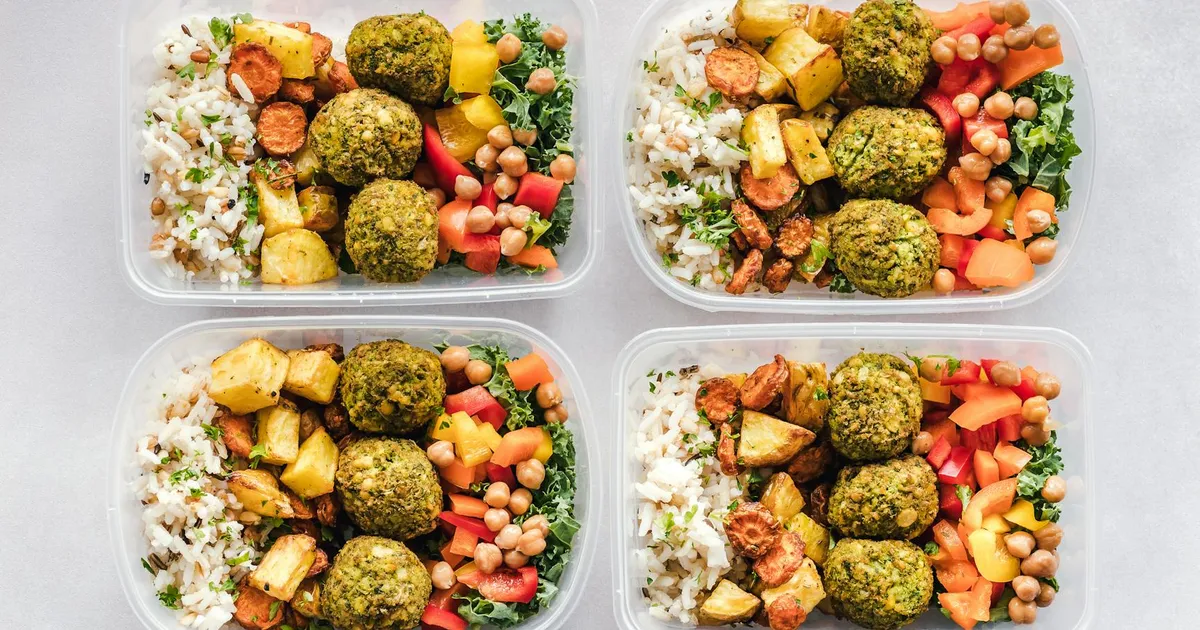
For breakfast, a balanced option could be Greek yogurt with berries and a sprinkle of nuts. Greek yogurt is high in protein, berries provide antioxidants and fiber, and nuts offer healthy fats. Another option is an omelet with spinach, mushrooms, and a side of whole-wheat toast. Eggs are a complete protein source, spinach and mushrooms add essential nutrients, and whole-wheat toast provides complex carbohydrates. These breakfast ideas set the tone for a healthy and energized day, supporting overall well-being. Start your day right to maintain energy levels and focus on your nutritional goals, as supported by research from the National Institutes of Health.
Lunch could consist of a large salad with grilled chicken or chickpeas, mixed greens, and a light vinaigrette dressing. This meal provides a good balance of protein, carbohydrates, and healthy fats. For dinner, consider a baked sweet potato with black beans, salsa, and avocado. Sweet potatoes are rich in vitamins and fiber, black beans are a great source of protein, and avocado provides healthy fats. These meal ideas emphasize the importance of incorporating a variety of whole foods from different food groups to ensure you are getting all the necessary nutrients for optimal health in 2026.
Navigating Dietary Needs
Individuals with specific dietary needs, such as vegetarians, vegans, or those with food allergies, can still create balanced macronutrient meals. Vegetarians and vegans should focus on plant-based protein sources like lentils, beans, tofu, and tempeh. Combining these protein sources with whole grains and healthy fats ensures a complete and balanced meal. For example, a lentil soup with whole-grain bread and a side salad can provide all the necessary nutrients. Individuals with food allergies or intolerances need to be diligent about reading food labels and avoiding trigger ingredients. Substitutions can be made using alternative ingredients that cater to their specific dietary needs, provided by organizations like the Academy of Nutrition and Dietetics.
Those managing diabetes should focus on controlling carbohydrate intake to maintain stable blood sugar levels. Choosing low-glycemic index (GI) carbohydrates, such as non-starchy vegetables, whole grains, and legumes, can help prevent spikes in blood sugar. Portion control and balancing carbohydrates with protein and healthy fats are also critical. Consulting with a registered dietitian or certified diabetes educator can provide personalized guidance on meal planning and dietary management. It’s important to tailor dietary choices to individual health conditions for optimal outcomes in 2026.
Tracking Macronutrient Intake

Tracking macronutrient intake can be a valuable tool for understanding your eating habits and making informed choices about your diet. There are several apps and websites available that allow you to log your food intake and calculate the macronutrient content of each meal. This can help you identify areas where you may be falling short or exceeding your needs. For instance, you might discover that you are not consuming enough protein or that your carbohydrate intake is too high. By tracking your macronutrient intake, you can make necessary adjustments to your diet to achieve a better balance.
However, it is important to approach macronutrient tracking with a balanced perspective. Focusing too much on numbers can lead to obsessive behaviors and unhealthy relationships with food. The goal is to use tracking as a tool for education and awareness, rather than a rigid set of rules. Listen to your body’s cues and focus on eating whole, unprocessed foods. If you find that tracking is causing you stress or anxiety, consider consulting with a registered dietitian for personalized guidance on mindful eating and intuitive eating practices. This approach ensures a healthy balance between tracking and trusting your body’s natural signals.
Sample Balanced Meal Comparison
| Nutrient | Breakfast (Greek Yogurt, Berries, Nuts) | Lunch (Chicken Salad) | Dinner (Sweet Potato, Black Beans, Avocado) |
|---|---|---|---|
| Protein | High (Greek Yogurt, Nuts) | High (Chicken) | Moderate (Black Beans) |
| Carbohydrates | Moderate (Berries) | Moderate (Salad Greens) | High (Sweet Potato, Black Beans) |
| Fats | Healthy (Nuts) | Healthy (Dressing) | Healthy (Avocado) |
| Fiber | High (Berries) | High (Salad Greens) | High (Sweet Potato, Black Beans) |
Key Takeaways
- Balance macronutrients (proteins, carbs, fats) for optimal health.
- Prioritize whole, unprocessed foods to maximize nutritional benefits.
- Plan meals in advance to stay consistent with healthy eating habits.
- Track macronutrient intake to identify areas for improvement.
- Adjust meal plans to accommodate specific dietary needs.
- Listen to your body’s cues and practice mindful eating.
Frequently Asked Questions
What is the ideal ratio of macronutrients?
The ideal ratio of macronutrients varies depending on individual factors such as activity level, health goals, and metabolic rate. A general guideline is 40% carbohydrates, 30% protein, and 30% fats. However, some individuals may benefit from a different ratio based on their specific needs. Consulting with a registered dietitian can provide personalized recommendations.
How can I make sure I’m getting enough protein on a vegetarian diet?
Vegetarians can obtain sufficient protein from plant-based sources such as lentils, beans, tofu, tempeh, quinoa, and nuts. Combining different protein sources throughout the day ensures you are getting all the essential amino acids.
Are all fats created equal?
No, some fats are healthier than others. Focus on incorporating healthy fats such as monounsaturated and polyunsaturated fats from sources like avocados, nuts, seeds, and olive oil. Limit saturated and trans fats, which are found in processed foods and animal products.
Can I still eat my favorite foods while clean eating?
Yes, you can still enjoy your favorite foods in moderation while clean eating. The key is to focus on whole, unprocessed versions of those foods and practice portion control. For example, instead of buying processed snacks, try making your own healthy versions using whole ingredients.
Is tracking macronutrients necessary?
Tracking macronutrients can be a helpful tool for understanding your eating habits and making informed choices. However, it is not necessary for everyone. Some individuals may find it beneficial, while others may prefer a more intuitive approach to eating.
Conclusion
Adopting a clean eating lifestyle centered around balanced macronutrient meals is a sustainable path to improved health and well-being. By understanding the roles of proteins, carbohydrates, and fats, individuals can make informed food choices that support their unique needs and goals. Meal planning, mindful eating, and tracking macronutrient intake can be valuable tools along the way, but it’s crucial to maintain a balanced perspective and listen to your body’s cues. The journey towards a healthier, more balanced diet is a personal one, filled with opportunities to learn, adapt, and enjoy the process of nourishing your body.