


Did you know that a staggering 95% of Americans don’t consume enough dietary fiber daily? This often-overlooked nutrient is a true powerhouse, holding the key to unlocking optimal digestion, a thriving gut microbiome, and overall vibrant health. If you’re searching for delicious and effective high fiber foods recipes for digestion and gut health, you’ve landed in the right place. This article will guide you through understanding fiber’s profound benefits and equip you with practical, mouth-watering recipes to transform your well-being. Prepare to revitalize your digestive system and nourish your gut from the inside out.
Quick Answer: High fiber foods recipes for digestion and gut health involve incorporating plant-based ingredients rich in both soluble and insoluble fiber, such as whole grains, legumes, fruits, vegetables, nuts, and seeds, into balanced meals. These recipes promote regular bowel movements, feed beneficial gut bacteria, and support overall digestive wellness by enhancing nutrient absorption and gut barrier function.
Related Articles:
- The Guide to Swapping Refined Carbs for High-Fiber Alternatives for Better Energy
- 7 Best Nutrient-Dense Smoothie Recipes for Sustained Midday Energy
- The Guide to Incorporating Fermented Foods for Optimal Gut Health
- Balanced Macro Meal Prep: Easy Recipes for Clean Eating Beginners
- Gut-Friendly Probiotic Recipes: Homemade Solutions for Better Digestion
Understanding Fiber: The Gut’s Best Friend
Fiber, a complex carbohydrate found in plant foods, is not digested by your body. Instead, it travels largely intact through your stomach and small intestine, reaching the large intestine where it performs its magic. Far more than just a remedy for irregularity, fiber plays a crucial role in maintaining a healthy gut microbiome, the complex community of trillions of bacteria residing within you. These beneficial microbes ferment fiber, producing short-chain fatty acids (SCFAs) that nourish gut cells and support immune function.
A diet rich in diverse fiber sources helps cultivate a robust and diverse gut ecosystem, which is directly linked to better digestion, enhanced nutrient absorption, and even improved mood and cognitive function. Regular consumption of fiber-rich meals can significantly reduce the risk of chronic diseases, including type 2 diabetes, heart disease, and certain cancers. Making fiber a priority in your daily eating habits is a fundamental step towards long-term digestive vitality and overall health, setting a strong foundation for your well-being.
Soluble vs. Insoluble: Why Both Matter
Dietary fiber comes in two main forms, each offering unique benefits to your digestive system. Soluble fiber, found in oats, beans, apples, and psyllium, dissolves in water to form a gel-like substance. This gel helps slow down digestion, promoting satiety, stabilizing blood sugar levels, and lowering cholesterol. It also acts as a prebiotic, feeding the beneficial bacteria in your gut, which ferment it to produce crucial SCFAs that support gut lining integrity and overall gut health.
Insoluble fiber, prevalent in whole grains, nuts, seeds, and the skins of fruits and vegetables, does not dissolve in water. Instead, it adds bulk to your stool, facilitating its passage through the digestive tract and preventing constipation. This “roughage” is essential for maintaining regular bowel movements and can help prevent diverticular disease. For optimal digestive health, it’s vital to consume a variety of foods that provide both soluble and insoluble fiber, ensuring a comprehensive approach to gut wellness.
Fiber-Rich Breakfasts to Start Your Day Right
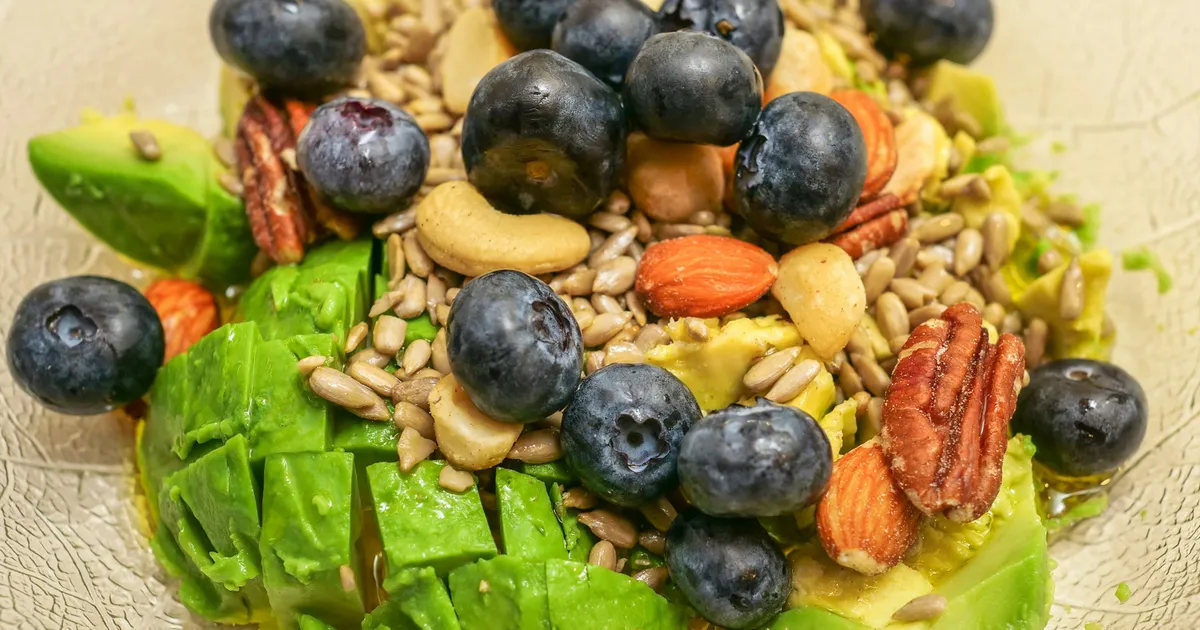
Kickstarting your day with a high-fiber breakfast sets a positive tone for your digestion and energy levels. Instead of refined cereals, opt for whole-grain choices like rolled oats, which are packed with soluble fiber. Pair them with berries, chia seeds, and a handful of nuts for an extra boost of fiber, antioxidants, and healthy fats. A fiber-rich breakfast helps you feel full longer, reducing the likelihood of mid-morning cravings and supporting stable blood sugar throughout your productive morning.
Consider creative breakfast options beyond traditional oatmeal. Whole-wheat toast topped with mashed avocado and everything bagel seasoning, or a quick breakfast burrito featuring scrambled eggs, black beans, and a sprinkle of salsa, are fantastic choices. These meals not only provide significant fiber but also offer a balanced combination of protein and healthy fats, ensuring sustained energy and a happy gut. Prioritizing fiber in your first meal is a simple yet powerful strategy for daily digestive comfort.
Morning Gut-Health Smoothie Idea
For a supercharged start, blend a gut-health smoothie. Combine 1/2 cup rolled oats, 1/2 cup mixed berries (frozen is fine), 1 tablespoon chia seeds, 1/4 cup spinach, 1 scoop plant-based protein powder, and 1 cup unsweetened almond milk. This concoction delivers over 10 grams of fiber, along with essential vitamins, minerals, and probiotics (if your protein powder includes them). It’s an easy, delicious, and incredibly efficient way to nourish your gut microbiome and support smooth digestion from the moment you wake up.
Lunch & Dinner: Flavorful Fiber Powerhouses
Transforming your lunch and dinner into fiber powerhouses doesn’t mean sacrificing flavor; it means embracing a vibrant array of plant-based ingredients. Incorporate legumes like lentils, chickpeas, and black beans into soups, stews, and salads. These provide substantial fiber and plant-based protein, making your meals both satisfying and beneficial for gut health. Swapping white rice for brown rice, quinoa, or farro in your grain bowls or side dishes significantly boosts fiber content without compromising taste.
Consider building your meals around a variety of colorful vegetables. Roasting broccoli, Brussels sprouts, or sweet potatoes brings out their natural sweetness and fiber. A simple lentil soup with carrots, celery, and kale, or a hearty chickpea and spinach curry, can be incredibly delicious and fiber-dense. Aim to fill at least half your plate with vegetables at every main meal to maximize fiber intake and support a diverse gut microbiome, ensuring optimal digestion and nutrient absorption.
Snacks & Desserts: Sweet Ways to Boost Fiber
Snacks and desserts offer excellent opportunities to increase your daily fiber intake without feeling deprived. Instead of processed treats, reach for whole fruits like apples, pears, or bananas, which are naturally rich in fiber and provide a satisfying sweetness. A handful of almonds or walnuts, or a small bowl of air-popped popcorn, can be a great fiber-rich snack that keeps hunger at bay between meals. These simple swaps make a big difference in your overall fiber consumption.
For desserts, explore options that incorporate fruits, whole grains, or seeds. Baked apples with a sprinkle of cinnamon and oats, or chia seed pudding made with unsweetened almond milk and berries, are delicious and gut-friendly alternatives. Even a small piece of dark chocolate (70% cocoa or higher) offers a modest amount of fiber along with beneficial antioxidants. By making mindful choices for your snacks and sweet treats, you can consistently support your digestive health throughout the entire day, especially looking ahead to 2026’s health goals.
Key Takeaways
- Fiber is crucial for a healthy gut microbiome and overall digestive wellness.
- Both soluble and insoluble fibers are essential; aim for diverse plant-based sources.
- Integrate high-fiber ingredients into every meal, from breakfast to dinner and snacks.
- Small, consistent changes to your diet can significantly improve gut health.
Frequently Asked Questions
How much fiber should I aim for daily?
Most health organizations recommend that adult women consume about 25 grams of fiber per day, while adult men should aim for around 38 grams. However, individual needs may vary based on age, activity level, and specific health conditions.
Can I consume too much fiber?
While fiber is beneficial, a sudden, drastic increase can lead to discomfort like bloating, gas, or constipation. It’s best to increase fiber intake gradually and ensure you drink plenty of water to help it move through your digestive system smoothly.
What are some common high-fiber ingredients to include in recipes?
Excellent high-fiber ingredients include oats, beans (black beans, lentils, chickpeas), berries, apples, pears, leafy greens (spinach, kale), broccoli, sweet potatoes, nuts, seeds (chia, flax), and whole grains like quinoa and brown rice.
How quickly will I see benefits from increasing fiber in my diet?
Many individuals report improved regularity and reduced digestive discomfort within a few days to a week of consistently increasing fiber intake and adequate hydration. Long-term benefits, like a healthier gut microbiome, develop over several weeks or months.
Conclusion
Embracing high fiber foods recipes for digestion and gut health is one of the most impactful steps you can take for your long-term well-being. By prioritizing diverse plant-based ingredients, you actively nourish your gut microbiome, promote smooth digestion, and fortify your body against various health challenges. Make fiber a delicious and integral part of your daily routine for a healthier, happier you in 2026 and beyond. What are your favorite high-fiber recipes? Share your insights and inspire others on their journey to optimal digestive health!