

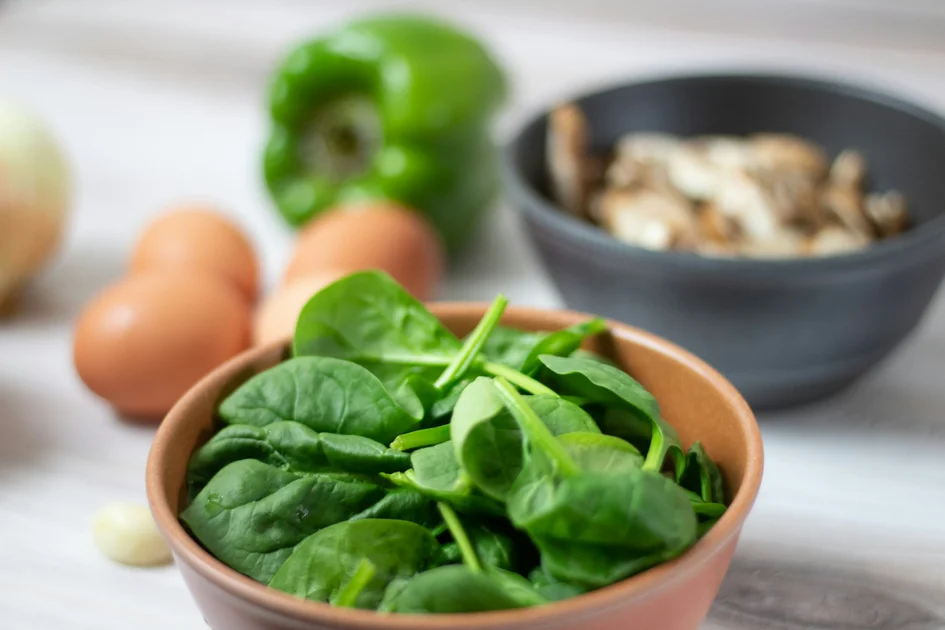

Learning how to make high-protein spinach and feta egg muffins for meal prep is a fundamental skill for anyone looking to optimize their nutrition in 2026. These portable, nutrient-dense powerhouses provide an efficient way to hit your daily macronutrient targets without spending hours in the kitchen every morning. By balancing the high-quality amino acids found in eggs with the calcium-rich profile of feta and the iron-packed punch of fresh spinach, you create a breakfast that stabilizes blood sugar levels and sustains energy through the mid-morning slump. Mastery of this recipe requires understanding egg coagulation, temperature control, and proper storage, ensuring that your batch remains moist and flavorful throughout the entire work week. As we navigate the health-conscious landscape of 2026, this meal prep staple stands out as a gold standard for busy professionals.
Essential Ingredients and Prep
The foundation of a successful egg muffin relies on the quality of your base ingredients. For a standard dozen, you should select large, pasture-raised eggs, which offer a superior omega-3 fatty acid profile compared to conventional options. Whisk the eggs thoroughly in a large bowl, incorporating a splash of whole milk or Greek yogurt to enhance the final texture and increase the protein density. The addition of Greek yogurt is a clever 2026 culinary hack that improves the crumb structure while adding a subtle tang that complements the saltiness of the feta cheese perfectly.
- The Ultimate Guide to Fluffy Whole-Grain Pancakes: Refined Sugar-Free Recipes
- 5 Easy Overnight Oats Recipes for Busy Mornings
- Plant-Based Power: Dairy & Egg-Free Breakfast Recipes for Sustained Energy
- Fiber-Rich Breakfasts: Your Daily Guide to Better Digestion & Gut Health
- Brain Boosting Breakfast: Recipes for Focus & Productive Mornings
Fresh spinach is preferable to frozen, though you must sauté it briefly to remove excess moisture before folding it into the egg mixture. Failing to drain the spinach is the most common reason for soggy muffins that fall apart upon removal from the tin. Crumble your feta cheese into medium-sized chunks to ensure you get a savory, creamy bite in every mouthful. Season the mixture generously with cracked black pepper, sea salt, and perhaps a pinch of red pepper flakes or dried oregano to elevate the flavor profile, ensuring your meal prep remains an enjoyable culinary experience rather than a bland chore.
Pros and Cons Analysis
Understanding the balance of this meal prep strategy is vital for long-term consistency. The primary benefit of these muffins is their extreme convenience; they are ready to eat in seconds, making them an ideal solution for those with demanding schedules who still prioritize wellness. Furthermore, their high protein content supports satiety, which can significantly reduce the tendency to snack on processed items during the day. Because the recipe is highly customizable, you can easily swap spinach for kale or feta for goat cheese to keep your palate engaged without straying from your nutritional goals.
Conversely, there are minor drawbacks to consider when prepping in bulk. The texture of eggs can change slightly after several days in the refrigerator, occasionally becoming firmer or releasing small amounts of moisture. While this is rarely a dealbreaker, it is something that sensitive eaters might notice by day four or five. Additionally, the initial prep time—including chopping, sautéing, and cleaning—requires a dedicated block of time during your Sunday routine. However, for most, the trade-off of thirty minutes of work for five days of stress-free mornings is a highly favorable exchange that promotes overall dietary adherence in 2026.
Comparison Table
| Feature | Option A | Option B | Option C |
|---|---|---|---|
| Protein Source | Whole Eggs | Egg Whites | Tofu Crumbles |
| Prep Time | Ten Minutes | Fifteen Minutes | Twenty Minutes |
| Shelf Life | Five Days | Four Days | Three Days |
| Texture | Very Fluffy | Slightly Dense | Quite Firm |
| Cost Efficiency | High Value | Medium Value | Low Value |
Cooking and Storage Science
Achieving the perfect bake requires precise oven management. Preheat your oven to 375 degrees Fahrenheit to ensure the eggs rise uniformly without becoming rubbery. Using a high-quality silicone muffin pan is highly recommended, as it allows for easy release without the need for excessive oil or butter. If you are using a metal tin, be sure to coat it thoroughly with avocado oil spray or line it with parchment liners to prevent the eggs from bonding to the surface. A 2026 study on food preparation techniques suggests that resting the muffins for five minutes after removing them from the oven allows the structure to set, which is crucial for maintaining integrity.
Optimal Storage Techniques
Once your muffins have cooled completely on a wire rack, store them in an airtight glass container to preserve freshness. Plastic containers can sometimes impart a lingering flavor, whereas glass maintains the integrity of the herbs and spices used in your recipe. If you anticipate that you will not consume the entire batch within five days, you can safely freeze them for up to two months. Simply wrap each muffin in parchment paper and place them in a freezer-safe bag, reheating them in the microwave for sixty seconds when you are ready to enjoy a quick, high-protein breakfast on the go.
Flavor Customization Strategies
While the classic spinach and feta combination is a perennial favorite, the versatility of this base allows for endless experimentation. You can introduce diced sun-dried tomatoes for an acidic brightness, or sautéed bell peppers for a touch of natural sweetness. Adding cooked turkey bacon or diced chicken sausage can further increase the protein content, making these muffins a substantial meal replacement rather than just a snack. These variations ensure that your meal prep remains exciting, preventing the common burnout associated with repetitive diets.
Consider incorporating fresh herbs like dill, basil, or chives directly into the egg mixture to provide a professional, garden-fresh flavor profile. In 2026, many nutritionists recommend experimenting with different spices like smoked paprika or turmeric to gain added anti-inflammatory benefits. By rotating these flavor profiles, you can tailor your intake to your specific cravings while ensuring you continue to meet your protein requirements. This adaptability is the key to maintaining a healthy lifestyle, as it transforms a rigid nutritional plan into an accessible and enjoyable culinary routine that fits seamlessly into your busy life.
Key Takeaways
- Always sauté spinach to remove moisture for the best texture.
- Use silicone muffin tins to ensure easy removal after baking.
- Store in airtight glass containers to maintain peak freshness.
- Whisk in Greek yogurt to increase protein and improve moisture.
- Rest the muffins for five minutes before removing from the pan.
- Freeze batches for up to two months for long-term meal prep.
Frequently Asked Questions
How long do egg muffins last in the fridge?
When stored in an airtight container, these muffins will remain fresh and safe to eat for up to five days in your refrigerator.
Can I use only egg whites for this recipe?
Yes, you can substitute the whole eggs with egg whites, though you may need to add a teaspoon of olive oil to keep the muffins moist.
Why are my egg muffins soggy?
Soggy muffins are usually caused by excess moisture in the spinach or vegetables; always sauté and drain your greens thoroughly before adding them.
What is the best way to reheat them?
The best method is to microwave them for 45 to 60 seconds on a paper towel, which helps absorb any condensation that forms during the process.
Can I freeze these muffins?
Absolutely, freezing is an excellent way to extend their shelf life; just ensure they are completely cooled before wrapping them for the freezer.
Conclusion
Mastering how to make high-protein spinach and feta egg muffins is a transformative step for your 2026 health journey. By focusing on quality ingredients, proper moisture control, and efficient storage, you can ensure that your mornings are fueled by nutritious, delicious food that supports your busy lifestyle. This recipe is not merely a cooking guide but a strategic tool for maintaining consistency in your fitness and wellness goals. As you refine your approach, you will find that these muffins save you time and provide a reliable, healthy foundation for every single day of the week.