

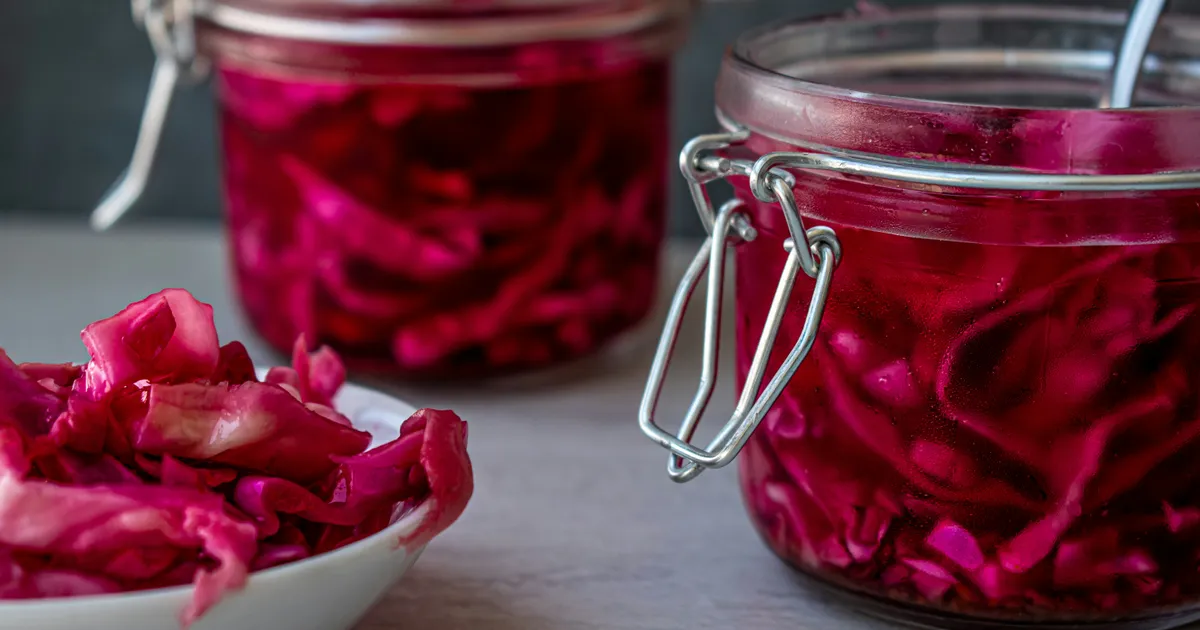

Maintaining a healthy gut is crucial for overall well-being, and incorporating gut-friendly, probiotic-rich foods into the diet is a fantastic way to support digestive health. Probiotics, beneficial bacteria that live in the gut, aid in digestion, boost the immune system, and may even improve mental health. Making probiotic-rich foods at home not only ensures freshness and quality but also allows for customization to suit personal preferences. This article explores several homemade recipes that promote a better digestion routine.
Understanding Probiotics and Gut Health

Probiotics are live microorganisms that, when administered in adequate amounts, confer a health benefit on the host. They work by improving the balance of gut bacteria, which can be disrupted by factors such as diet, stress, and antibiotics. A balanced gut microbiome is essential for efficient digestion, nutrient absorption, and protection against harmful pathogens. Consuming probiotic-rich foods helps replenish and maintain this microbial balance, leading to improved digestive health. A review published in the journal Nutrients highlights the importance of probiotics in maintaining gut health.
- Easy 3-Ingredient Almond Flour Peanut Butter Cookies: The Best Quick Recipe
- Easy Greek Yogurt Fruit Popsicles: A Refreshing Healthy Treat for Summer
- How to Bake a Decadent Flourless Dark Chocolate Cake: The Best Healthy Recipes
- Healthy Comfort Food: Easy Low-Calorie Dinner Recipes
- Kid-Approved Healthy Family Dinners: Easy Recipes Even Picky Eaters Will Love
Fermented foods are a natural source of probiotics. The fermentation process encourages the growth of beneficial bacteria, which not only preserve the food but also enhance its nutritional value. Common fermented foods include yogurt, kefir, sauerkraut, kimchi, and kombucha. Incorporating these foods into daily meals can significantly improve the diversity and abundance of gut bacteria, resulting in better digestion and overall health. According to research from Harvard T.H. Chan School of Public Health, fermented foods contribute to a balanced gut microbiome.
Homemade Yogurt: A Creamy Probiotic Powerhouse
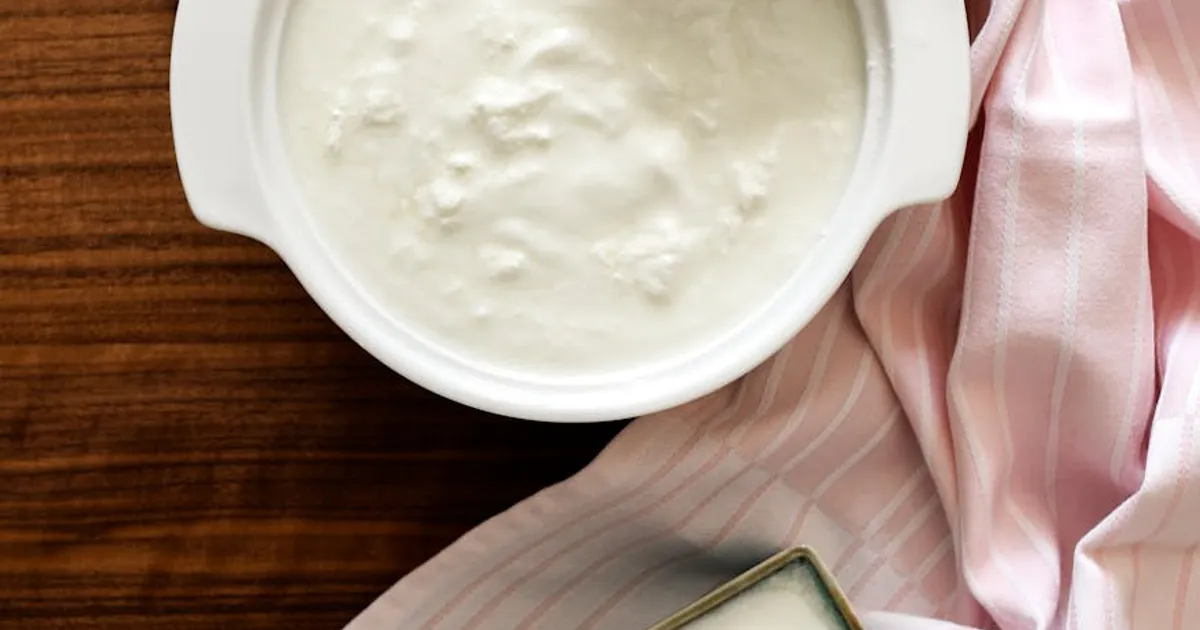
Making yogurt at home is a simple and rewarding process. All that’s needed is milk and a yogurt starter containing live cultures. The milk is heated to a specific temperature to kill any harmful bacteria and then cooled before adding the starter. The mixture is then incubated at a warm temperature for several hours, allowing the probiotics to multiply and thicken the milk into yogurt. Homemade yogurt can be flavored with fruits, honey, or nuts to create a delicious and nutritious snack or breakfast option. The National Yogurt Association provides resources on yogurt cultures and production.
To enhance the probiotic content of homemade yogurt, consider using different starter cultures or adding prebiotic foods. Prebiotics are non-digestible fibers that feed the probiotics in the gut. Examples of prebiotic-rich foods include bananas, oats, garlic, and onions. Incorporating these into the diet alongside homemade yogurt creates a synergistic effect, promoting the growth and activity of beneficial bacteria. This approach can lead to even greater improvements in digestive health. A study published in the Journal of Nutrition discusses the synergistic effects of probiotics and prebiotics.
Kefir: A Tangy and Versatile Probiotic Drink
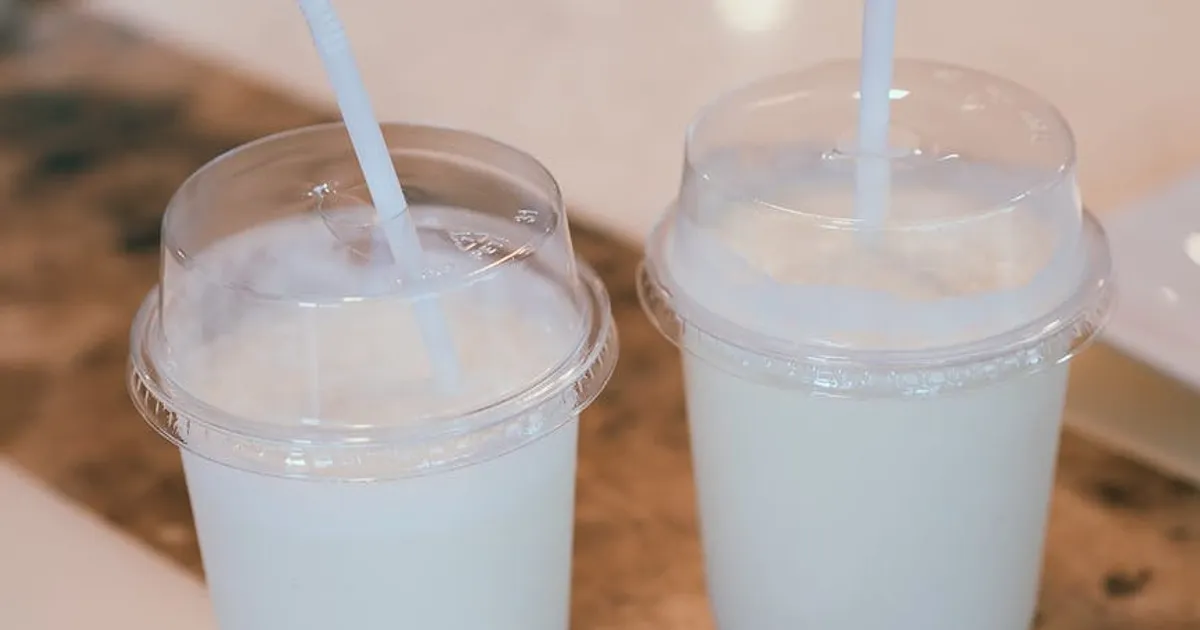
Kefir is a fermented milk drink similar to yogurt but with a thinner consistency and a more tangy flavor. It is made by adding kefir grains (a combination of bacteria and yeasts) to milk. The grains ferment the milk, producing a probiotic-rich beverage that is easy to digest. Kefir can be consumed plain or flavored with fruits, sweeteners, or added to smoothies. It’s a versatile option for boosting probiotic intake and supporting gut health. WebMD offers detailed information on the health benefits of kefir.
One of the advantages of kefir is its broad spectrum of probiotics. Kefir grains contain a diverse range of bacteria and yeasts, resulting in a more complex and beneficial microbial profile compared to yogurt. This diversity can be particularly helpful for individuals with specific gut health issues or those seeking to improve their overall microbiome composition. Regular consumption of homemade kefir can contribute to improved digestion, enhanced immunity, and better overall well-being. Research from the University of California, Davis highlights the diverse microbial composition of kefir.
Sauerkraut: A Crunchy and Flavorful Fermented Cabbage
Sauerkraut, or fermented cabbage, is a traditional food known for its distinct sour flavor and probiotic benefits. Making sauerkraut at home involves shredding cabbage, adding salt, and packing it tightly into a jar. The salt draws out the cabbage’s juices, creating a brine in which beneficial bacteria can thrive. Over several weeks of fermentation, the bacteria convert the cabbage’s sugars into lactic acid, preserving the cabbage and producing a probiotic-rich food. Homemade sauerkraut can be enjoyed as a side dish, topping for sandwiches, or ingredient in various recipes. The Academy of Nutrition and Dietetics provides information on the nutritional benefits of sauerkraut.
The fermentation process in sauerkraut enhances the bioavailability of certain nutrients, making them easier for the body to absorb. Additionally, sauerkraut is a good source of vitamin C and other antioxidants, which further contribute to its health benefits. Regularly incorporating sauerkraut into the diet can support digestive health, boost the immune system, and provide a flavorful and nutritious addition to meals. In 2026, there has been an increasing emphasis on incorporating such fermented foods into daily diets due to their proven health benefits.
Kombucha: A Refreshing and Effervescent Fermented Tea
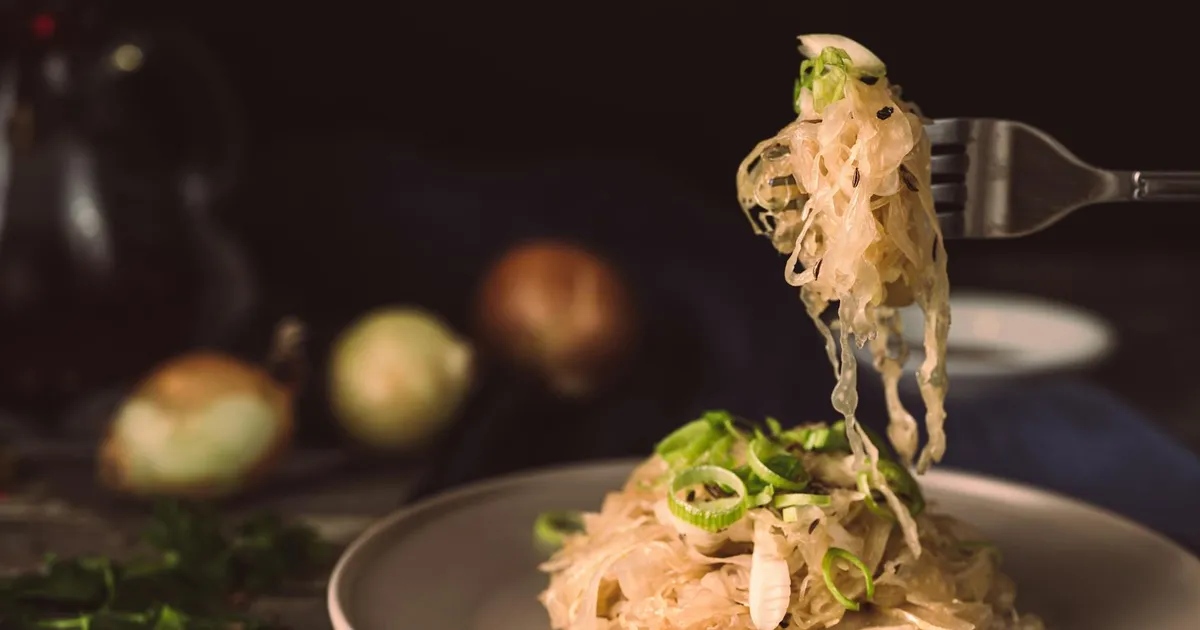
Kombucha is a fermented tea that has gained popularity for its unique flavor and potential health benefits. It’s made by fermenting sweetened tea with a SCOBY (symbiotic culture of bacteria and yeast). The SCOBY consumes the sugar in the tea, producing a slightly acidic and effervescent beverage that is rich in probiotics and antioxidants. Homemade kombucha can be flavored with fruits, herbs, or spices to create a variety of delicious and refreshing drinks. The Mayo Clinic offers information on the potential health benefits of Kombucha.
The fermentation process not only introduces probiotics into kombucha but also produces beneficial acids, such as acetic acid, which can help kill harmful bacteria. Kombucha is a good alternative to sugary drinks and can contribute to improved gut health and hydration. Monitoring the fermentation process and sugar content is crucial to ensure a safe and enjoyable homemade kombucha experience. Research conducted by Clemson University explores the microbial diversity in kombucha.
Important Considerations for Home Brewing
When making fermented foods at home, hygiene and proper techniques are essential to prevent the growth of harmful bacteria. Always use clean equipment, follow recipes carefully, and monitor the fermentation process closely. If any mold or unusual odors develop, discard the batch. This is especially important as the demand for safe and healthy homemade options continues to rise in 2026. Reliable resources and guidelines are available online to help ensure a safe and successful home brewing experience.
Kimchi: A Spicy and Complex Korean Fermented Dish
Kimchi is a traditional Korean side dish made from fermented vegetables, typically cabbage and radishes, seasoned with a variety of spices, including chili powder, garlic, ginger, and scallions. The fermentation process creates a potent probiotic-rich food that is packed with flavor and health benefits. Homemade kimchi allows for customization of the spice level and vegetable combinations. It’s a versatile ingredient that can be added to soups, stews, rice dishes, and more. The Korea Biomedical Review provides insights into the health benefits of Kimchi.
Beyond its probiotic content, kimchi is also rich in vitamins, minerals, and antioxidants. The spicy ingredients, such as chili powder and garlic, have anti-inflammatory properties and can contribute to overall health. Regularly consuming kimchi can support digestive health, boost the immune system, and provide a unique and flavorful addition to the diet. In 2026, more people are embracing kimchi and other ethnic fermented foods, incorporating them into their diets for their health benefits.
Key Takeaways
- Probiotic-rich foods are essential for maintaining a healthy gut microbiome.
- Homemade yogurt, kefir, sauerkraut, kombucha, and kimchi are excellent sources of probiotics.
- The fermentation process enhances the nutritional value and bioavailability of nutrients in these foods.
- Proper hygiene and techniques are crucial when making fermented foods at home.
- Incorporating a variety of probiotic-rich foods into the diet can improve digestion, boost the immune system, and enhance overall well-being.
- Combining probiotics with prebiotics creates a synergistic effect, promoting optimal gut health.
Frequently Asked Questions
What are probiotics, and why are they important?
Probiotics are live microorganisms that, when consumed in adequate amounts, confer a health benefit on the host. They help maintain a balanced gut microbiome, which is essential for efficient digestion, nutrient absorption, and protection against harmful pathogens.
How can I make yogurt at home?
To make yogurt at home, heat milk to a specific temperature, cool it, add a yogurt starter containing live cultures, and incubate at a warm temperature for several hours until the milk thickens into yogurt. Flavor with fruits, honey, or nuts to taste.
What is kefir, and how is it different from yogurt?
Kefir is a fermented milk drink made by adding kefir grains to milk. It has a thinner consistency and a more tangy flavor than yogurt, and it contains a more diverse range of probiotics.
Is it safe to make fermented foods at home?
Yes, it is safe to make fermented foods at home, but it is essential to follow proper hygiene and techniques to prevent the growth of harmful bacteria. Use clean equipment, follow recipes carefully, and monitor the fermentation process closely.
How often should I consume probiotic-rich foods?
Regularly incorporating probiotic-rich foods into the diet can support digestive health and overall well-being. Aim to consume them daily or several times a week as part of a balanced diet.
Conclusion
Incorporating gut-friendly, probiotic-rich homemade recipes into the digestion routine is a proactive step toward better health. Homemade yogurt, kefir, sauerkraut, kombucha, and kimchi offer a variety of flavors and textures while delivering essential probiotics to support a balanced gut microbiome. Embrace the art of fermentation, experiment with different recipes, and enjoy the numerous health benefits of these delicious and nutritious foods. Always prioritize safe food handling practices and refer to reputable sources for guidance on home fermentation. By integrating these practices, individuals can actively cultivate a healthier, happier gut and achieve optimal well-being as we move forward into the opportunities available in 2026.