

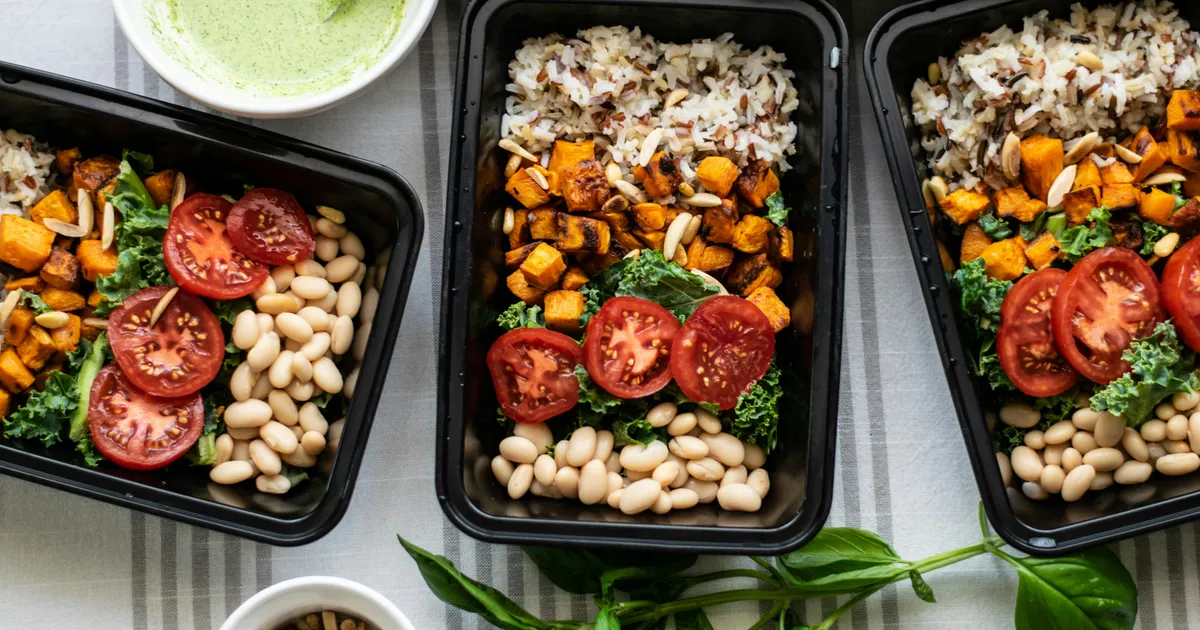

Embarking on an anti-inflammatory diet doesn’t require culinary expertise or spending hours in the kitchen. It’s about making mindful choices that incorporate readily available, nutrient-dense foods that combat inflammation and support overall health. This comprehensive guide provides a practical daily meal plan designed for beginners, showcasing how delicious and straightforward anti-inflammatory eating can be. By focusing on accessible recipes and simple preparation techniques, anyone can start their journey toward natural healing through diet, promoting wellness and preventing chronic diseases in 2026.
Understanding Inflammation and Diet
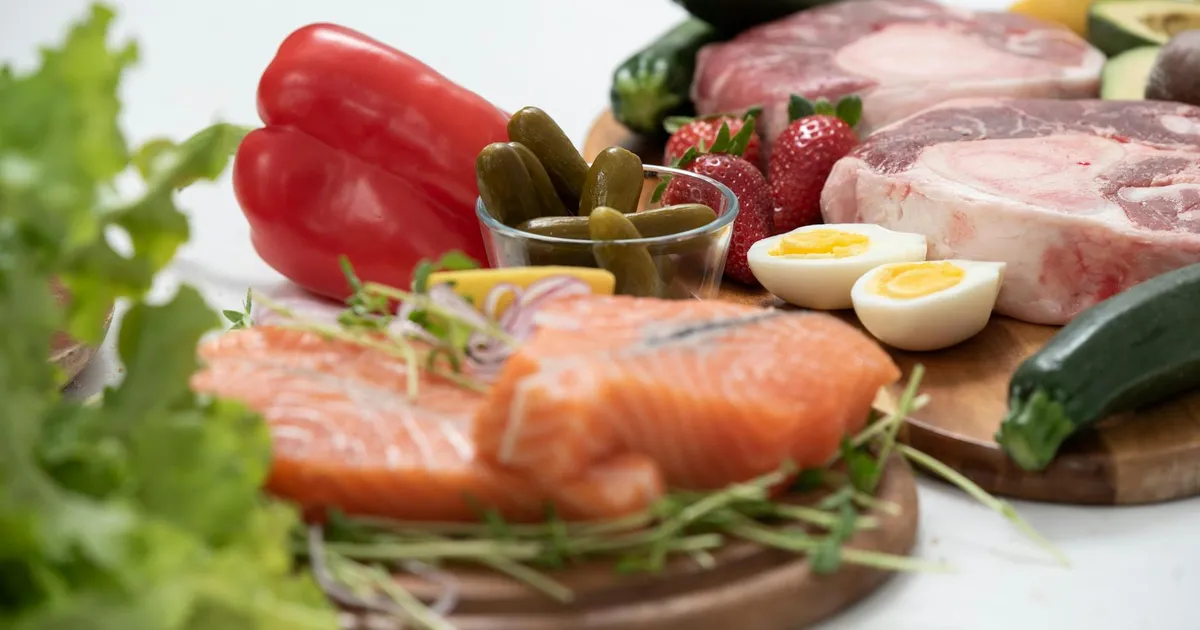
Inflammation is a natural process, but chronic inflammation can lead to various health issues. The Western diet, often high in processed foods, sugars, and unhealthy fats, can exacerbate inflammation. However, certain foods possess potent anti-inflammatory properties. These include foods rich in antioxidants, such as fruits and vegetables, healthy fats like those found in olive oil and avocados, and omega-3 fatty acids, abundant in fatty fish and flax seeds. Understanding the link between diet and inflammation is the first step towards making informed food choices [According to Harvard Health Publishing, certain foods can trigger or alleviate inflammation].
- The Guide to Swapping Refined Carbs for High-Fiber Alternatives for Better Energy
- 7 Best Nutrient-Dense Smoothie Recipes for Sustained Midday Energy
- The Guide to Incorporating Fermented Foods for Optimal Gut Health
- Balanced Macro Meal Prep: Easy Recipes for Clean Eating Beginners
- Gut-Friendly Probiotic Recipes: Homemade Solutions for Better Digestion
An anti-inflammatory diet shifts the focus to whole, unprocessed foods. It emphasizes fruits, vegetables, lean proteins, and healthy fats while limiting or eliminating processed foods, sugary drinks, and refined carbohydrates. Implementing dietary changes doesn’t need to be drastic; gradual adjustments can make a significant difference. This dietary approach assists in managing conditions such as arthritis, heart disease, and type 2 diabetes, promoting better health and well-being [Research in the Journal of the American College of Nutrition shows the benefits of anti-inflammatory diets].
A Beginner’s Anti-Inflammatory Meal Plan
A successful anti-inflammatory meal plan starts with simplicity and accessibility. The following daily meal plan includes easy-to-prepare recipes that minimize cooking time and maximize nutritional benefits. This plan is designed to be adaptable to individual dietary needs and preferences, allowing for flexibility and customization. Breakfast, lunch, and dinner are all carefully constructed to provide a balanced intake of anti-inflammatory nutrients, ensuring a delicious and healthful experience
This plan provides a foundation upon which individuals can build, experimenting with different foods and recipes to discover their personal preferences. This meal plan showcases how delicious and satisfying anti-inflammatory eating can be, empowering individuals to make informed decisions and take control of their health. By following this structured approach, beginners can transition into a healthier lifestyle with ease and confidence. This dietary approach will be helpful in managing the symptoms that come with many chronic diseases, even in 2026 [The Arthritis Foundation highlights the importance of nutrition for managing arthritis].
Breakfast: Quick and Nutritious Starts
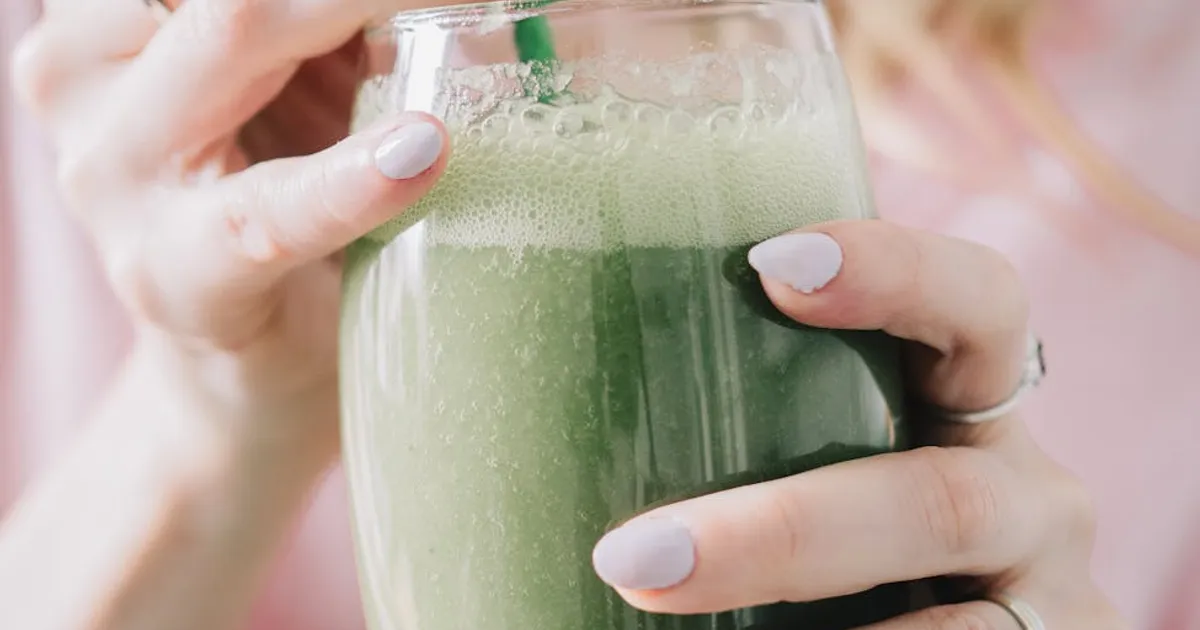
A great way to start the day is with a blueberry and almond smoothie. Combine one cup of frozen blueberries (rich in antioxidants), a handful of almonds (healthy fats and vitamin E), a cup of spinach (vitamins and minerals), and a cup of almond milk (dairy-free option). Blend until smooth. For a warmer option, try oatmeal with berries and nuts. Prepare a serving of plain oatmeal with water or almond milk, topped with mixed berries (strawberries, raspberries, blueberries) and a sprinkle of walnuts (omega-3 fatty acids). Consider adding a dash of cinnamon for its anti-inflammatory properties.
Another option is a turmeric and ginger smoothie. Blend a frozen banana, a small piece of fresh turmeric and ginger, a handful of spinach, a tablespoon of flaxseeds, and a cup of coconut water. Turmeric contains curcumin, a powerful anti-inflammatory compound, and ginger aids in digestion and reduces inflammation. All of these options are quick and easy with a high nutrition potency and can kickstart your day to provide lasting energy and reduced inflmmation.
Lunch: Light and Nourishing Meals
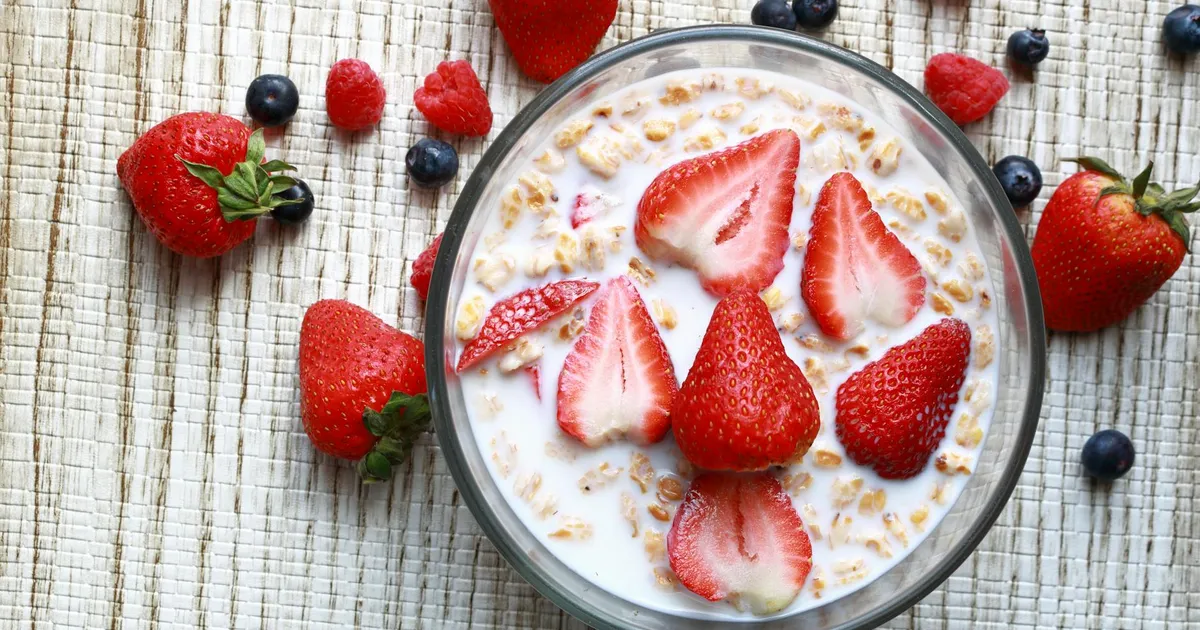
For lunch, a recommended choice is a quinoa salad with roasted vegetables. Roast a medley of bell peppers, zucchini, and red onion with olive oil, herbs, and spices. Combine the roasted vegetables with cooked quinoa (a complete protein), chickpeas (fiber and protein), and a lemon-tahini dressing. You can also make a tuna salad with avocado on whole-grain bread. Mix canned tuna (omega-3s) with mashed avocado (healthy fats), lemon juice, and a pinch of salt and pepper. Serve on whole-grain bread with lettuce and tomato.
These lunch options are designed to be both satisfying and nutritious, providing a balanced combination of protein, fiber, and healthy fats to promote sustained energy throughout the afternoon. These options are all easy to make, especially in bulk, so you don’t have to worry about making them every day.
Recipe: Lentil Soup
One hearty and anti-inflammatory lunchtime option is lentil soup. Start by sautéing diced carrots, celery, and onion in olive oil. Add garlic, ginger, and turmeric for extra flavor and anti-inflammatory benefits. Stir in red lentils and vegetable broth, and simmer until the lentils are tender. Season with salt, pepper, and a squeeze of lemon juice. Lentils are a great source of protein and fiber. This soup is also easy to make in large batches and store for future meals and promote digestive health.
Dinner: Delicious and Balanced Plates
Enjoy baked salmon with roasted asparagus and sweet potatoes for dinner. Season salmon fillets with herbs, spices, and a drizzle of olive oil, then bake until cooked through. Roast asparagus and sweet potato chunks in olive oil with garlic and rosemary for a delicious and nutrient-rich side. Another option is a chicken and vegetable stir-fry. Stir-fry chicken breast with broccoli, bell peppers, and snap peas in a light soy sauce or coconut aminos. Serve over brown rice or quinoa.
These dinner options are packed with protein, healthy fats, and a variety of vitamins and minerals from the vegetables. They aim to be both filling and satisfying. These meals are designed to be simple enough for beginners to prepare while still delivering significant anti-inflammatory benefits. Eating right to fight inflammation can have numerous health benefits in the long term.
Snacks: Healthy Bites Between Meals
Choose snacks that are both satisfying and beneficial for reducing inflammation. A handful of nuts and seeds, such as almonds, walnuts, or chia seeds, offers healthy fats and fiber. Sliced apples or pears with almond butter provide a combination of fiber, antioxidants, and healthy fats. Greek yogurt with berries is a probiotic-rich option that supports gut health, and berries are packed with antioxidants.
These snacks are designed to keep you feeling full and satisfied between meals without sabotaging your anti-inflammatory efforts. They are easy to prepare and can be taken on the go, making it simple to stick to the anti-inflammatory diet. It’s important to choose snacks that are low in processed sugars and unhealthy fats to maximize the benefits of the anti-inflammatory diet [The Mayo Clinic provides guidelines on healthy snacking to manage weight and inflammation].
Key Takeaways
- Focus on whole, unprocessed foods, including fruits, vegetables, lean proteins, and healthy fats.
- Limit or eliminate processed foods, sugary drinks, and refined carbohydrates.
- Incorporate anti-inflammatory spices like turmeric, ginger, and cinnamon into your meals.
- Choose healthy fats like olive oil, avocados, nuts, and seeds, and use them when you cook.
- Include omega-3 fatty acids from fatty fish (salmon, tuna) and flax seeds.
- Stay hydrated by drinking plenty of water throughout the day.
Frequently Asked Questions
What exactly is an anti-inflammatory diet?
An anti-inflammatory diet focuses on consuming foods that help reduce inflammation in the body. It emphasizes whole, unprocessed foods like fruits, vegetables, lean proteins, and healthy fats, while limiting or avoiding processed foods, sugary drinks, and refined carbohydrates.
Can this meal plan help with my arthritis?
While an anti-inflammatory diet is not a cure for arthritis, it can help manage symptoms by reducing inflammation. Many people with arthritis find relief by following this type of diet [The Cleveland Clinic suggests dietary modifications to alleviate arthritis symptoms]. It’s always best to consult a healthcare professional for personalized advice.
How long before I see results?
The timeline for seeing results can vary depending on individual factors such as overall health, the severity of inflammation, and consistency with the diet. Some people may notice improvements in energy levels and reduced pain within a few weeks, while others may take longer. Consistency and patience are key factors for those starting in 2026.
Are there any side effects to this diet?
An anti-inflammatory diet is generally considered safe and beneficial. However, any drastic dietary change can sometimes cause temporary digestive issues. It’s essential to introduce changes gradually and ensure you’re meeting all your nutritional needs. Always consult a healthcare provider about any concerns.
Can I adapt this meal plan to my dietary restrictions?
Yes, adaptability is a key feature of the plan. You can adjust the meal plans to accommodate any dietary restrictions you may have, such as vegan, vegetarian, or gluten-free. Replace ingredients as needed while ensuring your nutritional requirements are met. [The Academy of Nutrition and Dietetics offers guidance on various dietary needs and adaptations].
Conclusion
Embarking on an anti-inflammatory diet is a powerful step towards better health and well-being. By focusing on nutrient-dense, whole foods and avoiding pro-inflammatory culprits, it’s about creating sustainable dietary habits that support your long-term well-being. The provided meal plan serves as a practical guide to get you started, but remember that nutrition is highly individualized. As you become more familiar with anti-inflammatory foods and recipes, feel free to adapt this guidance to best fit your preferences and needs. By maintaining consistency, you’ll likely see significant improvements in your health, so take things one step at a time.