

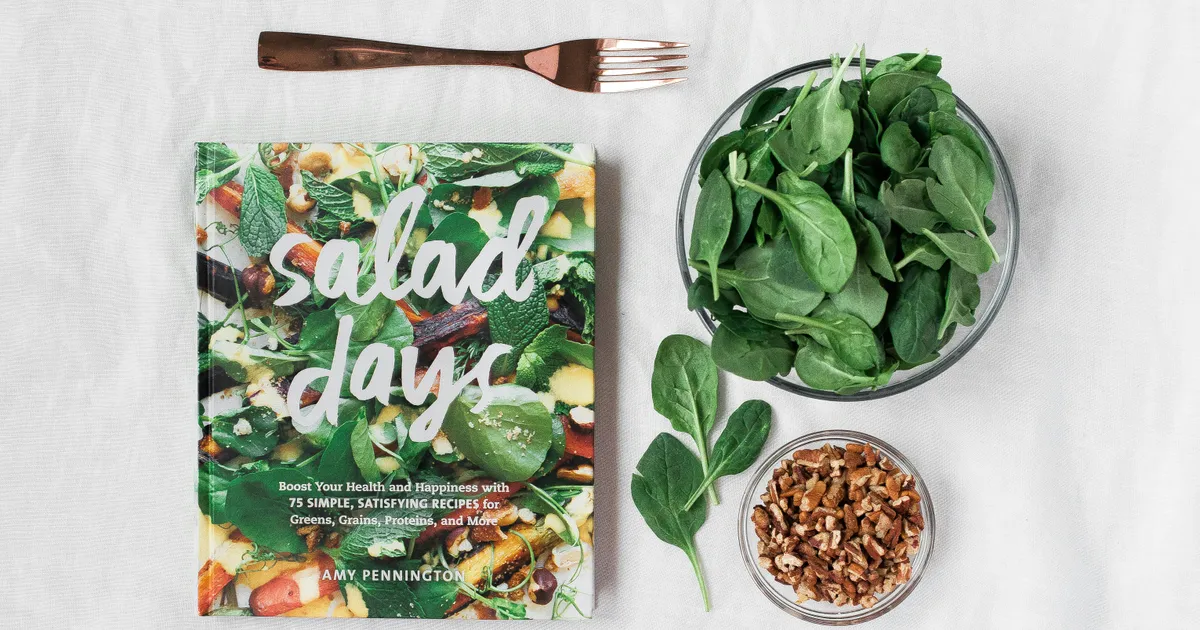

Chronic inflammation can often be managed through dietary adjustments. An anti-inflammatory daily meal plan focuses on incorporating foods rich in antioxidants and omega-3 fatty acids, while minimizing processed foods, sugars, and unhealthy fats. This approach not only helps reduce inflammation but also fosters overall well-being. Getting started with such a plan can be simple and sustainable with the right recipes and strategies. It involves gradually integrating these beneficial foods into one’s routine, paving the way for long-term health improvements and a more comfortable, active lifestyle.
Understanding Inflammation and Diet
Inflammation is the body’s natural response to injury or infection, but chronic inflammation can lead to various health issues, including heart disease, diabetes, and arthritis. Diet plays a crucial role in managing this condition. Certain foods can either promote or combat inflammation; therefore, understanding which foods to prioritize and which to avoid is paramount. According to the National Institutes of Health, avoiding highly processed foods and refined carbohydrates can help regulate inflammatory responses. An anti-inflammatory diet aims to shift the body’s balance towards reducing these responses, contributing to a healthier state.
- Easy 3-Ingredient Almond Flour Peanut Butter Cookies: The Best Quick Recipe
- Easy Greek Yogurt Fruit Popsicles: A Refreshing Healthy Treat for Summer
- How to Bake a Decadent Flourless Dark Chocolate Cake: The Best Healthy Recipes
- Healthy Comfort Food: Easy Low-Calorie Dinner Recipes
- Kid-Approved Healthy Family Dinners: Easy Recipes Even Picky Eaters Will Love
A balanced anti-inflammatory diet includes plenty of fruits, vegetables, and healthy fats, such as those found in olive oil and avocados. These foods provide antioxidants and nutrients that help neutralize free radicals, which contribute to inflammation. Conversely, processed foods, sugary beverages, and excessive alcohol consumption can exacerbate inflammation. Incorporating anti-inflammatory habits involves making deliberate choices that support the body’s natural healing processes. By focusing on whole, unprocessed foods, individuals can take proactive steps to manage inflammation and improve their overall health. This approach aligns with findings from the American Heart Association regarding the beneficial effects of diet on cardiovascular health.
Essential Anti-Inflammatory Foods
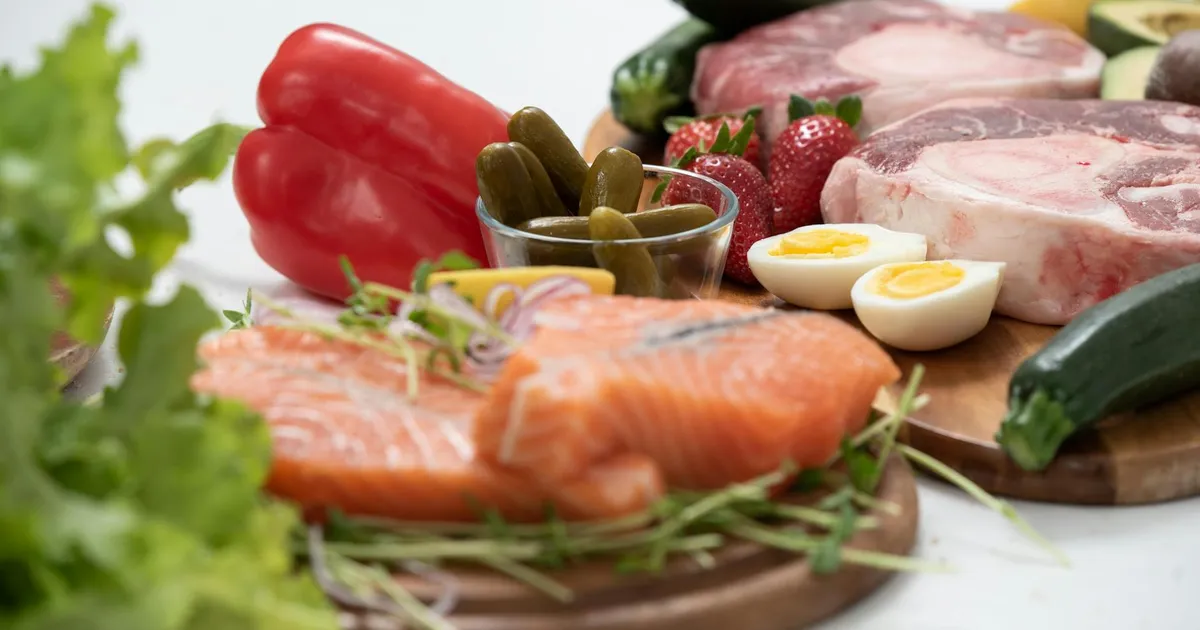
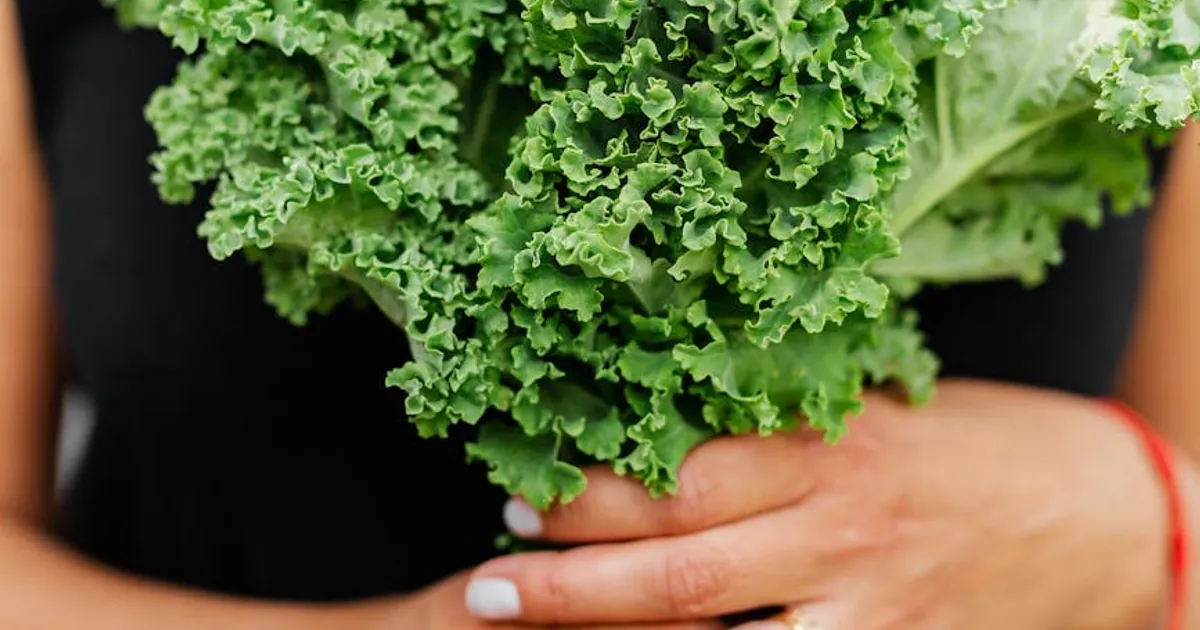
Several food groups stand out for their anti-inflammatory properties. Fatty fish, such as salmon and tuna, are rich in omega-3 fatty acids, which are known for their ability to reduce inflammation. Leafy green vegetables like spinach and kale contain high levels of antioxidants and vitamins that help combat inflammatory compounds. Berries, including blueberries, strawberries, and raspberries, are packed with antioxidants and phytonutrients that neutralize free radicals. These naturally occurring substances play a pivotal role in preventing cellular damage, as highlighted by research published in the journal Advances in Nutrition.
Nuts and seeds, such as almonds, walnuts, and flaxseeds, are excellent sources of healthy fats and fiber, promoting heart health and reducing inflammation. Olive oil, particularly extra virgin olive oil, contains oleocanthal, a compound with similar anti-inflammatory effects to ibuprofen. Including these foods in a daily meal plan can significantly contribute to reducing inflammation. Herbs and spices, such as turmeric and ginger, possess potent anti-inflammatory properties. Turmeric contains curcumin, a powerful antioxidant, while ginger contains gingerol, both effective in reducing inflammation. These foods, when included regularly, form the cornerstone of an effective anti-inflammatory diet, enabling the body to cope better with chronic inflammatory conditions. Consumption guidance from organizations like the Arthritis Foundation supports these dietary choices.
Sample Anti-Inflammatory Daily Meal Plan for Beginners
A beginner-friendly anti-inflammatory meal plan can be simple and delicious. For breakfast, a smoothie with berries, spinach, and flaxseeds provides a nutrient-rich start to the day. Lunch can consist of a salad with grilled salmon, mixed greens, avocado, and a light olive oil dressing. Dinner options might include baked chicken with roasted vegetables like broccoli, bell peppers, and sweet potatoes. Snacks between meals can include almonds, Greek yogurt, or a piece of fruit. This plan emphasizes whole, unprocessed foods and incorporates key anti-inflammatory ingredients.
Adjusting portion sizes and food preferences can customize the meal plan. Those with busy schedules may find it helpful to prepare components of meals in advance, such as chopping vegetables or cooking grains. Batch cooking on weekends ensures healthy ingredients are readily available. Drinking plenty of water throughout the day is also essential for maintaining overall health and supporting the body’s natural detoxification processes. Consulting a registered dietitian can provide personalized guidance and ensure the meal plan meets individual nutritional needs. The Dietary Guidelines for Americans also provide comprehensive advice on healthy eating habits.
Tips for Sticking to the Plan
Consistency is key to seeing the benefits of an anti-inflammatory diet. Start by making small, gradual changes to your eating habits. Instead of drastically overhauling your diet, try adding one new anti-inflammatory food each week. Over time, these small changes can lead to significant improvements. It is important to understand that dietary changes take time to yield noticeable results, but persistence pays off with improved health and reduced inflammation. By integrating these habits gradually, individuals are more likely to maintain them long term.
Planning meals in advance and keeping a food journal can help keep track of progress and identify areas for improvement. Experimenting with different recipes can keep things interesting and prevent boredom. Incorporating regular physical activity is crucial for supporting the anti-inflammatory effects of the diet. Research has shown that regular exercise can help reduce inflammation and improve overall health. Physical activity combined with appropriate dietary habits can create a strong foundation for sustained well-being. This synergistic approach amplifies the benefits, contributing to long-term health.
Recipes to Reduce Inflammation
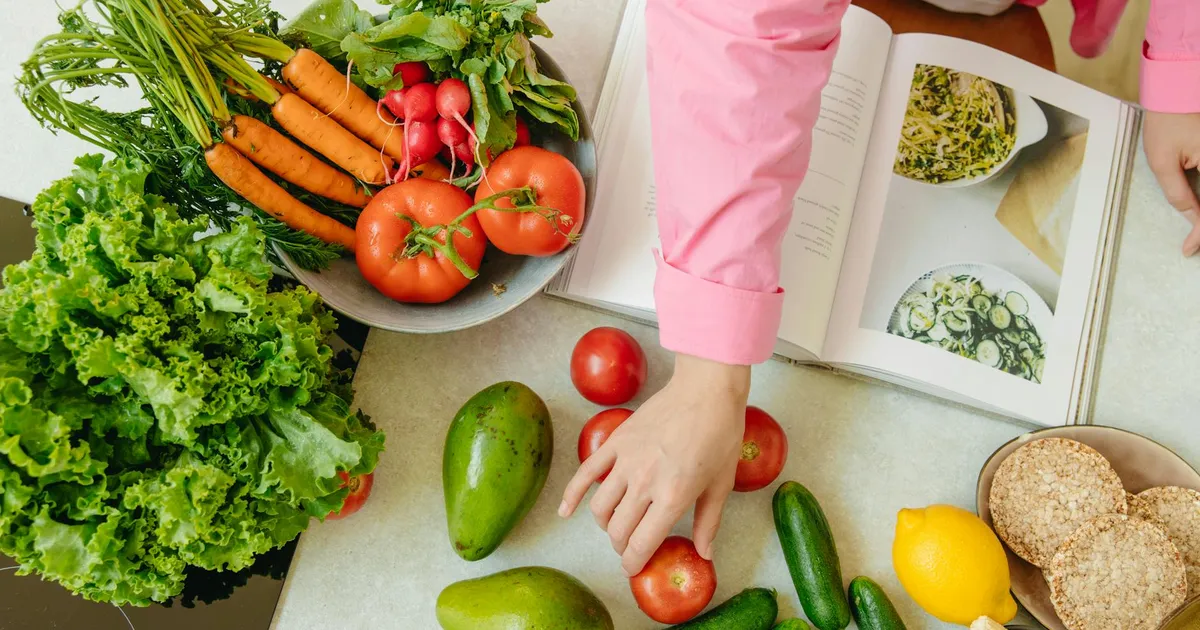
Creating anti-inflammatory meals doesn’t have to be complicated. A simple turmeric and ginger chicken soup not only warms the body but also delivers potent anti-inflammatory compounds directly. Preparing a quinoa salad with black beans, bell peppers, and avocado offers a fiber-rich, antioxidant-packed meal. For a quick and easy snack, try making chia seed pudding with almond milk and berries. These recipes are flavorful, nutrient-dense, and easy to adapt based on individual preferences and dietary requirements.
For breakfast, consider overnight oats soaked in almond milk with berries and flaxseeds. This requires minimal preparation the night before and provides a nutritious start to the day. Another option is to make a batch of roasted vegetables (such as broccoli, carrots, and sweet potatoes) that can be added to salads, grain bowls, or served as a side dish with protein. Experiment with different herbs and spices to enhance flavors and boost the nutritional value of your meals. Incorporating these anti-inflammatory ingredients can lead to improved health outcomes, aligning with current nutritional guidelines.
The Role of Lifestyle Factors
While diet is a critical component of managing inflammation, other lifestyle factors also play a significant role. Regular physical activity helps reduce inflammatory markers and improves overall health. Aiming for at least 30 minutes of moderate-intensity exercise most days of the week can be beneficial. Stress management is also important, as chronic stress can increase inflammation. Practicing mindfulness, meditation, or yoga can help reduce stress levels and promote relaxation. According to a study from Harvard Medical School, such practices can significantly improve stress-related conditions and their impact on overall health.
Adequate sleep is essential for allowing the body to repair and regenerate. Aim for 7-8 hours of quality sleep each night. Establishing a regular sleep schedule and creating a relaxing bedtime routine can help improve sleep quality. Limiting exposure to electronic devices before bed and creating a dark, quiet sleep environment are all contributing steps. Avoiding smoking and limiting alcohol consumption can also help reduce inflammation. Lifestyle integration is crucial for maximizing benefits from any dietary plan. In 2026, more research will likely emerge on the interconnectedness of these lifestyle factors and their impact on managing systemic inflammation.
Key Takeaways

- Focus on whole, unprocessed foods like fruits, vegetables, and healthy fats.
- Incorporate omega-3 fatty acids from fatty fish, flaxseeds, and walnuts.
- Reduce intake of processed foods, sugary beverages, and refined carbohydrates.
- Manage stress through mindfulness, meditation, and regular exercise.
- Ensure adequate sleep to support the body’s natural repair processes.
- Stay consistent with your meal plan and track your progress to see results.
Frequently Asked Questions
What is the first step to starting an anti-inflammatory diet?
The first step is to identify and eliminate highly processed foods, sugary drinks, and unhealthy fats from your current diet. Start replacing these with whole, nutrient-dense foods like fruits, vegetables, and lean proteins.
How long does it take to see results from an anti-inflammatory diet?
Results vary from person to person, but many individuals start to notice improvements in their symptoms, such as reduced pain and increased energy levels, within a few weeks of consistently following the diet.
Can an anti-inflammatory diet help with specific conditions like arthritis?
Yes, an anti-inflammatory diet can help manage symptoms of arthritis by reducing inflammation in the joints. Foods like fatty fish, turmeric, and ginger have been shown to be particularly beneficial.
Is it necessary to completely eliminate certain foods?
While it’s beneficial to significantly reduce or eliminate processed foods, sugars, and unhealthy fats, you don’t necessarily have to completely eliminate all foods. The focus should be on primarily consuming anti-inflammatory foods. Over time, you will naturally crave inflammatory foods less.
Can I still eat out while following an anti-inflammatory diet?
Yes, but it requires careful choices. Opt for restaurants that offer whole, unprocessed foods and healthy cooking methods like grilling or baking. Ask about ingredients and request modifications to avoid added sugars or unhealthy fats. In 2026 restaurants are likely going to be much more accommodating about dietary restrictions in general.
Conclusion
Adopting an anti-inflammatory daily meal plan is a transformative approach to managing chronic inflammation and fostering overall health. By prioritizing whole, unprocessed foods and incorporating key anti-inflammatory ingredients, individuals can reduce inflammation and improve their quality of life. Lifestyle factors such as regular exercise, stress management, and adequate sleep further enhance the benefits of this dietary approach. Start with small, gradual changes, stay consistent, and listen to your body. These steps can lead to significant and sustainable improvements in health and well-being. In 2026, more people are expected to adopt anti-inflammatory diets as research continues to highlight their benefits.