

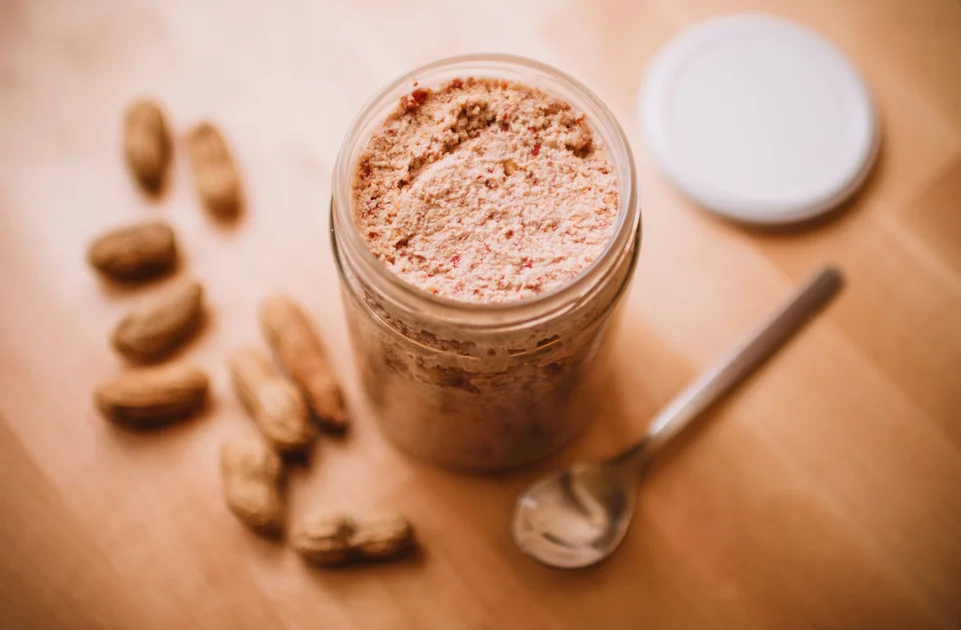

Mastering a guide to making simple almond flour peanut butter cookies with minimal ingredients is the ultimate shortcut for any home baker seeking both health-conscious indulgence and efficiency in 2026. These flourless treats rely on the natural fats of nut butter and the structural integrity of finely ground almond meal, eliminating the need for complex stabilizers or processed additives. By stripping away extraneous fillers, you highlight the robust, earthy profile of high-quality ingredients while achieving a perfect, chewy texture that rivals traditional bakery offerings. Whether you are navigating dietary restrictions or simply desire a quick, nutrient-dense snack, this minimalist approach ensures consistent results without the kitchen fatigue often associated with elaborate baking projects. As we refine our culinary habits this year, understanding the chemistry of these three-ingredient wonders is essential for achieving professional-grade pastry results at home.
The Chemistry of Minimalist Baking
The success of these cookies hinges on the specific interaction between the moisture in the peanut butter and the fat content in the almond flour. Unlike wheat-based recipes that require gluten development to hold structure, almond flour relies on its high oil content and protein density to maintain shape during the baking process. In 2026, home bakers have moved toward high-protein, low-glycemic snacks, and this specific combination offers an ideal macronutrient profile. Because almond flour lacks gluten, the binding agent—usually an egg or a flaxseed equivalent—becomes the most important secondary ingredient. Getting the ratio correct is the difference between a dense, satisfying cookie and a crumbly mess that falls apart on your cooling rack.
- Easy Greek Yogurt Fruit Popsicles: A Refreshing Healthy Treat for Summer
- How to Bake a Decadent Flourless Dark Chocolate Cake: The Best Healthy Recipes
- Healthy Comfort Food: Easy Low-Calorie Dinner Recipes
- Kid-Approved Healthy Family Dinners: Easy Recipes Even Picky Eaters Will Love
- Lazy Night Dinners: Quick & Easy Recipes with Minimal Ingredients
Temperature control is the hidden variable that experts often overlook when discussing simple recipes. When the peanut butter is at room temperature, it emulsifies more effectively with the almond flour, preventing the oils from separating and leaching out during the oven cycle. If you find your dough is too oily, a quick ten-minute chill in the refrigerator allows the fats to solidify, ensuring the cookie retains a uniform edge. This patience in preparation is the hallmark of a skilled baker who understands that even a three-ingredient recipe demands the same attention to detail as a complex gateau. By mastering these small physical adjustments, you guarantee a professional finish every time you preheat your oven.
Essential Ingredients and Selection
Quality control begins at the grocery store, as your final output is only as good as the raw components you select. For the best texture, opt for blanched almond flour rather than almond meal; the absence of skins ensures a smoother, more refined mouthfeel that mimics traditional pastry flour. When selecting peanut butter, the label should ideally contain only two ingredients: peanuts and salt. Avoid brands with added hydrogenated vegetable oils or excessive sugar, as these additives can interfere with the structural stability of the cookie and alter the flavor profile significantly. By maintaining ingredient purity, you align with the current 2026 standards for clean-label eating, which prioritize whole-food nutrition over convenience-based alternatives.
Choosing Your Binding Agent
The choice of binder defines the final dietary classification of your cookies. A traditional large egg provides the necessary protein structure to bind the almond flour, resulting in a slightly firmer, chewier cookie. Conversely, if you are catering to a plant-based diet, a flax egg—created by mixing one tablespoon of ground flaxseed meal with three tablespoons of water—serves as an excellent substitute. The flaxseed adds a subtle nutty undertone and extra fiber, though it produces a slightly more delicate cookie that requires careful handling once removed from the heat. Experimenting with these binders allows you to tailor your batch to the specific dietary requirements of your household or guests while keeping the core recipe simple and accessible.
Cost and Pricing Breakdown
Operating a home kitchen in 2026 requires a keen eye on ingredient costs, especially when utilizing premium items like almond flour. While almond flour carries a higher price point than conventional wheat flour, the cost-per-cookie remains remarkably low due to the lack of secondary expenses like butter, baking powder, or expensive extracts. The following table outlines the estimated investment for a standard batch of twelve cookies, assuming average retail prices at major health-conscious grocers.
| Ingredient | Quantity | Estimated Cost |
|---|---|---|
| Blanched Almond Flour | 2 Cups | 3.50 Dollars |
| Natural Peanut Butter | 1 Cup | 2.25 Dollars |
| Large Organic Eggs | 1 Unit | 0.50 Dollars |
| Optional Sea Salt | 1 Teaspoon | 0.10 Dollars |
| Total Batch Cost | 12 Cookies | 6.35 Dollars |
Reddit and Expert Community Consensus
Digital culinary forums in 2026 have reached a strong consensus regarding the efficiency of flourless almond butter cookies. Community members frequently debate the nuances of roasting versus raw almond flour, with most experts favoring a lightly toasted flour for deeper flavor complexity. The consensus emphasizes that simplicity does not mean a lack of technique; rather, it demands perfection in the execution of basic steps.
The secret to the best almond flour cookies is not adding more ingredients, but rather focusing on the bake time. Pull them out when they look slightly underdone in the center, as they will set while cooling on the pan. If you let them get golden brown in the oven, you have already overbaked them. Trust the process and let the residual heat do the work. — Professional Baking Consultant, Culinary Exchange Forum.
Pro Tips for Perfect Texture
Achieving the perfect texture requires moving beyond the basic instructions and incorporating professional baker techniques. The most common mistake is overworking the dough, which can lead to the release of too much oil from the peanut butter. Mix your ingredients until just combined, using a silicone spatula to gently fold the components together. Once mixed, use a small spring-loaded cookie scoop to ensure every portion is identical in size; this uniformity is crucial for even baking. If the dough feels too sticky to roll, lightly dampen your palms with water or a tiny amount of neutral oil to prevent sticking. Small adjustments like these demonstrate an advanced understanding of ingredient behavior.
Another professional secret involves the use of a fork to create the classic cross-hatch pattern on top of the cookie. Beyond the aesthetic appeal, this technique serves a functional purpose by flattening the dough ball into a consistent thickness, allowing for even heat distribution throughout the cookie. If you prefer a crispier edge, apply more pressure with the fork to create a thinner cookie, or keep them slightly thicker for a softer center. Remember to always use parchment paper on your baking sheet; the high fat content of these cookies makes them prone to sticking, and a non-stick liner is the best insurance policy for maintaining structural integrity during removal.
Key Takeaways
- Prioritize blanched almond flour for a smoother, professional-grade texture.
- Select natural, two-ingredient peanut butter to avoid unwanted oil separation.
- Always allow the cookies to cool completely on the baking sheet to set properly.
- Use a uniform scoop size to ensure consistent baking times across the entire batch.
- Experiment with flax eggs if you require a strictly vegan or plant-based recipe variant.
- Store your finished cookies in an airtight container at room temperature for up to five days.
Frequently Asked Questions
Can I substitute cashew or almond butter for peanut butter?
Yes, any creamy nut or seed butter works perfectly in this recipe because the ratio of fat to protein is similar. Ensure the butter is creamy rather than crunchy for the best texture.
Why did my cookies spread too much in the oven?
Excessive spreading usually indicates that the nut butter was too warm or the dough was not chilled long enough. Always chill the dough for at least thirty minutes before baking.
Are these cookies suitable for a ketogenic diet?
Yes, because they rely on nut flour and natural butter, they are inherently low-carb. Just ensure your peanut butter does not contain added sugars or sweeteners.
How long can I store these cookies safely?
When kept in an airtight container at room temperature, they remain fresh for five days. For longer storage, freeze them for up to three months and thaw at room temperature.
Can I add chocolate chips to this recipe?
Adding half a cup of dark chocolate chips is a popular variation. Fold them into the dough at the very end to prevent the heat of your hands from melting them prematurely.
Conclusion
Creating simple almond flour peanut butter cookies is a testament to the idea that sophisticated results do not require an extensive pantry or complex methods. By focusing on high-quality, whole-food ingredients and respecting the fundamental science of fat and protein interactions, you can produce a bakery-quality treat in your own kitchen in 2026. This guide provides the foundational knowledge necessary to experiment with confidence, ensuring that your baking is both efficient and delicious. As you refine your approach, remember that the beauty of this recipe lies in its minimalist nature, allowing the natural, rich flavors of the nuts to shine through perfectly.