

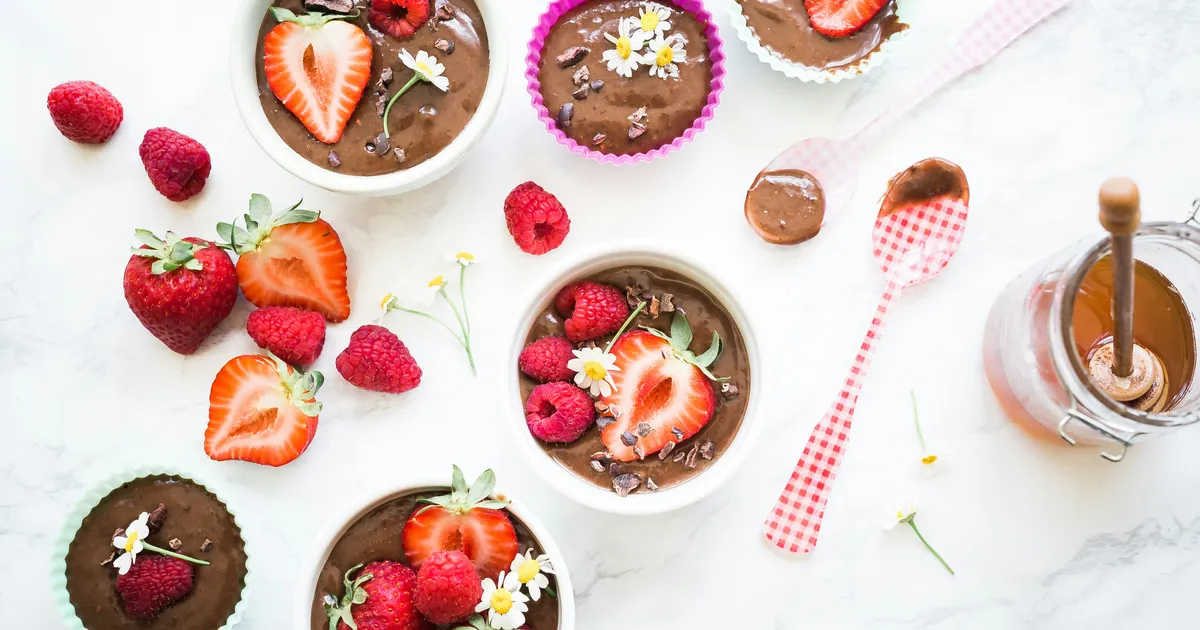

Ah, the sweet tooth. It’s a primal craving many of us know all too well. For years, I struggled with the post-dessert guilt, the energy crash, and the vague feeling of “unhealthiness” that came with indulging in conventional sweets. But what if I told you that you could enjoy truly satisfying, delicious treats without a single grain of refined sugar or flour? It sounds like a dream, but creating healthy desserts without sugar and flour has become my passion, and a cornerstone of my own wellness journey. This isn’t about deprivation; it’s about culinary creativity, smart ingredient swaps, and a profound understanding of how natural foods can come together to create something truly magical and nourishing. Let’s embark on this delightful adventure together.
Reimagining Dessert: Beyond Sugar and Flour
The traditional dessert paradigm, heavily reliant on processed sugars and refined flours, often leaves us feeling sluggish and contributes to a cycle of cravings. Shifting away from these staples isn’t just a dietary choice; it’s a profound act of self-care. When we eliminate these inflammatory ingredients, we open the door to stable blood sugar levels, improved gut health, and sustained energy, transforming what was once a fleeting pleasure into genuine nourishment. This approach allows our bodies to truly thrive, reducing the likelihood of chronic disease and fostering a sense of lightness and vitality that conventional sweets simply cannot offer. It’s about redefining indulgence on your own terms.
- Easy 3-Ingredient Almond Flour Peanut Butter Cookies: The Best Quick Recipe
- Easy Greek Yogurt Fruit Popsicles: A Refreshing Healthy Treat for Summer
- How to Bake a Decadent Flourless Dark Chocolate Cake: The Best Healthy Recipes
- Healthy Comfort Food: Easy Low-Calorie Dinner Recipes
- Kid-Approved Healthy Family Dinners: Easy Recipes Even Picky Eaters Will Love
Embracing healthy desserts without sugar and flour means tapping into the incredible bounty of whole foods. Think vibrant fruits, hearty nuts, potent seeds, and rich plant-based fats. These ingredients are packed with fiber, vitamins, minerals, and antioxidants, offering a cascade of benefits beyond just satisfying a craving. The natural sweetness from dates or ripe bananas, for instance, comes bundled with essential nutrients, unlike empty calories from white sugar. This holistic perspective ensures that every bite contributes positively to your overall well-being, making dessert a truly integral and guilt-free part of a balanced diet, even looking ahead to 2026.
Nature’s Sweeteners & Binders
When we talk about sweetness without refined sugar, nature provides an astonishing array of options. Dates, for example, are not just incredibly sweet but also rich in fiber, potassium, and magnesium, making them an ideal base for energy bars or caramel sauces. Ripe bananas offer a creamy texture and natural fructose, perfect for ‘nice cream’ or baked goods (when using flourless recipes). Maple syrup and raw honey, while still caloric, offer trace minerals and antioxidants, and are used in far smaller quantities than refined sugar, providing depth of flavor. Even fruits like berries and apples bring their unique sweet-tart profiles to the table, allowing for a nuanced sweetness that refined sugar simply cannot replicate.
Replacing flour requires a different kind of ingenuity, focusing on ingredients that provide structure and richness without the gluten or processed starches. Nuts and seeds are the champions here. Almond flour, while technically a flour, is simply ground almonds and acts as a fantastic base for many flourless cakes and cookies, offering healthy fats and protein. Chia seeds and ground flaxseeds are incredible binders, forming a gel when mixed with liquid, perfect for puddings or thickening agents. Avocados lend an unparalleled creaminess and healthy fats, while coconut butter or full-fat coconut milk can create rich, decadent textures, proving that a satisfying dessert doesn’t need traditional flour to hold its form.
No-Bake Wonders & Fruit-Forward Delights
The realm of no-bake desserts is a true paradise for anyone seeking healthy, sugar-free, and flour-free options. These creations often rely on the natural sweetness and binding properties of dates, nuts, and seeds, coming together in minutes without the need for an oven. Think of vibrant energy balls made with dried fruit, nuts, and cocoa powder, or luscious chia puddings layered with fresh berries and coconut cream. Raw cheesecakes, using a nut-date crust and a cashew-based filling, offer an incredibly rich and satisfying experience, proving that indulgence doesn’t require baking or processed ingredients. The simplicity and minimal cleanup make these options incredibly appealing for busy lifestyles.
Fruit-forward desserts elevate nature’s candy to a new level, transforming simple ingredients into sophisticated treats. Imagine grilled peaches with a sprinkle of cinnamon and a dollop of coconut yogurt, or baked apples stuffed with a mixture of chopped nuts, dates, and spices. Berry crumbles, topped with a crunchy mixture of oats (gluten-free, if preferred), nuts, and coconut oil, provide warmth and comfort without a hint of refined flour or sugar. These desserts celebrate the inherent flavors and textures of fruit, allowing their natural sweetness to shine through, often enhanced by a touch of spice or a healthy fat, making them both delicious and incredibly wholesome. It’s a wonderful way to enjoy seasonal produce.
Decadent Avocado Mousse: A Game Changer
One of my absolute favorite discoveries in the world of healthy desserts without sugar and flour is the avocado mousse. It sounds unusual, I know, but trust me on this. Ripe avocados, when blended with unsweetened cocoa powder, a natural sweetener like a few dates or a touch of stevia, and a splash of plant milk, transform into an incredibly silky, rich, and deeply satisfying chocolate mousse. The avocado provides an unparalleled creamy texture and healthy monounsaturated fats, while its flavor completely disappears under the chocolate. It’s a nutrient-dense treat that feels utterly luxurious, proving that some of the most unlikely ingredients can create culinary magic. You can find many variations of this recipe on reputable health food blogs like EatingWell.com.
The Art of Texture and Flavor Pairing
Creating truly memorable healthy desserts without sugar and flour isn’t just about swapping ingredients; it’s about mastering the art of texture and flavor pairing. Without the familiar chew of flour or the crystal crunch of sugar, we must consciously build layers of sensation. Think about combining the creamy richness of an avocado-based chocolate pudding with the satisfying crunch of toasted pecans or cacao nibs. Pair the soft, yielding sweetness of a date-sweetened energy ball with the tart burst of fresh raspberries. These contrasts are what elevate a simple sweet treat into a sophisticated dessert experience, engaging all your senses and preventing palate fatigue.
Flavor depth is equally crucial. Spices like cinnamon, cardamom, nutmeg, and ginger add warmth and complexity, enhancing natural sweetness without adding a single gram of sugar. A hint of vanilla extract or almond extract can round out flavors beautifully. Don’t shy away from a pinch of sea salt, which paradoxically amplifies sweetness and balances richer notes, particularly in chocolate-based desserts. A touch of citrus zest, like orange or lemon, can provide a bright counterpoint to heavier ingredients. By thoughtfully layering these elements, you can create desserts that are not only healthy but also incredibly delicious and deeply satisfying, making them a joy to prepare and consume.
Making it Stick: A Sustainable Sweet Tooth
Integrating these healthy dessert principles into your daily life is a journey, not a destination. It requires patience, experimentation, and a willingness to step outside your comfort zone. Start by identifying your favorite traditional desserts and then research how they can be reimagined without sugar and flour. Perhaps it’s a raw brownie or a fruit-sweetened crumble. Batch preparation can be a game-changer; making a large batch of energy balls or chia pudding at the beginning of the week ensures you always have a healthy option on hand when cravings strike. This proactive approach helps to avoid impulsive, less healthy choices, fostering consistency in your new habits.
Remember that even healthy fats and natural sugars still contain calories, so portion control remains important. Listen to your body’s cues and enjoy these treats mindfully. Over time, your palate will naturally adjust, finding the intense sweetness of refined sugar overwhelming and genuinely preferring the nuanced flavors of whole-food desserts. By 2026, I predict these innovative, nourishing treats will be commonplace, inspiring more people to embrace a sustainable approach to sweetness. This isn’t just about what you eat; it’s about cultivating a healthier relationship with food, empowering you to indulge wisely and deliciously, creating a positive ripple effect on your overall well-being, as highlighted by resources like Healthline.
Key Takeaways
- Embrace Whole Foods: Prioritize fruits, nuts, seeds, avocados, and natural plant-based fats as the foundation for your desserts, leveraging their inherent nutritional value and natural sweetness.
- Rethink Sweeteners: Move beyond refined sugar by utilizing dates, ripe bananas, fruit purees, and mindful amounts of natural alternatives like stevia or erythritol to achieve desired sweetness without the health drawbacks.
- Innovate with Texture: Compensate for the absence of flour by experimenting with ingredients like ground nuts, chia seeds, flaxseeds, and coconut products to create satisfying and diverse textures, from creamy to crunchy.
- Cultivate Mindful Indulgence: Enjoy these healthier treats in moderation, savoring their natural flavors and appreciating their nutritional benefits, making them a truly guilt-free and sustainable part of a balanced lifestyle.
Frequently Asked Questions
Are all “natural” sweeteners equally healthy for sugar-free desserts?
Not all natural sweeteners are created equal. While fruits like dates and bananas offer fiber and nutrients alongside their sweetness, concentrated natural sweeteners like maple syrup and honey are still forms of sugar, albeit with some trace minerals. Zero-calorie options like stevia, erythritol, and monk fruit are generally considered safe alternatives that don’t impact blood sugar, but it’s important to choose high-quality, pure versions and use them judiciously. Always read labels and understand the source.
How do I achieve satisfying textures without using traditional flour?
Achieving satisfying textures without flour involves a creative approach to ingredients. For binding and bulk, nut flours (like almond or cashew), ground seeds (chia, flax), and even pureed beans (like black beans in brownies) work wonders. For creaminess, avocados, full-fat coconut milk, and soaked cashews are excellent. Crunchy elements can come from toasted nuts, seeds, or cacao nibs. The key is to experiment with combinations that mimic the mouthfeel you desire.
Can I still “bake” desserts if I’m avoiding flour and sugar?
Absolutely, though the term “bake” might take on a slightly different meaning. Many recipes use nut flours (like almond or coconut flour) as a base, which are technically flour but are grain-free and rich in protein and fiber. You can also bake flourless items like dense chocolate tortes made with cocoa powder and eggs, or various fruit-based crumbles topped with nut and seed mixtures. The result is often denser and richer, but incredibly delicious and wholesome. Just search for “flourless” or “grain-free” baked goods.
Do I still need to worry about portion control with healthy, sugar-free, and flour-free desserts?
Yes, portion control remains important, even with healthy desserts. While these treats are made with nutrient-dense ingredients, many of them, particularly those rich in nuts, seeds, and healthy fats (like avocados or coconut products), are still calorie-dense. Enjoying them in mindful portions allows you to reap their nutritional benefits and satisfy your cravings without overconsuming calories, which is crucial for maintaining overall health and weight management.
Conclusion
Embracing healthy desserts without sugar and flour is more than just a diet trend; it’s a delicious revolution that empowers you to indulge intelligently. By tapping into nature’s pantry and rethinking traditional ingredients, you unlock a world of vibrant flavors and satisfying textures that nourish your body and delight your palate. This journey towards mindful sweetness is incredibly rewarding, proving that true indulgence lies not in deprivation, but in making choices that genuinely support your well-being. So, go ahead, get creative in the kitchen, and savor every wholesome bite!