

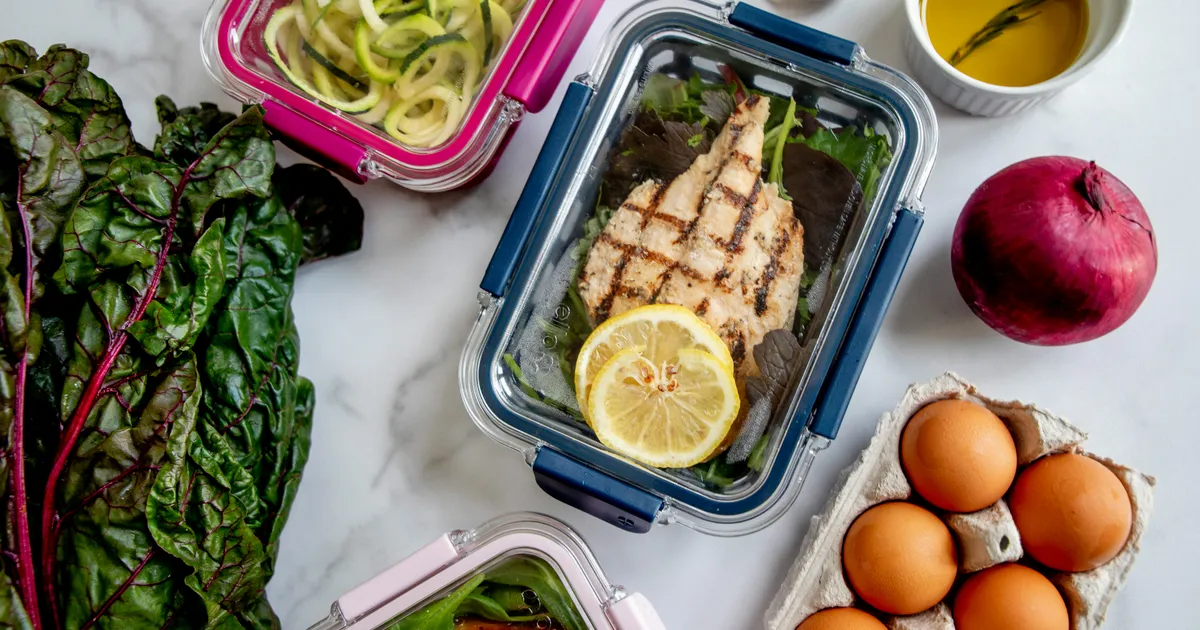

After years of struggling with yo-yo dieting and the endless cycle of restrictive eating followed by inevitable binges, I discovered a game-changing strategy that genuinely transformed my relationship with food and my body: meal prepping. It wasn’t some magic pill or extreme diet; it was simply a methodical approach to planning and preparing my meals in advance. For anyone embarking on a weight loss journey, especially beginners, diving into healthy meal prep recipes for weight loss beginners can feel daunting, but trust me, it’s the most empowering step you can take. It removes the daily guesswork, curbs impulsive unhealthy choices, and sets you up for consistent success, making healthy eating an effortless default rather than a constant battle.
Why Meal Prep is Your Weight Loss Superpower
One of the biggest silent saboteurs of any weight loss effort is decision fatigue. Imagine coming home from a long, tiring day, hungry and faced with the monumental task of deciding what to cook, then actually cooking it. It’s in these moments of low willpower that takeout menus suddenly look incredibly appealing, derailing even the best intentions. Meal prepping eliminates this daily struggle entirely. By dedicating a few hours once or twice a week, you ensure that nutritious, portion-controlled meals are readily available, taking the stress out of eating healthily and making it an automatic, sustainable choice.
- The Guide to Swapping Refined Carbs for High-Fiber Alternatives for Better Energy
- 7 Best Nutrient-Dense Smoothie Recipes for Sustained Midday Energy
- The Guide to Incorporating Fermented Foods for Optimal Gut Health
- Balanced Macro Meal Prep: Easy Recipes for Clean Eating Beginners
- Gut-Friendly Probiotic Recipes: Homemade Solutions for Better Digestion
Beyond convenience, meal prep offers unparalleled control over your nutrition. When you prepare your own food, you know exactly what ingredients are going into your body – no hidden sugars, excessive sodium, or unhealthy fats. This transparency is crucial for weight loss, allowing you to accurately track macronutrients and calorie intake if you choose, or simply ensure you’re getting a balanced plate of protein, complex carbohydrates, and healthy fats. It also cultivates a mindful approach to eating, encouraging you to think about food as fuel and nourishment rather than just a quick fix for hunger or a reward for a tough day. This proactive approach sets a solid foundation for long-term success well into 2026.
The Foundational Principles for Beginners
Starting your meal prep journey doesn’t require gourmet cooking skills or exotic ingredients; it’s about embracing simplicity and balance. Focus on building meals around lean protein sources like chicken breast, fish, tofu, or lentils, which are crucial for satiety and muscle preservation during weight loss. Pair these with complex carbohydrates such as brown rice, quinoa, sweet potatoes, or whole-wheat pasta to provide sustained energy. Don’t forget healthy fats from avocados, nuts, seeds, or olive oil, which are vital for hormone function and nutrient absorption. A balanced plate ensures you feel full and satisfied, preventing cravings later on.
Variety is key to preventing boredom and ensuring a broad spectrum of nutrients. While it’s tempting to prep the same meal for five days straight, try to mix it up. Perhaps prepare two different main dishes or vary your side vegetables throughout the week. Incorporate a rainbow of vegetables – spinach, broccoli, bell peppers, carrots – to maximize vitamins and minerals. The goal isn’t just to eat less, but to eat better, making every calorie count nutritionally. Remember, even small changes in your diet can lead to significant improvements in energy levels and overall well-being, paving the way for consistent progress.
Mastering Portion Control
One of the most powerful aspects of meal prepping for weight loss, especially for beginners, is the inherent practice of portion control. Before you even sit down to eat, your meal is already measured out into appropriate servings. This proactive approach removes the temptation to overeat, which often happens when serving from communal dishes or simply eyeballing quantities. Using food scales and measuring cups during your prep time ensures accuracy, and over time, you’ll develop a much better intuitive understanding of what a healthy portion actually looks like.
Essential Tools and Pantry Staples
You don’t need a professional kitchen to become a meal prep pro. Start with the basics: a good set of airtight, microwave-safe containers (glass is preferred for durability and ease of cleaning), a sharp chef’s knife, and a sturdy cutting board. A large sheet pan for roasting vegetables and proteins simultaneously can be a huge time-saver. Consider investing in a slow cooker or instant pot for easy batch cooking of stews, chilis, or shredded chicken. These simple tools will streamline your process and make meal prepping feel less like a chore and more like an efficient culinary session.
Stocking a smart pantry is just as important as having the right tools. Keep a supply of whole grains like quinoa, brown rice, and oats. Canned goods such as black beans, chickpeas, and diced tomatoes are excellent, versatile additions. Don’t underestimate the power of frozen vegetables and fruits – they’re just as nutritious as fresh and last much longer, reducing food waste. A variety of dried herbs and spices will elevate your healthy meals from bland to brilliant without adding extra calories. For more insights on healthy pantry stocking, the CDC offers excellent guidelines on building a healthier diet.
Simple, Delicious Recipes to Start With
For beginners, the key is to choose recipes that are straightforward, forgiving, and don’t require too many steps or obscure ingredients. Think ‘bowl’ meals: start with a base of brown rice or quinoa, add a lean protein like baked chicken or roasted chickpeas, and top with plenty of roasted or steamed vegetables. Sheet pan meals are another fantastic option – simply toss protein and veggies with olive oil and seasonings, then roast on one pan until cooked. Simple salads with homemade vinaigrettes and pre-cooked protein are also excellent for lunches. Focus on recipes that can be easily scaled up to yield multiple servings.
Don’t be afraid to experiment with flavors and seasonings to keep things interesting. A simple chicken and veggie bowl can taste completely different with a switch from Italian herbs to a Mexican-inspired chili-lime seasoning, or an Asian-style soy-ginger marinade. Batch cook components rather than full meals if you prefer more flexibility; for instance, cook a large batch of chicken, roast a tray of sweet potatoes, and chop a variety of greens. Then, mix and match these components throughout the week to create diverse meals. Websites like EatingWell provide a treasure trove of healthy, beginner-friendly meal prep ideas.
Making Meal Prep a Sustainable Habit
The journey to weight loss is a marathon, not a sprint, and consistency is paramount. To make meal prep a sustainable habit, start small. Don’t try to prep every single meal for the entire week on your first attempt. Begin by prepping just your lunches, or perhaps three dinners. Once you feel comfortable with that, gradually expand. Schedule a specific time for meal prepping each week, treating it like any other important appointment. Whether it’s Sunday afternoon or Wednesday evening, having a dedicated slot makes it more likely you’ll stick to it. This regular practice will cement your healthy eating habits for 2026 and beyond.
Don’t be discouraged by occasional slip-ups or weeks where meal prep doesn’t happen. Life happens, and flexibility is key. If you miss a prep day, simply get back on track the next opportunity you have. Celebrate your successes, no matter how small – whether it’s sticking to your prepped meals for three days or successfully trying a new healthy recipe. The goal is progress, not perfection. Remember why you started and focus on the positive impact meal prepping has on your energy, mood, and overall weight loss journey. Each prepped meal is a step towards a healthier, happier you, and a testament to your commitment.
Key Takeaways
- Eliminate Decision Fatigue: Meal prep removes the daily stress of choosing what to eat, making healthy choices automatic and reducing the likelihood of impulsive, unhealthy decisions.
- Master Portion Control: Pre-portioned meals are crucial for weight loss, ensuring you consume appropriate serving sizes without needing to guess or rely on willpower during hunger.
- Embrace Simplicity and Balance: Start with easy recipes focused on lean protein, complex carbs, and plenty of vegetables. Gradually increase variety to keep meals interesting and nutrient-rich.
- Consistency Over Perfection: Make meal prep a regular, scheduled habit, but don’t get discouraged by occasional missed weeks. The long-term benefits come from consistently returning to the practice.
Frequently Asked Questions
How long do prepped meals typically last in the refrigerator?
Most properly stored, cooked meal prep recipes will last safely in the refrigerator for 3-4 days. For longer storage, many meals, especially those with sturdy ingredients like grains, cooked meats, and roasted vegetables, can be frozen for up to 2-3 months. Always ensure your containers are airtight to maintain freshness and prevent freezer burn.
What if I don’t like cooking or have limited time?
Meal prepping can still work for you! Focus on no-cook or minimal-cook options like overnight oats, salads with pre-cooked chicken from the grocery store, or simple sheet pan meals that require little hands-on time. Batch cooking larger quantities of staple ingredients (like rice or roasted veggies) rather than full meals can also save time and offer flexibility. Even 30 minutes of prep can make a huge difference.
Can I eat the same thing every day for weight loss?
While eating the same meal daily might simplify things, it can lead to nutritional deficiencies over time and often results in boredom, making it hard to stick to. Aim for variety in your ingredients each week to ensure you’re getting a broad spectrum of vitamins, minerals, and macronutrients. You can achieve this by rotating recipes or by prepping versatile components that can be mixed and matched.
What about healthy snacks for meal prep?
Snacks are a vital part of a healthy weight loss plan. Incorporate easily prepped snacks like portioned nuts, fruit, vegetable sticks with hummus, hard-boiled eggs, or Greek yogurt. Having these ready prevents reaching for processed, high-calorie options when hunger strikes between meals. Consider prepping a few snack options alongside your main meals.
Conclusion
Embarking on a weight loss journey can feel overwhelming, but healthy meal prep recipes for weight loss beginners offer a clear, actionable path to success. By taking control of your food choices, planning ahead, and embracing simplicity, you empower yourself to make consistent, nutritious decisions. It’s more than just cooking; it’s an investment in your health, energy, and long-term well-being. Start small, be patient with yourself, and watch as meal prep transforms not only your plate but your entire outlook on healthy living.