

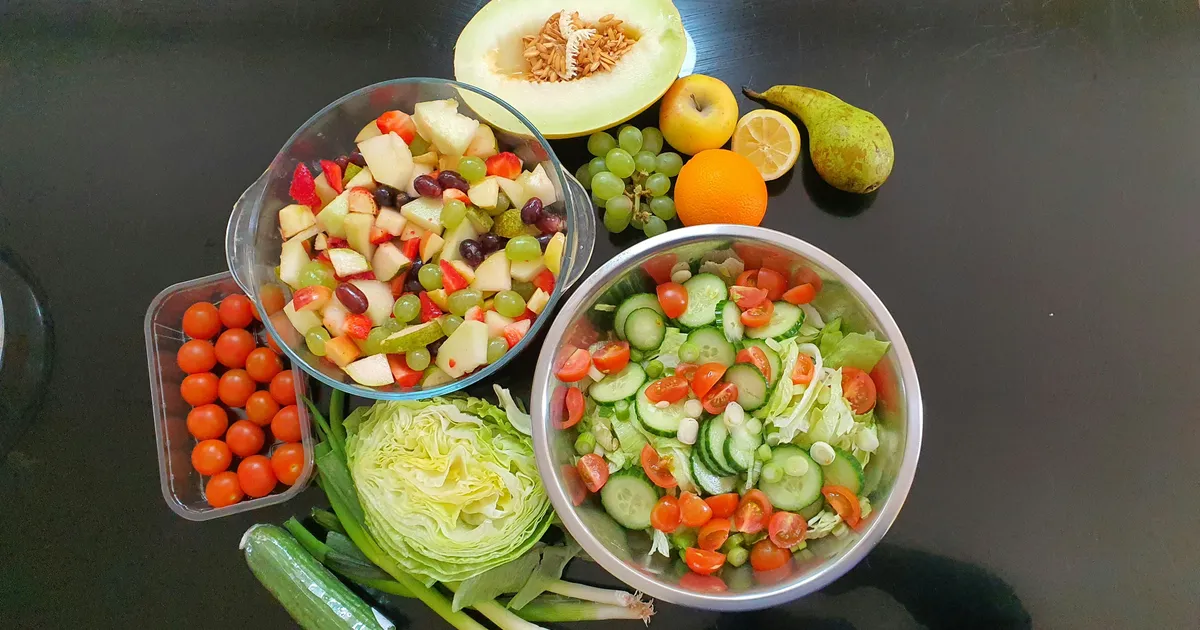

I remember a client once telling me, “Eating healthy feels like a full-time job!” And honestly, I get it. The sheer thought of planning, shopping, and cooking every single meal, especially when you’re just starting your weight loss journey, can be utterly overwhelming. It’s precisely why I’ve become such a staunch advocate for weekly meal prep ideas for weight loss beginners. This isn’t just about saving time; it’s about reclaiming control over your nutrition, making mindful choices effortless, and setting yourself up for consistent success without the daily decision fatigue. Let’s dive into how this powerful habit can transform your approach to healthy eating, making your weight loss goals feel genuinely achievable.
Why Meal Prep is Your Weight Loss Superpower
In my decade of experience, the biggest hurdle to consistent weight loss isn’t lack of desire, but lack of preparation. When hunger strikes and you haven’t thought ahead, the path of least resistance often leads to less-than-ideal choices – takeout menus, processed snacks, or oversized portions. Meal prepping eliminates this decision fatigue. By dedicating a few hours once a week, you build a fortress against impulsive eating, ensuring that nutritious, perfectly portioned meals are always within arm’s reach. It’s about proactive planning, not reactive scrambling, and it makes all the difference in staying on track with your caloric goals.
- The Guide to Bulk Seasonal Produce: Save Money and Eat Healthier This Year
- 10 Genius Ways to Transform Leftovers Into Budget-Friendly Lunches
- How to Master Monthly Freezer Meal Planning: Save Time and Cut Grocery Costs
- Batch Cooking Like a Pro: Freeze & Reheat Meals Without Losing Flavor
- Extreme Budget Meal Planning: Full Week Guide Under Tight Income
Beyond preventing poor choices, meal prepping cultivates a deeper awareness of what you’re actually consuming. You become intimately familiar with ingredients, portion sizes, and nutritional values. This hands-on involvement fosters a healthier relationship with food, moving away from restrictive mindsets towards informed self-care. It’s empowering to know exactly what fuels your body, leading to sustained energy levels and better satiety throughout the day. This foundational habit is truly transformative, setting you up for long-term dietary success far beyond the initial weight loss phase.
Essential Tools and Pantry Staples
You don’t need a gourmet kitchen to start meal prepping, but a few key items will make the process much smoother. Quality airtight containers are non-negotiable; glass options are excellent for reheating and durability, while BPA-free plastic is great for portability. A good set of knives, a large cutting board, and a reliable food scale are also incredibly helpful for portion control and efficient prep. Think about a slow cooker or instant pot too, as they can be game-changers for batch cooking proteins and complex carbohydrates with minimal effort.
Stocking your pantry with foundational staples is equally important. Keep a supply of whole grains like quinoa, brown rice, and whole wheat pasta. Canned goods such as chickpeas, black beans, and diced tomatoes are versatile and long-lasting. Don’t forget healthy fats like olive oil and nuts, and a variety of dried herbs and spices to elevate flavors without adding extra calories. Having these items on hand means fewer last-minute grocery runs and more time focusing on assembling delicious, healthy meals for the week ahead.
Building a Balanced Meal: The Formula
Successful weight loss meal prep hinges on understanding how to construct balanced plates. I always recommend following the “plate method” as a simple visual guide: half your plate should be non-starchy vegetables, one-quarter lean protein, and one-quarter complex carbohydrates. This ensures you’re getting ample fiber for satiety, protein for muscle preservation and fullness, and sustained energy without excess calories. Focus on a variety of colors in your vegetables to maximize nutrient intake and keep meals interesting.
Don’t Forget Flavor!
Healthy eating doesn’t mean bland eating. In fact, injecting robust flavors is crucial for meal prep longevity. Experiment with a wide array of spices, herbs, and low-calorie condiments like mustard, vinegar, and hot sauces. Marinades can transform plain chicken or fish, and roasting vegetables with a drizzle of olive oil, garlic powder, and paprika brings out their natural sweetness. Fresh lemon juice, lime juice, and zest are also fantastic for brightening flavors without adding significant calories. Don’t be afraid to get creative; a delicious meal is a sustainable meal.
Smart Ingredient Choices & Swaps
When selecting ingredients, prioritize nutrient density and satiety. Lean proteins like chicken breast, turkey, fish, and tofu are excellent choices. For carbohydrates, opt for whole grains, sweet potatoes, and legumes over refined options. Load up on a variety of non-starchy vegetables such as broccoli, bell peppers, spinach, and zucchini, as they provide volume and fiber with minimal calories. Fruits like berries and apples are great for sweet cravings and snacks. For more guidance on specific nutrient values, the USDA FoodData Central database is an invaluable resource.
Thinking about smart swaps can significantly impact your caloric intake. For instance, instead of white rice, choose quinoa or cauliflower rice. Swap creamy dressings for vinaigrettes or a squeeze of lemon. Use Greek yogurt as a sour cream substitute, or swap regular pasta for whole wheat or lentil pasta. Even small changes, like using an air fryer instead of deep frying, can make a huge difference over time. These conscious decisions accumulate, making your weekly meal prep ideas for weight loss beginners more effective and enjoyable throughout 2026.
Batch Cooking Strategies & Storage
The secret to efficient meal prep lies in batch cooking. Dedicate a specific time each week, perhaps a Sunday afternoon, to cook large quantities of staple ingredients. Roast a big tray of vegetables, bake several chicken breasts, cook a pot of quinoa, and hard-boil a dozen eggs. Once these components are ready, you can mix and match them into different meals throughout the week, preventing monotony. This modular approach keeps things fresh and exciting, ensuring you won’t get bored of your healthy meals.
Proper storage is paramount for food safety and freshness. Allow all cooked food to cool completely before portioning into airtight containers. Store meals in the refrigerator for up to 3-4 days. For longer storage, many prepped components like cooked grains, proteins, and even some stews freeze beautifully for up to 2-3 months. Always label containers with the date to keep track. For comprehensive food safety guidelines, the Food Safety and Inspection Service offers excellent advice, helping you maintain a healthy and safe meal prep routine throughout 2026 and beyond.
Key Takeaways
- Start Small and Build Momentum: Don’t try to prep every single meal for the entire week on your first attempt. Begin with lunches or dinners, and gradually expand as you gain confidence and efficiency. Consistency trumps perfection.
- Prioritize Protein and Fiber: Ensure each meal includes a lean protein source and plenty of fiber-rich vegetables and whole grains. This combination is key for satiety, managing hunger, and supporting muscle mass during weight loss.
- Embrace Variety and Flavor: Prevent “diet fatigue” by rotating ingredients, experimenting with different spices and cooking methods. Healthy food can and should be delicious to ensure long-term adherence.
- Invest in Quality Storage: Good airtight containers are a meal prep game-changer. They keep food fresh, prevent spoilage, and make grab-and-go meals incredibly convenient, supporting your weight loss goals seamlessly.
Frequently Asked Questions
How long does meal prep food stay fresh?
Most cooked and properly stored meal prep items, when refrigerated, are safe and delicious for 3-4 days. Some ingredients, like cooked grains or hard-boiled eggs, might last a day or two longer. For anything beyond four days, it’s best to freeze portions immediately after cooling to maintain quality and safety.
What if I get bored of eating the same meals?
Variety is key to sustainable meal prep! Instead of prepping exact meals, try preparing individual components (e.g., roasted chicken, quinoa, steamed broccoli) that can be mixed and matched differently each day. Use various spices, sauces, or add-ins like fresh herbs, nuts, or seeds to create new flavor profiles without extra cooking.
Is meal prepping expensive?
On the contrary, meal prepping often saves money in the long run! By planning your meals, you reduce impulse buys, eat out less frequently, and can take advantage of sales on bulk ingredients. Cooking at home is almost always more cost-effective than buying pre-made meals or dining at restaurants, especially when focusing on whole, unprocessed foods.
How do I calculate portions for weight loss?
For beginners, a food scale is an excellent tool for accurate portioning. Focus on recommended serving sizes for proteins (e.g., 4-6 oz cooked), complex carbs (e.g., 1/2 cup cooked), and healthy fats (e.g., 1 tbsp oil, 1/4 cup nuts). The “plate method” (half veggies, quarter protein, quarter carb) is also a fantastic visual guide to ensure balanced, appropriate portions without meticulous counting. Consulting a registered dietitian for personalized advice is always a great option, as recommended by organizations like the Academy of Nutrition and Dietetics.
Conclusion
Embracing weekly meal prep ideas for weight loss beginners isn’t just about cooking; it’s about adopting a lifestyle that prioritizes your health and well-being. It empowers you to make intentional choices, save precious time, and develop a sustainable approach to nutrition. Start small, stay consistent, and remember that every prepped meal is a step closer to your goals. You have the power to transform your relationship with food and achieve lasting weight loss success, making healthy eating a truly effortless and enjoyable part of your routine.